Let's talk about what nobody mentions
Pelvic floor tension is wildly common. It's also wildly underdiagnosed. Most people don't realize their pelvic floor is even tight until they try to have an orgasm and nothing happens, or pain shows up where pleasure used to be. Then they panic and assume their body is broken.
It's not broken. It's just holding.
Your pelvic floor is a hammock of muscles that support your bladder, uterus, and bowel. When you're stressed, anxious, or recovering from trauma, these muscles clench and stay clenched. They're doing what they're designed to do. But when they won't relax, pleasure becomes difficult or impossible.
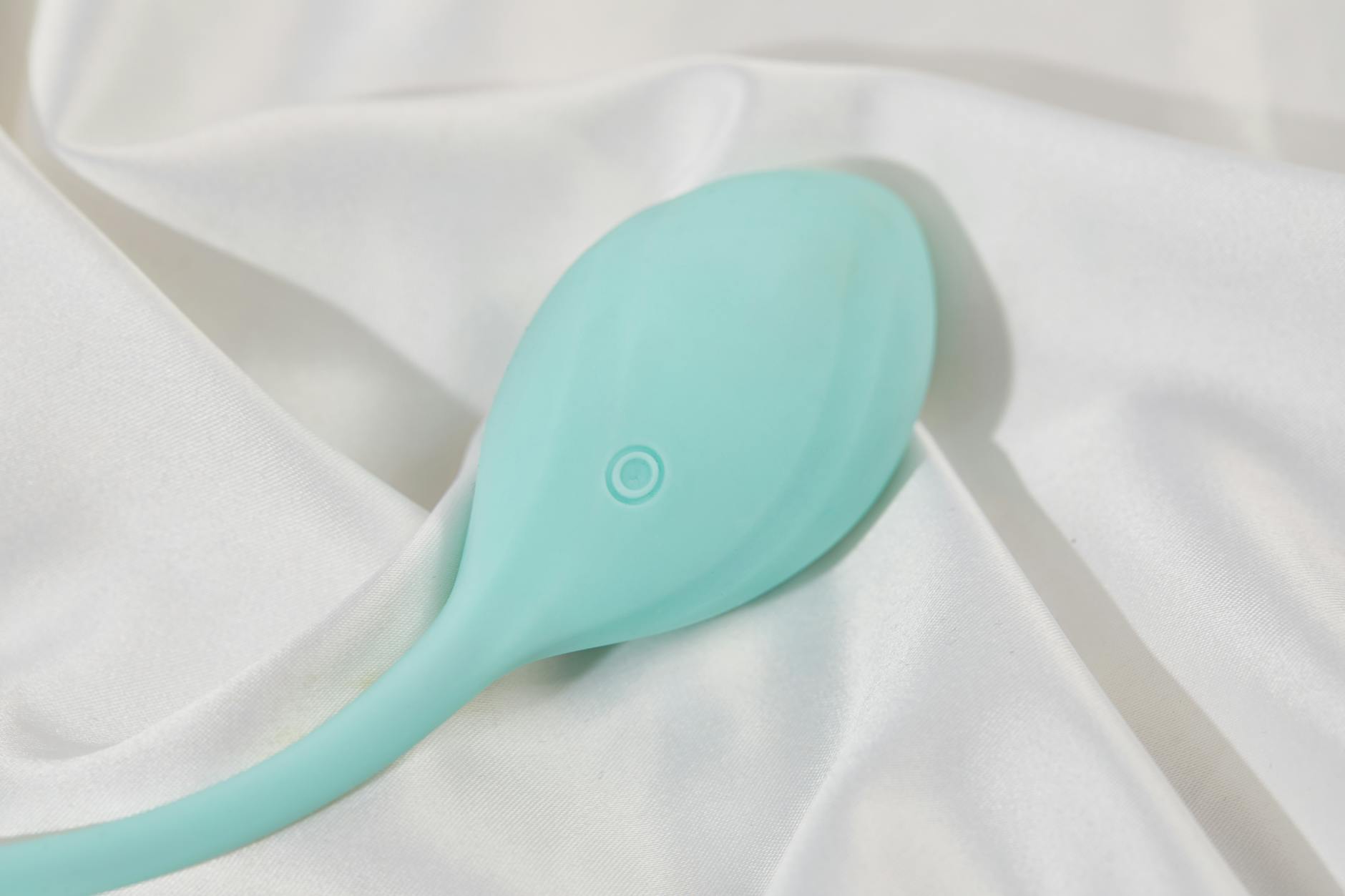
Here's the thing: lemon clitoral vibrators aren't a cure for pelvic floor dysfunction. But they can be a genuinely useful tool for gently retraining your nervous system to recognize and release that tightness. I'm going to walk you through how, and when to call in a physical therapist instead.
How pelvic floor tension actually blocks pleasure
Your clitoris has eight thousand nerve endings. When your pelvic floor is tight, the signal from your vibrator to your brain gets muted. It's like trying to hear someone whisper in a noisy room. The stimulation is there, but your body can't quite process it.
Tight pelvic floor muscles also reduce blood flow to the clitoris and vulva. Without that engorgement, arousal stalls. Your body can't mount the physiological response it needs to reach orgasm. Some people describe it as numbness. Others say the vibrator feels like nothing, or that sensation is faint and distant.
Pain is another signature sign. Penetration, even with fingers, can feel sharp or aching. Sometimes the pain is centered, sometimes it radiates. Either way, your body is telling you something is held too tight.
Why lemon vibrators can help release that tension
The clitoral suction mechanism in lemon vibrators works differently than traditional vibration. Suction gently engages the clitoral tissue without the aggressive pressure that a tight pelvic floor often resists. This gentleness matters.
When you use a lemon vibrator at low intensity, you're essentially signaling to your nervous system that it's safe to receive sensation. You're training your body to notice pleasure without defending against it. Over time, that signal accumulates.
Think of it like exposure therapy for your pelvic floor. You're teaching those muscles that stimulation doesn't equal danger. With repetition and intentionality, they gradually learn to relax.
The other piece: using a lemon clitoral vibrator gives you control. You choose the intensity, the rhythm, the timing. That agency matters hugely when you're rebuilding trust in your body after pelvic floor tension has made pleasure feel unpredictable or scary.
The practical steps to use one safely
Start with the lowest setting. Seriously. On a Lem vibrator, that's level one. Spend entire sessions at that setting, even if it feels almost nothing. You're rewiring your nervous system, not chasing orgasm. Orgasm might not come for a while, and that's fine.
Begin with external stimulation only. No internal penetration. Your pelvic floor doesn't need another trigger to tighten right now. Just the suction on the external clitoris is enough.
Session length matters. Aim for fifteen to twenty minutes, even if pleasure stays mild. Consistency beats intensity. Daily or every other day is better than sporadic longer sessions. Your nervous system learns through repetition.
Lubrication helps, even though the suction creates its own seal. A little water-based lubricant on the tissue around the clitoris reduces any friction and signals safety to your body. It also feels intentional, which helps psychologically.
Set expectations: the first few weeks might feel like nothing is happening. Your body is quiet. You might not orgasm. That's actually the point. You're breaking the pattern where your pelvic floor tightens in anticipation of the stimulation you're about to receive.
Low intensity, consistent practice, external only, patience with yourself. That's the formula.
When pelvic floor tension needs a specialist
Here's where I have to be direct: if you have chronic pelvic pain, pain with penetration, or your pelvic floor won't relax even with low-intensity clitoral vibrators, see a pelvic floor physical therapist. Not an OB-GYN. Not a general PT. A specialist trained in pelvic floor dysfunction.
They can assess whether your muscles are truly too tight or if something else is happening. They can teach you manual release techniques, breathing patterns, and stretches that work far better than self-directed vibrator use alone.
Pelvic floor physical therapy is evidence-based. It works. And for moderate to severe tension, it's the right foundation. A lemon vibrator can support that work, but it shouldn't replace it.
Red flags that mean see someone now: sharp pain that doesn't improve with low-intensity use, pain that radiates to your lower back or thighs, persistent urinary urgency or frequency alongside pelvic tightness, or pain that started after an injury or surgery.
The nervous system piece nobody talks about
Pelvic floor tension almost always has a nervous system story. Stress, anxiety, relationship conflict, past sexual trauma, even repetitive physical strain (like sitting all day) can keep your pelvic floor in a low-grade clench.
This is why using a lemon vibrator alone might help mild tightness but won't solve it if your nervous system is constantly in threat mode. You can't manually relax your way out of a systemic stress pattern.
If you're dealing with significant anxiety, relationship tension, or a trauma history, I'd recommend working with a therapist alongside pelvic floor PT and your vibrator practice. These things talk to each other. Fixing the pelvic floor without addressing the nervous system that created it means the tension comes back.
What happens when it works
When pelvic floor tension starts to release, sensation comes back first. Not orgasm necessarily, but feeling. The vibrator becomes distinct. You notice where the suction is working. You might feel a gentle pulse or contraction happening in response.
After more time, arousal returns. Your body starts to lubricate again. Engorgement comes back. These feel like small miracles when you've been numb for months.
Orgasms come last, and they're often different than they were before the tension started. Sometimes gentler, sometimes more full-body. Your nervous system has learned something new about how to respond to pleasure.
The timeline is individual. For some people, noticeable shifts appear in three to four weeks. For others, it takes two or three months of consistent practice. The key variable is how long your pelvic floor has been tight and how much nervous system work you're doing alongside the vibrator practice.
FAQ: Common questions about lemon vibrators and pelvic floor health
Can I use a regular vibrator if my pelvic floor is tight?
You can, but lemon clitoral vibrators are gentler. The suction mechanism doesn't require the direct, continuous pressure of traditional vibration, which can actually trigger more tightness in an already defended pelvic floor. If you want to explore whether your tension responds to stimulation, a lem vibrator is the smarter starting point.
How long before I feel a difference?
Two to three weeks of daily or near-daily use at low intensity before you notice sensation returning. Orgasm can take four to twelve weeks, depending on severity and whether you're also addressing the nervous system piece. Patience is the whole game here.
What if I don't have pain, just numbness?
Numbness is often the first sign of pelvic floor tension. Your nervous system is muting sensation as a protective mechanism. Start with the same low-intensity, consistent approach. You're teaching your body it's safe to feel again.
Should I stretch my pelvic floor or try to relax it during use?
Don't actively relax it while stimulating. That's cognitive overload. Just notice what's happening without trying to control it. Between sessions, yes, do gentle stretching and breathing work. But during vibrator use, your job is to show up and let sensation register.
Does this work if my tension is trauma-related?
It can help, but it won't heal the trauma. A lemon vibrator is a tool for retraining your body's response to sensation, not a substitute for trauma therapy. If your pelvic floor tension is tied to past sexual trauma, work with a therapist trained in somatic or trauma-informed approaches alongside the physical practice.
Can my partner use a lemon vibrator on me if I have pelvic floor tension?
Absolutely, if you trust them and if they understand the goal is gentle, low-intensity, consistent exposure. The extra benefit is that having someone else control it removes the pressure you might put on yourself. But make sure you communicate clearly about intensity, and start at the lowest level.
The bigger picture
Your pelvic floor doesn't tighten for no reason. It's responding to something. A lemon vibrator can help your body learn that pleasure is safe again. But the real work is figuring out why your nervous system went into defense mode in the first place, and what needs to shift so it feels safe to come back out.
If you're curious about whether pelvic floor tension is part of your story, start with a pelvic floor PT assessment. From there, a lemon clitoral vibrator becomes a meaningful tool in the process of rebuilding sensation and pleasure on your own terms.
Your pleasure matters. And your body's need to protect itself matters too. The goal is finding the middle ground where both are honored.