Let's be real about what anxiety and depression do to desire
Anxiety floods your nervous system with cortisol. Depression numbs sensation from the inside out. Both conditions rewire how your body responds to touch, arousal, and pleasure. You're not broken. Your nervous system is doing exactly what it evolved to do: protect you. The problem is that protection includes shutting down pleasure pathways when it decides you're in danger. And right now, your brain thinks you're in danger, even if rationally you know you're not.
The part nobody tells you is that reconnecting with pleasure after anxiety or depression isn't the same as before. It's gentler. It requires different tools.
How depression and anxiety change physical sensation
When depression or anxiety takes hold, several things happen simultaneously. Your nervous system stays locked in a sympathetic state. Your libido flattens. Touch that normally feels good becomes either irritating or completely numb. Some people describe it as touching plastic instead of skin. Others say arousal feels impossible, like the signal never reaches their body at all.
Medication compounds this. SSRIs and other psych meds are lifesaving, but they often flatten sexual response. You're faced with an impossible choice. Do I keep the medication that's keeping me upright and accept the sexual side effects, or do I stop taking it and risk my mental health? The answer is almost always to keep the medication. But that doesn't mean pleasure is gone forever. It just means the pathway needs rewiring.
Here's what's actually happening neurologically. Your amygdala, the brain's alarm system, is hyperactive. Your prefrontal cortex, which handles pleasure and executive function, is underactive. The vagus nerve, which controls your relaxation response, isn't firing correctly. Touch sensations that require fine-tuned nerve response feel dull. You're not numb because your skin stopped working. You're numb because your brain isn't processing the signal the same way.
Why lemon vibrators work differently during recovery
Most vibrators rely on rapid vibration to stimulate nerve endings. That works great when your nervous system is balanced. When it's dysregulated, rapid vibration can feel chaotic or overstimulating. You need something that builds sensation gradually and doesn't overwhelm.
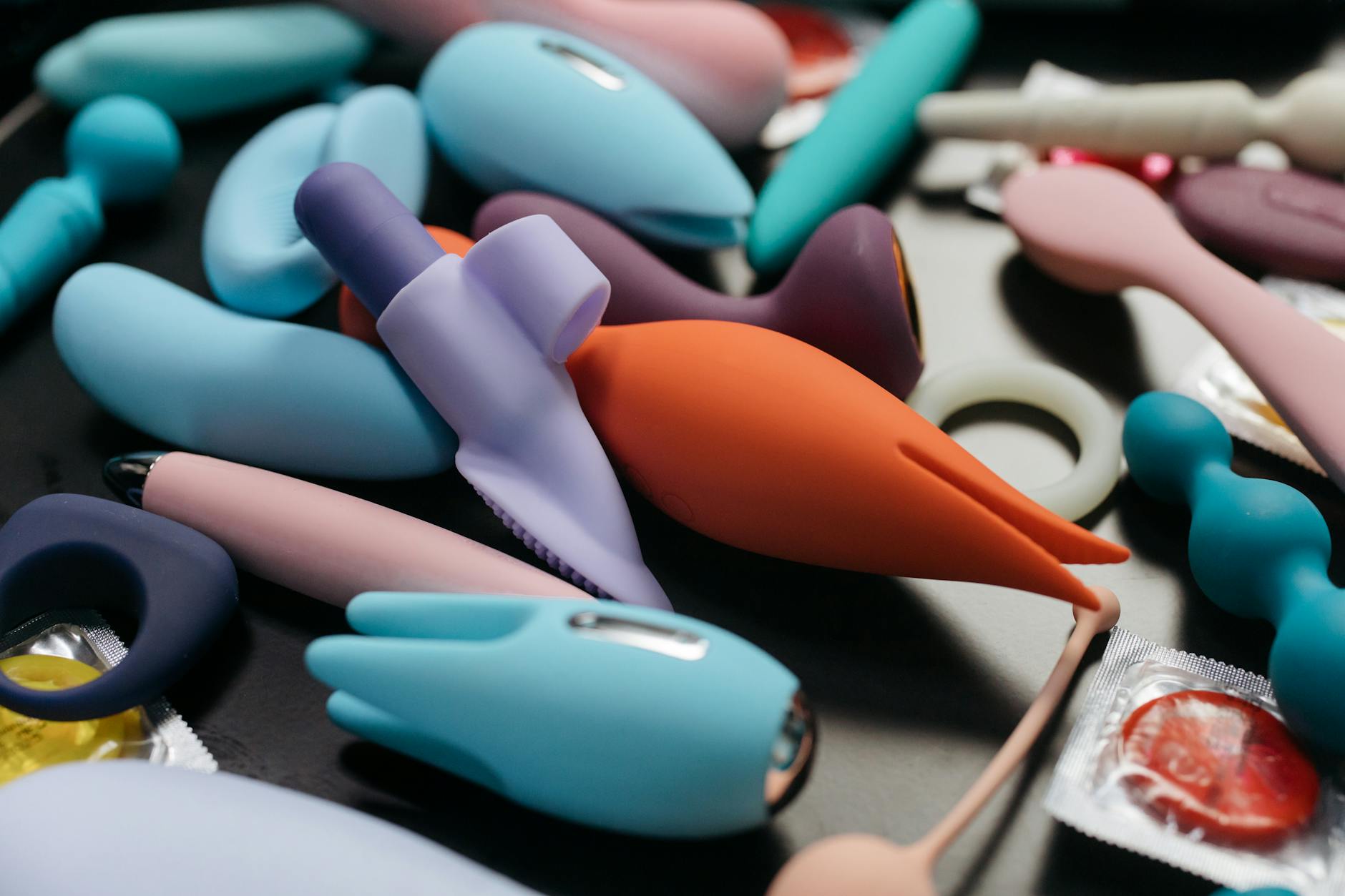
Lemon clitoral vibrators, like the Lem, work via air-suction technology instead of traditional buzzing. That's a huge difference for anxious or depressed nervous systems. Here's why.
Air-suction creates a gentle pulse that builds slowly. You start at a low pattern and intensity, and your body can respond without feeling rushed. There's no aggressive stimulation forcing a response that your nervous system isn't ready to give. Instead, the suction mimics the body's natural rhythms more closely. It's closer to how the body responds during slow, deliberate foreplay than it is to a traditional bullet vibrator.
For people rebuilding pleasure, this matters. Your nervous system needs permission to reactivate sensation at its own pace. A lemon sucker gives your body that control.
Starting slow when your baseline is flattened
If you've been living with depression or anxiety, your pleasure baseline is probably lower than you remember. You might be using Lem vibrators at intensity 1 or 2, patterns you'd normally skip entirely. That's not weakness. That's wisdom. Your nervous system has been in protection mode. Meeting it where it is, not where you think it should be, is how you rebuild.
Start with this: Lem vibrators have five patterns at five intensities. New users often jump to pattern 3 at intensity 4. If you're coming from depression or anxiety, try pattern 1 at intensity 1. Spend a week there. Not because it's a rule, but because your vagus nerve needs to remember how to relax into sensation. That usually takes time.
Use water-based lubricant even if your body is responding naturally. Anxiety and depression often come with tension in the pelvic floor. The muscles stay clenched as part of the protection response. Lubricant takes friction out of the equation, so you're not fighting tightness while also trying to rebuild arousal. It removes one variable, which matters when you're already managing a lot.
The mental side: permission and pressure
Here's what gets missed in most conversations about pleasure during mental illness. The physical is only half the problem. The mental side is that you've internalized the belief that you're broken. Depression whispers that you'll never feel good again. Anxiety tells you that pleasure is dangerous. Both are lies, but they feel true.
When you sit down with a lemon vibrator for the first time during recovery, you might not feel pleasure. You might feel frustration. You might feel nothing, which is sometimes worse. That's not a sign to give up. It's a sign you need gentleness. If you approach this as "I should be able to have an orgasm by now," you've already lost. Your nervous system hears the should and locks down harder.
Instead: I'm going to spend 15 minutes exploring sensation without any goal. No orgasm required. No specific outcome. Just checking in with my body and seeing what it can feel right now. That's it. Some sessions, that might be tingling. Some sessions, it's nothing. Both are data, not failure.
If you have a partner, this conversation matters too. Tell them: "I'm rebuilding my relationship with pleasure. Some days my body will respond. Some days it won't. Both are normal right now. I'm not broken, and neither are we." Partners often blame themselves or misinterpret low libido as rejection. Setting expectations prevents that spiral.
When to involve your doctor or therapist
Lemon vibrators and patience are powerful, but they're not a replacement for professional support. If you're experiencing depression or anxiety, you need a therapist and possibly a psychiatrist. If you're on medication causing sexual side effects, talk to your prescriber about timing (some meds work better if taken after sex rather than before), dose adjustments, or alternatives. These conversations feel awkward. Have them anyway.
If you're rebuilding after trauma, talk to a trauma-informed therapist before reintroducing pleasure tools. Sensation can trigger the nervous system unexpectedly. Having professional support makes the process safer. This isn't a failure. It's smart.
The timeline is yours, not a template
Some people rebuild pleasure in weeks. Others take months. Factors include how long you've been depressed, whether you're on medication, whether you're in therapy, your baseline nervous system sensitivity, and a dozen other variables. There is no timeline you're supposed to follow.
I've worked with clients who went from zero sensation to enthusiastic self-pleasure in six weeks. I've also worked with clients who took a year. Both were successful. Success wasn't about speed. It was about showing up consistently, without judgment, and letting their body reconnect at its own pace.
The Lem and other lemon clitoral vibrators are tools for that process. They're not magic. But they're gentler than traditional vibrators for people whose nervous systems are fragile. They're controllable, which matters when control is something depression has stolen from you. They're something you can use alone, on your own timeline, without pressure.
Rebuilding pleasure after anxiety or depression is possible. It's not the same as before. It's usually deeper, because you've had to be intentional about it. You've had to ask yourself what pleasure actually means to you, separate from performance or obligation. That clarity is worth the work.
People also ask
Can lemon vibrators help with depression-related numbness?
Yes, but slowly. Air-suction vibrators like the Lem can help wake up sensation without overwhelming a dysregulated nervous system. The key is starting at the lowest intensity and patterns, and not expecting results on any particular timeline. Numbness usually resolves gradually as your nervous system stabilizes, especially combined with therapy and possibly medication adjustment.
Is it normal to feel nothing during pleasure after anxiety?
Completely normal. Depression and anxiety dampen sensation deliberately, as a protective mechanism. This numbness is temporary. It usually begins to shift within weeks to months of consistent mental health treatment and gentle exploration. If you're not on medication, consider talking to a doctor about whether it would help. If you are on medication, the flatness might ease over time or with a different dose or timing.
Should I use lemon vibrators while on antidepressants?
Yes. Antidepressants are lifesaving, and side effects including sexual numbness are worth tolerating. Lemon suction vibrators can sometimes help bypass some sexual side effects because they work differently than traditional vibrators. They don't replace your medication. They're a tool to help you explore pleasure within whatever baseline your medication creates.
How long does it take to feel pleasure again after depression?
It varies widely. Some people notice shifts in weeks. Others take months. Factors include medication, therapy progress, stress levels, and how long you've been depressed. There's no standard timeline. Progress isn't linear either. You might feel good one week and numb the next. That's your nervous system recalibrating, not failure.
Can I use lemon clitoral vibrators with my partner if I'm anxious about sex?
Absolutely. Using them solo first often helps. Once you've rebuilt a sense of your own pleasure and body, bringing a partner in becomes less about performing and more about sharing. Communication is critical. Tell your partner what you need. Low pressure exploration is fine. High-expectation sex probably isn't right now. That changes as your nervous system stabilizes.
What if lemon vibrators still feel overstimulating?
That's information. It means your nervous system needs even more time, or that you're using it when you're still in a stressed state. Try again when you're already somewhat relaxed. Warm up your nervous system first with breathing exercises or a bath. Some people need weeks at the lowest setting before moving up. That's not slow progress. That's exactly the right pace for your body.