Your pleasure blueprint changes, but it doesn't disappear
Honestly, the biggest myth I encounter is that sexual pleasure has an expiration date. It doesn't. What does shift is how pleasure moves through your body, what triggers it, and what intensity feels good. These aren't failures. They're recalibrations.
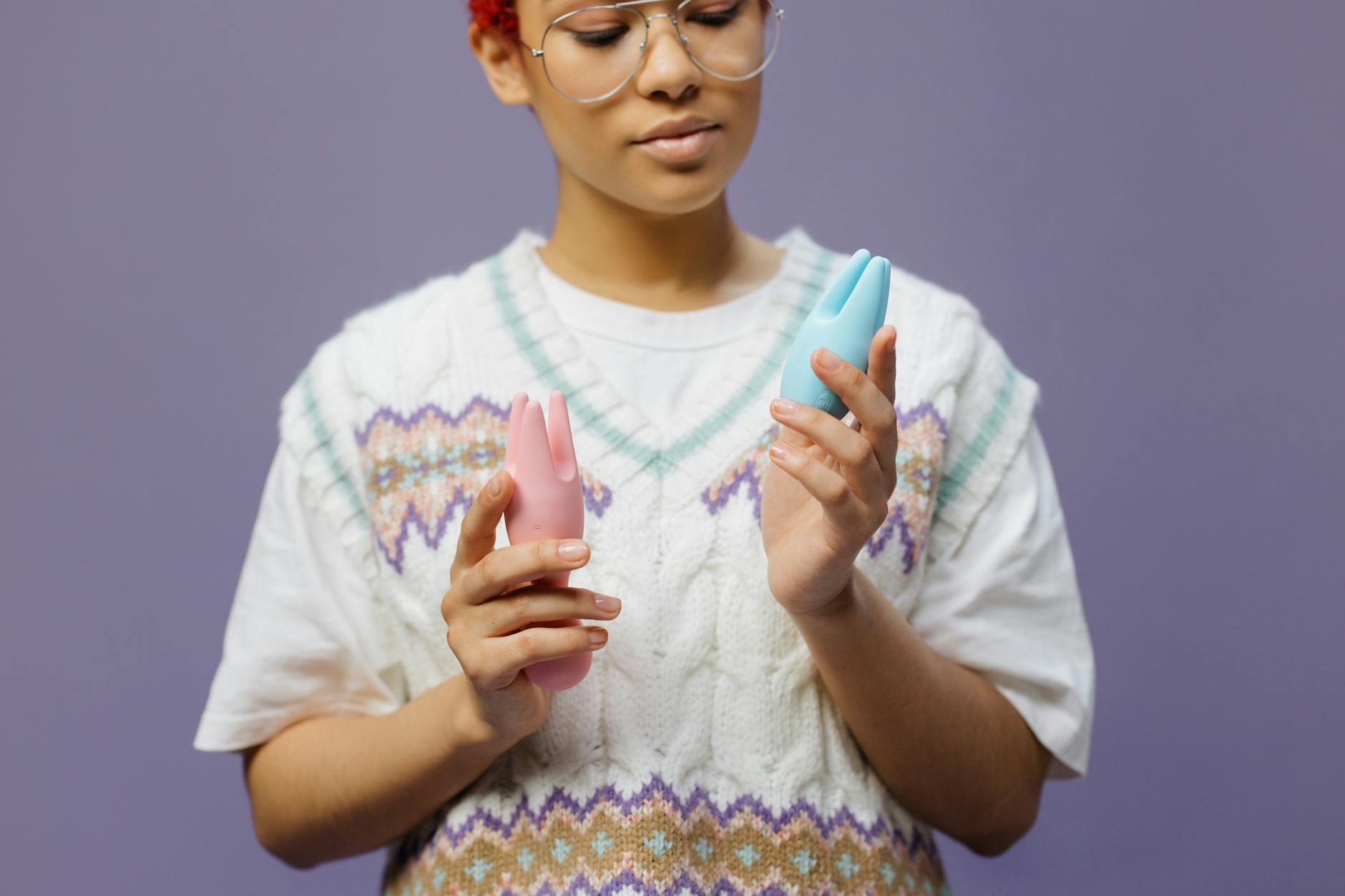
I've worked with clients from their early 20s to their late 60s, and the pattern is consistent. Sensation evolves. Lemon vibrators, especially the clitoral suction design, handle these changes better than traditional vibrators because they're responsive to different tissue states and arousal paces. Let's walk through what actually happens at each stage.
In your 20s: high nerve density, quick response
Your 20s are neurologically dense. Blood flow is fast, tissue is firm, and your clitoris is at peak sensitivity. You're also cognitively distracted. Work stress, relationship anxiety, body image thoughts. All of that noise lives in the same brain space as pleasure.
What works here: lemon adult toys at mid-to-high intensity, short warm-up time (5-10 minutes), and frequent use without recovery soreness. Many people in this stage find they can orgasm multiple times in succession.
Where the Lem shines: its gentler suction patterns (1-3) don't feel necessary yet, but the ability to scale up matters. You're also often experimenting with partners, and the directness of suction stimulation is more forgiving than friction-based vibrators if you're nervous or haven't found your rhythm yet.
Common friction point: you feel like you should be having more intense orgasms than you are. Spoiler alert. You're probably right where you should be. Intensity is partly genetic, partly mental load. Fix the mental load first.
In your 30s: peak physical response, emerging complexity
Your 30s are weird. Physically, you're still at high sensitivity, but life is getting louder. Partnerships shift from novelty to routine. Career demands peak. If you have kids, pelvic floor function starts showing the wear.
Nervous system arousal takes longer because your brain is doing ten things at once. But when you do get there, the sensation is often clearer. You know your body better.
What works: lemon clitoral vibrators with variable intensity, longer warm-up (10-15 minutes), and intentionality around timing. Many clients in this stage report that solo play becomes more satisfying than partnered sex, partly because they can control the pacing without negotiation.
Where the Lem helps: the ability to start low and build gives you control over stimulation speed. If pelvic floor tightness is creeping in, the suction approach doesn't trigger tension the way direct vibration sometimes does.
Common friction point: guilt about needing toys in partnered sex. Unspool that. Toys aren't a sign you're broken. They're a sign your nervous system is busier and your body needs specific input to signal arousal.
In your 40s: tissue changes, deeper arousal
This is where the conversation shifts. Estrogen begins declining around 40, even if menopause is a decade away. Tissue thins slightly. Blood flow response slows by about 10-15 seconds. Lubrication takes longer.
But here's what nobody tells you: arousal deepens. The shallow, novelty-driven pleasure of your 20s gives way to a more textured sensation. Orgasms often feel more located, more intense, more yours.
What works: lemon sexual toys with reliable variable intensity, longer warm-up (15-20 minutes), water-based lubricant as routine, not emergency. Many clients in this stage finally feel permission to pursue their own pleasure without justifying it to a partner.
Where the Lem is essential: suction vibrators work beautifully with thinning tissue because they stimulate without the mechanical pressure of direct vibration. The sensation is more diffuse, less likely to feel too intense. Starting low and building is no longer optional. It's how your body works best now.
Internal linking opportunity: if you're experiencing dryness or tissue thinning, how lemon vibrators work with vaginal dryness from hormonal changes is a deeper dive into adapting here.
Common friction point: you might feel like sensation is fading. It's not. The speed is changing, but the depth is expanding. Let it.
In your 50s: rewriting the story
Menopause or perimenopause is usually happening now. Estrogen has dropped significantly. Lubrication is minimal. Pelvic floor support is looser. You might have experienced health changes: surgeries, medications, relationship shifts.
And yet. So many clients report that sex becomes better in their 50s because they stop performing and start experiencing.
What works: lemon clitoral vibrators on the lower patterns, consistent lubricant use, longer and intentional arousal time (20-30 minutes ideally), and often a shift away from partnered sex toward solo exploration or a complete reimagining of partnered pleasure.
Where the Lem becomes a game changer: the suction mechanism is purpose-built for post-menopausal bodies. It doesn't require the same tissue firmness as traditional vibrators. You can use it across the full range of patterns without pain. Many clients in this stage finally achieve orgasms they'd been chasing for decades.
This stage also benefits from understanding arousal fully. How to use lemon vibrators during different stages of arousal walks you through mapping your actual arousal journey, not the one you think you should have.
Common friction point: assuming your sex life is supposed to look like it did at 30. It won't, and that's not a tragedy. It's a chapter change.
In your 60s and beyond: pleasure is learned, not lost
You're probably on different medication than you were. Sleep might be more fragmented. Arousal is slower. Lubrication is minimal. Orgasm, if it comes, takes patience.
But here's the clinical truth I've observed for decades: people in their 60s who've stayed sexually active often have more satisfying orgasms than they did in their 40s. Why? Because they've stopped chasing performance and started chasing sensation.
What works: lemon vibrators on the gentlest settings, abundant lubricant (reapply often), extended warm-up and foreplay (30-45 minutes), and often a partner who understands that this is collaborative exploration, not a race to orgasm.
Where the Lem is designed to help: the lowest intensity settings are specifically useful here. You're not powering through tissue or fighting against sensation. You're listening for it. The suction mechanism gives you that option in a way that most traditional vibrators don't.
Common friction point: partners or doctors implying that sexual desire should fade. That's cultural myth, not biology. Desire can persist across the lifespan. So can orgasm. Both just require recalibrated expectations.
The one thing that changes across all stages
Tissue responsiveness evolves, sure. Lubrication availability shifts. Nervous system speed varies. But the clitoris never loses sensation. The neural pathways for pleasure never degrade. Your capacity to orgasm doesn't expire.
What does change is how you access that capacity. At 25, you might access it through novelty and speed. At 55, you access it through patience and specificity. Neither is better. They're just different doors to the same room.
The rhythm question nobody asks
One thing that consistently surprises people across all ages: the importance of predictable stimulation over intense stimulation. Your nervous system prefers consistency. A lemon clitoral vibrator on pattern 3 applied steadily is more likely to create orgasm than jumping between patterns 2 and 5.
This matters more as you age. Your brain needs less variability to reach pleasure, not more. That's not a loss. That's focus.
When to recalibrate your approach
Three signs you need to adjust your lemon vibrator strategy regardless of age: pain (full stop, talk to a doctor), numbness that doesn't improve with different intensity levels, or consistent difficulty reaching orgasm despite extended warm-up. These aren't permanent. They're signals to shift something. Intensity, pattern, lubricant, warm-up duration, or possibly a conversation with a provider.
If you're partnered, the stakes get higher. How to introduce lemon vibrators to a long-term partner addresses the communication part because sensation changes are less about the tool and more about building language with your partner around what your body needs now.
The thing about aging and pleasure
Here's what I wish I'd known at 25: pleasure doesn't peak and decline. It transforms. Your 20s-self experiences pleasure one way. Your 50s-self experiences it another. Neither is diminished. They're just completely different in texture, duration, and depth.
The role of a good lemon sexual toy is to meet you where you are right now, not where you were five years ago. The Lem does that because it's adaptable across intensity, it works with tissue changes, and it scales with you. That's the whole point.
FAQ: Lemon Vibrators Across Life Stages
Should I switch vibrators as I get older?
Not necessarily. If you have a tool that works, keep it. But if intensity that once felt perfect now feels harsh, or if warming up takes longer, you might benefit from something with more granular control. Lemon clitoral vibrators excel here because the patterns cover a genuinely broad range, from barely-there suction to intense. You're not outgrowing the tool. You're finding a new setting.
Do orgasms actually feel different across decades?
Yes. In your 20s, they're often quick and clitoral. By your 40s and 50s, they often become deeper and more full-body. Some people experience them as more intense after 50 because they're less distracted and more connected. It's not a loss. It's a shift in sensation.
Is it normal that I need longer warm-up time than I used to?
Completely. Arousal speed is partly hormonal and partly neurological. As estrogen shifts and life gets more complex, your nervous system needs more time to downregulate stress and upregulate pleasure. That's not dysfunction. That's how bodies work across the lifespan. Budget the time, and it becomes feature, not bug.
Can I use the same lemon vibrator my whole life?
Yes. The design of clitoral suction vibrators makes them adaptable across hormonal stages and tissue states in ways that traditional vibrators aren't. You might adjust intensity levels and warm-up duration, but the tool itself stays relevant.
What if I've never had an orgasm and I'm older now. Is it too late?
Absolutely not. I've worked with people in their 60s who had their first orgasm. It requires patience, the right tool, and usually a willingness to let go of shame. A lemon vibrator, combined with extended warm-up and possibly time with a sex-positive therapist, can genuinely change the game here.
How much does medication affect vibrator sensation?
Significantly. SSRIs, blood pressure meds, and hormonal changes all affect arousal and sensation. If you've recently started medication and noticed a shift in how vibrators feel, that's usually the culprit, not you. Talk to your doctor about timing or dosage adjustments. Sometimes a small change unlocks everything.
The bottom line
Your pleasure is not a fixed thing that peaks at 25 and declines from there. It's a living system that adapts, recalibrates, and often deepens across your life. The right lemon vibrator meets you wherever you are in that journey. Not where you were. Where you are now.