Let's be real about pleasure after divorce
Divorce rewires more than just your living situation. It scrambles your sense of your own body, your desire, and what intimacy even means. Many women I work with report that the first time they experience genuine pleasure again after separation, they're shocked at how foreign their own arousal feels. That's not weakness. That's grief having its moment.
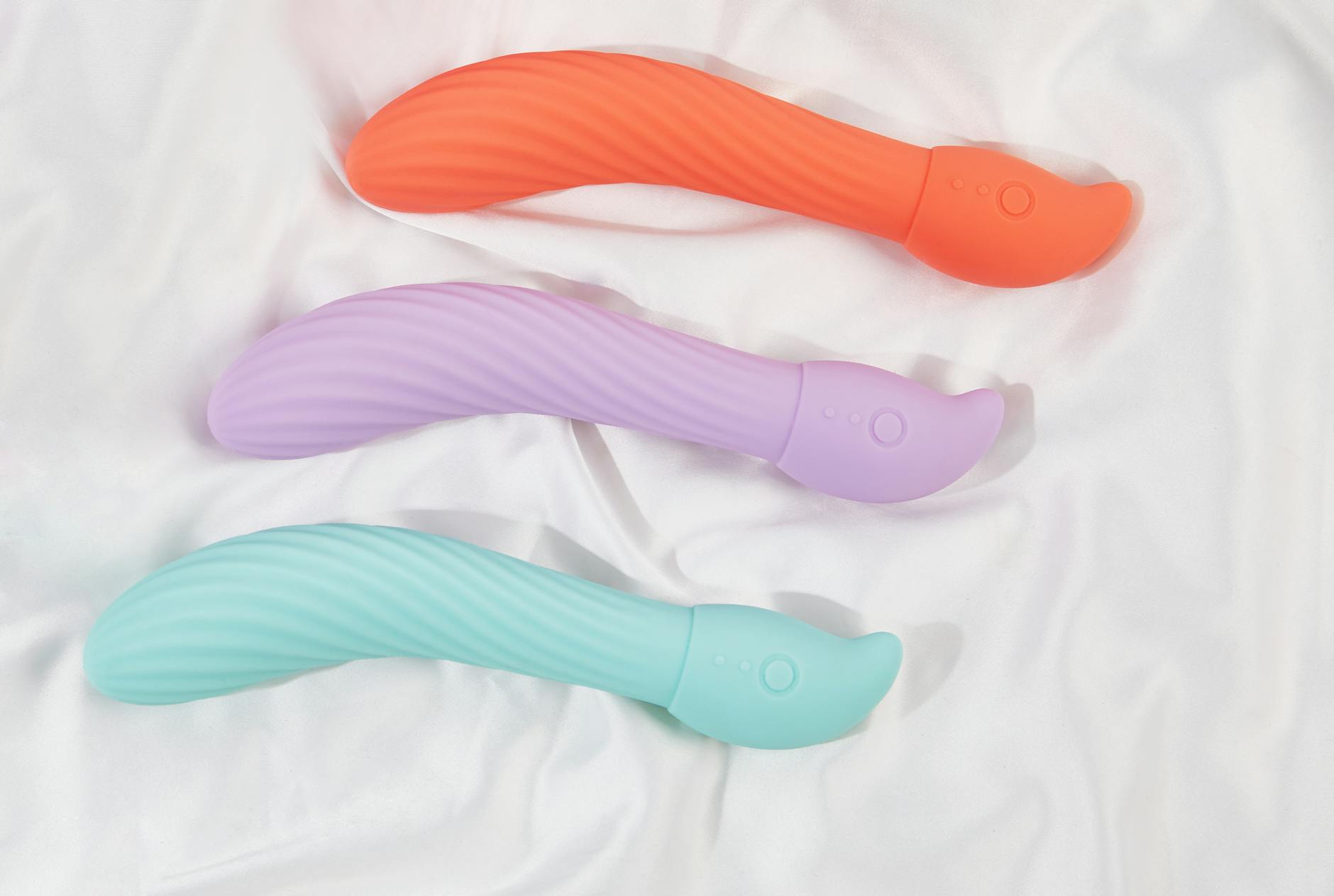
Lemon clitoral vibrators, particularly air-suction devices like the Lem, have become a quiet revolution for post-divorce pleasure because they offer something simple: control. No negotiation. No performance. Just sensation on your terms.
Why pleasure feels broken after divorce
There are two parts to this. The first is neurological. Stress, grief, and relationship trauma literally suppress arousal. Your nervous system has spent months (or years) in a state of threat, and that doesn't just flip off when divorce papers are signed. Cortisol, the stress hormone, directly inhibits the release of sex hormones. Your body isn't broken. It's protecting itself.
The second part is relational. If your marriage sex became transactional, obligatory, or shaped around a partner's needs, you've spent years training yourself not to prioritize your own sensation. Rebuilding pleasure solo means retraining your brain that arousal is safe, that your desire matters, and that there's no one keeping score.
Many women report feeling guilty about exploring pleasure solo after divorce. That guilt often comes from cultural messaging that says women's sexuality should be relational, not autonomous. It's worth naming that directly: your pleasure is not a consolation prize. It's a fundamental part of your health and resilience.
What makes lemon vibrators different for post-divorce exploration
There are three things that set lemon sexual toys apart for this particular healing process.
First, they're forgiving. Lemon clitoral vibrators use suction and gentle vibration rather than intense direct stimulation. If your nervous system is still tender, if you're rebuilding sensitivity after months of numbness, the graduated intensity of a device like the Lem means you can start exactly where you are. No pressure to perform arousal you don't yet feel.
Second, they're intuitive. You don't need a manual or a learning curve. A lemon vibrator turns on and works. That simplicity matters when you're already managing grief and logistics. Pleasure should not require problem-solving.
Third, they're private. This one's bigger than it sounds. After divorce, your home often becomes the only space that's truly yours. A lemon vibrator is something you can use, clean, store, and integrate into your routine without explaining it to anyone. That autonomy is part of the healing.
The stages of rediscovering pleasure
Think of post-divorce pleasure rebuilding in phases. Knowing which one you're in helps you choose the right tools and approach.
Stage one: numbness. This is the first few weeks or months when nothing feels good. Food is bland. Music doesn't land. Sex feels impossible. If you're here, a lemon clitoral vibrator might feel premature. That's okay. Forcing pleasure is its own kind of performance. Instead, use this time to tend to your nervous system. Sleep. Move your body. Let sensation reawaken naturally.
Stage two: curiosity. Usually around month three to six, a small question emerges. "Could I feel pleasure again?" This is when a lemon vibrator becomes useful. You're not trying to climax. You're just testing. What patterns of touch feel good now? What's different? This exploration is data. It's also self-compassion.
Stage three: rediscovery. Around month six to twelve, many women report that pleasure starts returning. It often feels different than it did before. Stronger in some ways, quieter in others. Some report multiple orgasms for the first time. Others find that pleasure is more emotional, more tied to self-compassion than it was before. A lemon vibrator is often the tool that accelerates this phase because it's reliable and responsive.
Stage four: integration. Solo pleasure becomes part of your regular self-care, not a novelty or a replacement for partnered intimacy. If you move toward new relationships, solo pleasure actually helps. You know your body again. You know what you need. You can communicate that with a partner rather than waiting to be figured out.
Building a solo pleasure practice after divorce
If you're ready to explore, here's what actually helps.
Create a ritual, not just a moment. Run a bath. Light a candle. Set a phone reminder. The ritual signals to your nervous system that this time is safe and intentional. It's not sneaking pleasure in between tasks. It's carving out space for yourself.
Start with exploration, not goals. Don't think "I need to orgasm." Think "What does sensation feel like today?" This removes the performance pressure. Some days you'll climax. Some days you won't. Both are data.
Use lube. Even if you're aroused, a water-based lubricant makes everything easier. It reduces friction, increases sensation, and tells your body you're taking this seriously. Apply it generously.
Breathe deliberately. Breath is the fastest way to shift your nervous system out of stress. If you feel anxiety, slow your exhale longer than your inhale. This signals safety to your body.
Notice without judgment. Thoughts will come up. Sadness. Memories. Anger at your ex. Guilt about pleasure. These are normal and they don't mean you're doing something wrong. Notice them, let them move through, and gently return attention to sensation.
When solo pleasure points toward something bigger
Sometimes rebuilding solo pleasure reveals that you need more support. If exploring intimacy surfaces trauma, if touch triggers panic, or if numbness persists beyond a year, working with a therapist trained in somatic experiencing or trauma-informed sexuality can be transformative.
I've also seen women use lemon vibrators as a bridge to confident partnering. When you know your own pleasure, you can teach a new partner what you need. You're not waiting to be figured out. You're collaborating. That changes everything.
The bigger picture
Rebounding sexually after divorce isn't about replacing your ex or proving something. It's about reclaiming the part of yourself that divorce trauma put on pause. Your pleasure is an act of resilience. It's proof that you're healing. And it's proof that your body still knows how to feel good, even after heartbreak.
A lemon clitoral vibrator is just a tool. The real work is the permission you give yourself to prioritize your own sensation, your own desire, your own body's needs. That permission is everything.
FAQ: Common questions about pleasure after divorce
Is it normal to feel guilty about solo pleasure after divorce?
Completely. Your marriage likely shaped your relationship to your own sexuality. If you spent years accommodating a partner, prioritizing their pleasure, or feeling self-conscious about your body, reclaiming solo pleasure can trigger guilt or shame. That's not a sign something's wrong. It's a sign you're healing. The guilt usually fades as you practice giving yourself permission over and over again.
How long until pleasure feels normal again?
There's no standard timeline. For some women, it's weeks. For others, it's years. The recovery depends on the length of your marriage, the nature of the separation, whether there was infidelity or abuse, and your baseline relationship to pleasure. What matters is that you're moving forward, not that you're moving fast. Patience with yourself is part of the healing.
Can lemon vibrators help if my marriage had sexual problems?
Yes. If your marriage sex was painful, obligatory, or misaligned with your desires, a lemon clitoral vibrator offers a chance to discover pleasure on your own timeline, without a partner's expectations. This is often how women learn what actually turns them on. That knowledge is gold if you eventually partner again.
Should I tell a new partner that I use lemon vibrators?
That's your choice. If you move toward a new relationship, being honest about your pleasure practices usually strengthens intimacy. Most partners appreciate the honesty and the fact that you know your body. Some even appreciate that you can guide them. But you don't owe anyone that information until you're ready to share it.
What if I'm still not interested in pleasure a year after divorce?
Talk to a therapist or your doctor. Persistent loss of desire can signal depression, hormonal shifts, or unprocessed trauma. It's treatable. You don't have to white-knuckle your way back to pleasure alone.
Can lemon adult toys help if I'm in a new relationship?
Absolutely. Many couples use lemon clitoral vibrators together. Some women find that solo pleasure actually strengthens partnered sex because they're less dependent on their partner to create arousal. Others use a lemon vibrator during partnered sex for additional stimulation. Communication and curiosity matter more than the tool itself.
Moving forward
Divorce is a rupture. Rebuilding pleasure is part of the repair. Whether you're exploring a lemon vibrator for the first time or circling back to solo intimacy after years of partnered sex, remember this: your pleasure is not a consolation prize. It's a return to yourself. It's an anchor point in a life that's been shaken. And it's available to you, whenever you're ready.
If you have questions about your healing journey or want to explore pleasure practices in a supported space, our contact page is here. You don't have to navigate this alone.