
The honest conversation you're probably dreading
Let's be real. Most people don't bring up the idea of introducing a lemon clitoral vibrator or any toy into their intimate life because the mental script plays out like a horror film. You picture awkwardness, rejection, maybe even offense. So you don't say anything. Your partner doesn't know you've thought about it. And nothing changes.
Here's what actually happens when you frame the conversation right: curiosity wins. Not every time, but most of the time. Your partner hears that you want to explore pleasure together, that you trust them enough to be vulnerable, and that you're not asking them to change. You're asking them to join you.
Why the timing and setting matter more than the words
I see this mistake constantly in my therapy practice. People choose the worst possible moment: tired, rushed, right after sex when vulnerability is fading, or during a conflict about something else entirely. The conversation needs space and calm.
Pick a time when you're both unhurried and in reasonable spirits. Not stressed about work, not hungry, not fighting about whose turn it is to clean. A weekend afternoon walk, a quiet moment on the couch before bed, or even a car ride where you're both looking forward instead of at each other works better than you'd think. The side-by-side positioning actually reduces the pressure compared to face-to-face.
Set is equally important. You don't need wine or candles or "the vibe." You need ordinary comfort.
The opening line that actually works
Forget the elaborate preamble. Forget the apology tone. And definitely forget leading with "I feel like our sex life is missing something." That triggers defensiveness immediately.
Instead, start from curiosity. Try something like this:
"Hey, I've been thinking about something and I want to run it by you. I've been interested in trying a clitoral vibrator, something like a lemon vibrator. I know it might sound random, but I'd love to explore it together if you're open to it."
Notice what's happening here. You're centering your own desire, not criticizing the current situation. You're naming the specific thing (a lemon clitoral vibrator, not "a toy"). And you're explicitly framing it as something you want to do together, not something that replaces them.
The word "together" is doing the heavy lifting. It signals partnership, not substitution.
What they might say (and how to respond)
Responses usually fall into a few categories. Here's how I advise people to navigate them:
"Are you not satisfied with our sex?"
This is fear talking. Respond with honesty and reassurance. "That's not it at all. I'm satisfied, and I want more satisfaction for both of us. This isn't about replacing you. It's about adding something that feels good for me, and honestly, watching you enjoy yourself is something I'd like too." Pause. Let them sit with that.
"Isn't that weird?"
Not weird. Increasingly common. Most research suggests over 50 percent of people have used a clitoral vibrator at some point. Hello Nancy customers report using lemon vibrators in partnered play regularly. But you don't need to cite statistics. You can just say: "It's only weird if we make it weird. To me it feels like exploring something we both want."
"I don't know if I'm comfortable with that."
This is a real concern and deserves real space. "I hear you. Let's talk about what makes you uncomfortable. Is it the object itself? How we use it? I'm not trying to push you into anything." Then listen. Maybe they're worried about performance. Maybe they associate toys with rejection. Maybe they have no idea how they'd even fit into the moment. All of these are workable.
"Yeah, I'm interested too." (Or any version of enthusiasm.)
Great. Move to the fun part. "Okay, so I'm thinking we try a lemon clitoral vibrator. They're specifically designed for clitoral suction, which is different from other vibrators. Would you want to research them together, or should I pick one?" Let them stay engaged.
The practical logistics
Once the conversation is open, you're past the hardest part. But a few details matter for the actual introduction.
If they're game but nervous, suggest starting outside of full sexual activity. Not because it's less intimate. Because it removes pressure. You could introduce it during foreplay where there's already ease and curiosity. You could suggest trying it solo first while they're in the room, so they see you in control and enjoying it. Some people find that watching their partner get off is the hottest part, once they see how much you're into it.
Be concrete about the logistics. "I'm thinking we order it online, it arrives, and we try it together this weekend in a way that feels relaxed, not rushed." No mystery. No ambush. Just partnership.
When your partner is hesitant but willing
Some people say yes but seem uncertain. You can make the first experience better by being attuned to their energy.
Don't oversell. Don't narrate. When you introduce your lemon vibrator in the moment, just use it naturally. If they want to touch it or ask questions, answer them. If they want to try it on themselves, let them. The first time is information gathering for both of you, not performance.
Check in after. "What did that feel like for you?" Listen without judgment. Maybe they loved it. Maybe they felt weird watching. Maybe they want to try again differently next time. All of those are fine.
If they said no
Sometimes the answer is no. Not "I need time to think," but "I'm not interested." That's their boundary, and it's worth respecting. But you still have options.
You can use clitoral vibrators solo. You can set a time limit on the conversation before revisiting it in six months. You can ask what specifically is off limits. You can introduce them gradually. "What if I used it only when we're not together?" Sometimes that feels less threatening.
But here's what you can't do: resent them for having a boundary. That's the fastest way to erode intimacy. If it's a dealbreaker for you, that's different, and that's something to bring to a therapist together, not something to hide.
The conversation after the first time
If you both tried it, debrief when you're not in bed. Could be the next day. "I was nervous before, but I really liked when you..." or "That was good, but I want to try..." Lemon clitoral vibrators, like any intimate tool, work better with feedback. Your partner is not a mind reader.
A simple frame: "What did you like?" "What would you want different?" "Do you want to try again next week?" You're building a habit of communication about pleasure, which is the real win.
The deeper layer
In my practice, I notice that couples who talk openly about sex toys are also the couples who talk openly about a lot of other things. They've built a muscle for vulnerability. They've learned that wanting something different doesn't mean wanting a different partner.
Introducing your lemon vibrator to your partner isn't just about pleasure, though it is about that. It's about saying, "I trust you with this part of me. I want us to explore this together." That's not a small thing.
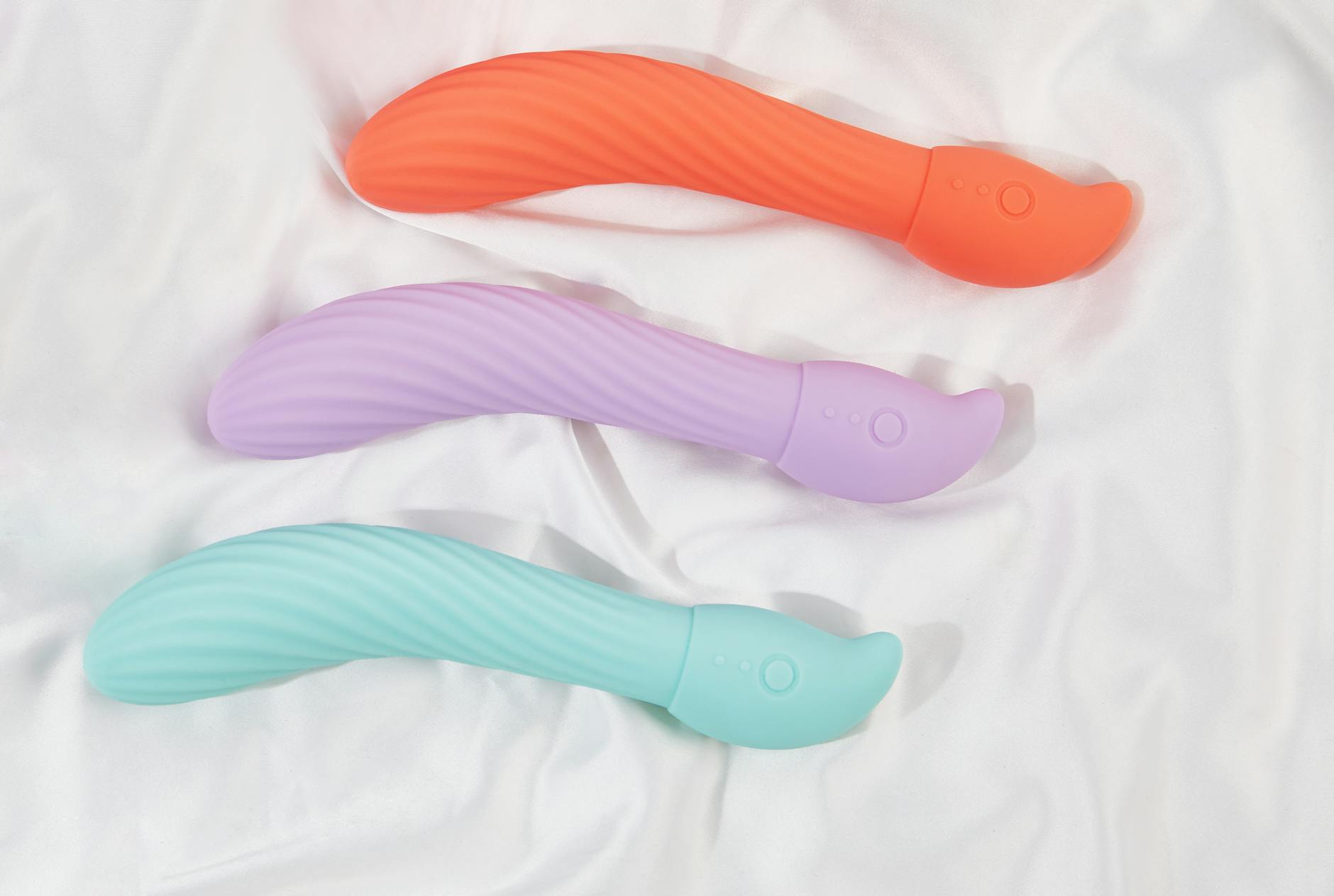
Photo by IFONNX Toys on Pexels
The conversation you're avoiding is usually better than the version in your head. Start small, be honest, listen more than you talk, and remember that your partner's initial hesitation usually isn't about you. It's about their own fears and assumptions. Once those are on the table, most couples find that introducing lemon sexual toys into their intimate life actually brings them closer.
Common questions about introducing vibrators to partners
What if my partner gets defensive and thinks I'm criticizing their performance?
Defensiveness usually masks insecurity. Address it head-on but gently. "This isn't about you not being enough. Clitoral vibrators do something specific that hands and bodies literally can't do because of physics. It's not a referendum on how much I love sex with you. It's an addition, not a replacement." Reassurance matters, but so does not over-apologizing. You have every right to want to explore your pleasure.
Is it better to bring it up before or after sex?
Before. The afterglow creates vulnerability, but also a weird power dynamic where they might agree just because they're still in a bonded state. A conversation during ordinary time, when you're both neutral, leads to genuine consent and enthusiasm. After sex, you're also often exhausted or already mentally moved on. Pick a moment with actual attention.
What if they want to buy it themselves instead of you picking it out?
That's great. Let them. You can send them to Hello Nancy's shop or talk through what matters to you (surface material, noise level, size, battery life) so they can choose something you'll both like. Some couples enjoy the research phase together. Some prefer the partner who's less directly involved to take the lead on purchase. Either works.
How do I bring it up again if they said no the first time?
Don't ambush them. But also don't assume it's permanent. People's boundaries shift. You could say, "I know you weren't into the idea before. I'm still thinking about it. Would you be open to talking about what made you uncomfortable?" Listen to the actual concern. Sometimes it's about the object. Sometimes it's about feeling rushed. Sometimes it's about money or curiosity. If the core issue shifts, your approach can shift too. Space between conversations usually helps.
What about lemon sexual toys specifically, versus other vibrators?
Lemon clitoral vibrators use suction technology, which feels different from traditional vibration. Some people find that gentler on sensitive tissue. Some find it more intense. If your partner is hesitant about "vibrators" in general, the specific design might matter. "This one works differently. It's less buzzing, more of a sucking sensation, which some people find less intense at first." That can ease concerns.
Can I use a lemon vibrator solo if my partner isn't interested?
Absolutely. Your pleasure doesn't require their approval. That said, some partners who initially said no become curious when they see how much you enjoy it. Others remain uninterested, and that's fine. Your body is yours to explore regardless.
How often should we use it together?
There's no rule. Some couples use clitoral vibrators regularly. Some occasionally. Some do it once and that's enough for them. Let frequency emerge naturally from what feels good and sustainable for both of you. The first time is about information. After that, you can play with rhythm and expectation.
One more thing
The conversation you've been avoiding is easier than you think. And the pleasure you might discover on the other side of it is real. Your partner likely wants you satisfied and fulfilled. Most people, when given clarity and reassurance, are excited to be part of that. You've got this.
References and sources
This article draws on clinical research in couples therapy and relationship communication, alongside interview insights from relationship specialists working in the field of sexual health and intimacy. Key frameworks include the Gottman Method's emphasis on emotional connection and the sex education research from sources like the American Sexual Health Association, which consistently documents that open communication about sexual preferences and tools strengthens relationship satisfaction. Hello Nancy's anonymized customer data also reflects that most couples who introduce clitoral vibrators together report increased communication and intimacy overall.