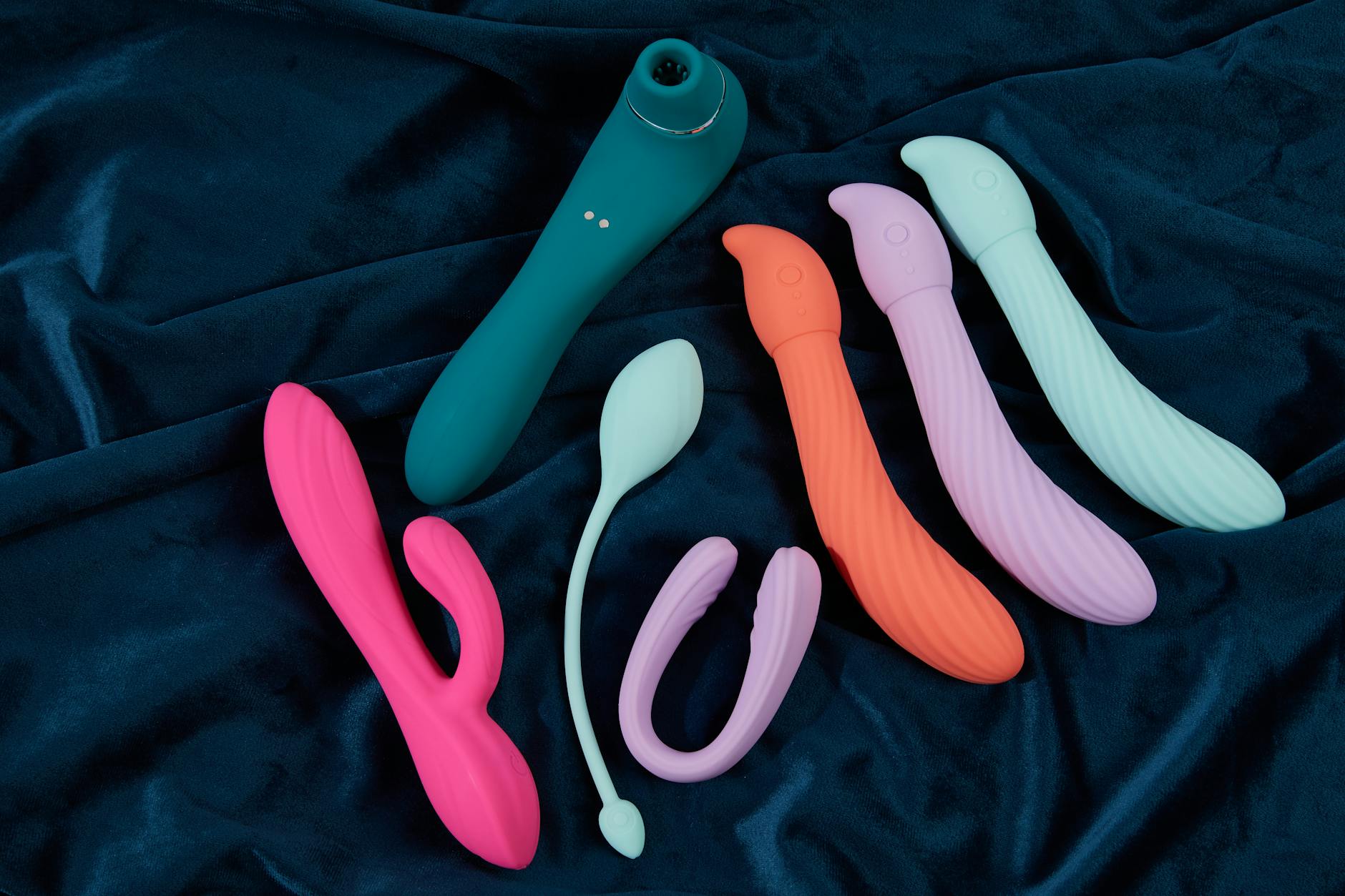
Here's the thing about switching vibrators
You've been using standard vibrators for years, maybe. They work fine. Then you hear about lemon vibrators, suction toys, air-pulse technology, all that. So you buy one and it feels completely foreign. Not necessarily bad, just not what your body expected.
That's normal. And it's fixable. The transition just needs a little strategy.
Why lemon vibrators feel so different
Traditional vibrators move back and forth, really fast. Your clitoris gets stimulated through direct mechanical motion, which is straightforward and effective. Most people know exactly what to expect because the sensation hasn't changed in decades.
Lemon vibrators work on a different principle entirely. Instead of vibration, they use suction. The Lem and other clitoral suckers create a gentle seal around your clitoris and then pulse air rhythmically, pulling and releasing. It's more like a mouth than a jackhammer.
For some bodies, this feels transcendent. For others, it feels weird at first. Both reactions are totally fine. Your nervous system just needs a minute to recalibrate.
The good news: if you've had good experiences with vibration, your neurology isn't broken. You're just meeting a different sensation type, and your body adapts remarkably fast, usually within two or three sessions.
What happens in those first sessions
Your clitoris has thousands of nerve endings, but they're specialized. Some respond most to direct pressure, some to vibration, some to suction. When you switch toy types, you're basically waking up nerve pathways that have been quiet.
Session one often feels like you're not sure what's happening. You might feel the suction but not experience pleasure yet. That's the moment people give up, which is a shame because you're literally one or two sessions away from breakthrough.
Session two usually lands differently. Your body remembers. The seal feels more natural. Arousal builds faster.
Session three is often when people realize they've been missing something. Suction hits differently than vibration, especially on the clitoral hood and the sides of the clitoris. You might find intensity levels you've never accessed before.
Starting the transition smoothly
Three practical steps to make this work without frustration.
Start low, both literally and figuratively. Most lemon vibrators have intensity settings. Start at pattern one or two, not wherever you landed with your old vibrator. Suction at full intensity can feel intense even to people who love it. Your first few times should feel gentle, almost puzzling. That's the right zone.
Use it when you're already somewhat aroused. Don't try a lemon vibrator when you're completely neutral. Spend ten or fifteen minutes however you normally warm up. Touch yourself. Use your old vibrator if you want. Get blood flowing to your clitoris. Then introduce the new toy. Your tissue will be more sensitive and responsive, and the transition will feel less foreign.
Give it three solo sessions before deciding. This isn't arbitrary. Most people's nervous systems need at least three exposures to a new sensation type before the brain stops saying "this is weird" and starts saying "oh, I see." If you try it once, don't like it, and shelve it, you're giving up on something that might genuinely change your experience.
Photo by cottonbro studio on Pexels
Why people actually love the switch
There are real, physical reasons suction works better for some bodies than vibration ever did.
Suction feels less numbing. With traditional vibrators, especially high-frequency ones, some people experience numbness after ten or fifteen minutes. It's not pain. It's just desensitization. Your nerve endings adapt to the constant input. Suction doesn't have that same dulling effect because the stimulus isn't constant friction. It's rhythmic pulling. You can go longer without losing sensation.
It creates a different kind of buildup. Vibration often feels like a direct climb to orgasm. Suction builds differently. The pulse creates waves of sensation that can layer on each other. Many people describe the orgasms as more full-body, less just concentrated in one spot. Whether that's better is personal, but it's genuinely different.
It works better on certain anatomy. If you have a larger clitoral hood, or if your most sensitive area is toward the side of your clitoris rather than the tip, vibration sometimes misses the mark. Suction creates a broader field of stimulation. Same reason lemon vibrators often work brilliantly for people who've been frustrated with traditional options.
Making it work with a partner
If you're transitioning within a relationship, communication is everything. Your partner might be used to knowing your rhythm and what gets you there. When you introduce a new toy, especially one that works differently, they might feel uncertain about their role.
Here's what helps: have the transition conversation outside the bedroom. "I want to try something new" is better than surprising them mid-session with an unfamiliar toy. Explain that it feels different, not better or worse, just different. Ask them to stay curious rather than reverting to the old patterns.
Then let them see it in action. Most partners feel much less threatened or confused when they understand what's happening physiologically. The Lem is designed to be accessible to two people. You can both be involved in learning how it works on your body.
If you find you prefer suction with a partner present, that's worth saying out loud. "I actually prefer when you watch me use this" or "I'd like you to hold me while I use it" gives direction and keeps the experience collaborative.
The transition doesn't have to be all-or-nothing
You don't have to choose between your old vibrator and your new lemon clitoral vibrator. Many people use both, depending on mood, energy level, and what they're seeking. Some days you want the familiar climb of vibration. Other days, suction is exactly right.
The goal isn't to replace one tool with another. It's to have options. And to trust that your body can adapt to new sensations faster than you'd think.
If you've been considering the switch and haven't pulled the trigger, the barrier is usually just not knowing what to expect. Now you do. Start low. Give it three sessions. Let your nervous system catch up. Most people who make the transition consciously end up really glad they did.
FAQ
How long does it usually take to adjust to a lemon vibrator?
Most people adjust within one to three sessions. The first session often feels strange or uncertain. By session two, your body starts recognizing the sensation. By session three, most people know whether suction genuinely works for them or not. Some people love it immediately, but giving yourself at least three attempts removes the luck factor.
Can I use the same lubricant with a lemon vibrator as I use with my traditional vibrator?
Yes, but there's a small caveat. Water-based lubricant works with all toy types and is always safe. If you use silicone-based lube, check your lemon vibrator's material first. Most high-quality clitoral suckers are silicone, and silicone lube can damage silicone toys over time. Stick with water-based and you'll never have a problem.
Will switching to a lemon vibrator mean I can't orgasm from vibration anymore?
No. Your body's capacity doesn't shrink. You're not rewiring your pleasure. You're just introducing a new stimulus type. If you loved vibration before, you'll still be able to use traditional vibrators and enjoy them. Adding suction doesn't delete vibration from your nervous system.
What if I try a lemon vibrator and it just doesn't work for me?
That's also fine. Not every toy works for every body. But "doesn't work" usually means one of three things: wrong intensity level, wrong timing in your cycle, or genuinely not the right tool for you. If you started on a high intensity setting, try starting lower next time. If you tried it during a phase when you weren't feeling great, come back to it another week. If you've given it genuine effort and it honestly doesn't feel good, you haven't wasted your time. You've just learned something about your preferences.
Is there a reason lemon vibrators work better after 40 or 50?
Not universally, but there are patterns. As hormones shift with age, tissue sensitivity changes. Many people find that suction feels more comfortable than vibration on thinner tissue because it doesn't require the same direct friction. Additionally, nerve density doesn't change, so suction can feel more accessible than it did when you were younger. That said, plenty of people under 40 adore lemon vibrators too. It's anatomy and preference, not strictly age.
Can I use a lemon vibrator if I have pelvic pain or sensitivity?
Maybe. Gentle suction is often more comfortable for sensitive tissue than vibration is, but pain is individual. If you have ongoing pelvic pain, check with a pelvic floor specialist before introducing any new stimulation. They can tell you whether suction is likely to feel good or potentially aggravating for your specific situation.
Should I tell my partner I'm transitioning to a different toy type?
If you're in a partnered relationship and sex is something you do together, yes. Not as confession, just as information. "I picked up a lemon vibrator to try something new. Want to explore it with me?" Most partners appreciate the heads-up and the invitation to participate. If you're using toys solo, the answer is entirely up to you and what feels right in your relationship.
The actual transition is simpler than you think
You've adapted to new sensations before. New partners, new locations, new ways of touching and being touched. Your nervous system is built for novelty. A lemon vibrator is just another sensory experience, and you're completely capable of integrating it.
Start low, give it three genuine attempts, and let yourself be curious rather than critical. Chances are high that you'll find something you didn't know was missing.
Ready to explore? Check out our complete guide to choosing your Lem or reach out to our team at /contact if you have questions about which option might work best for your body.