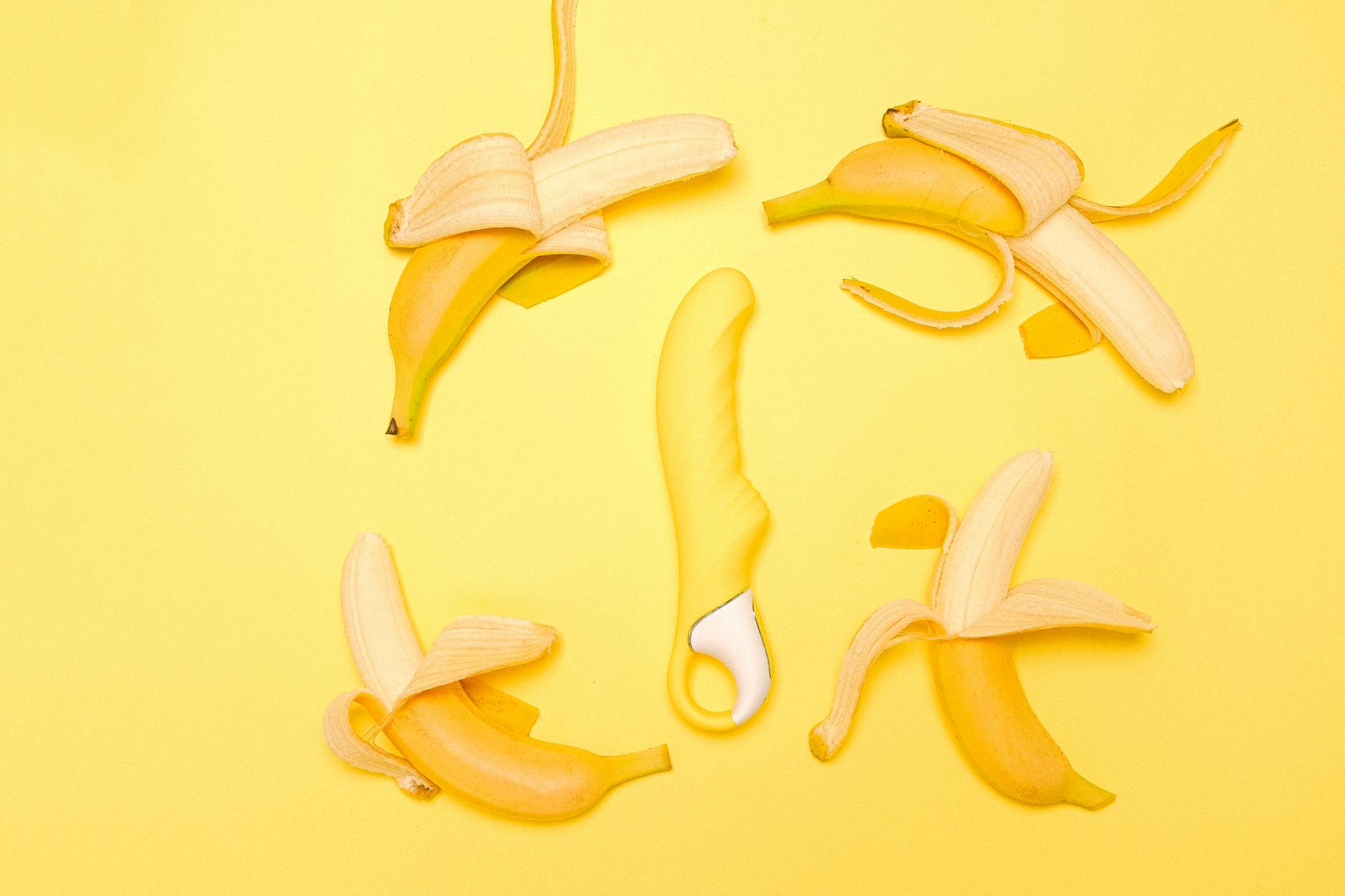
Let's talk about what thin tissue actually means
Tissue gets thinner when estrogen drops. Not broken. Not ruined. Just thinner. The vaginal wall becomes more fragile, lubrication is lighter, and the nerves sit closer to the surface. This changes sensation, but it doesn't end it. It redirects it.
Here's what surprises most people: thin tissue is often more sensitive. Not in a painful way (if that's happening, see a doctor). In a "hello, I feel everything" way. The problem isn't lack of sensation. It's figuring out how to work with what you've got without overdoing it.
Why traditional vibrators feel different on thin tissue
Standard vibrators rely on direct friction and rapid buzzing. Both work fine on thicker, more resilient tissue. On thin tissue, direct friction can feel sharp, numb-inducing, or just wrong. The vibration pattern that felt perfect at 35 might feel harsh at 55. This is not a personal failure. It's physics.
This is where suction technology changes everything. Instead of vibrating against delicate tissue, suction-based lemon vibrators stimulate the nerve clusters without the same mechanical pressure. Think of it like the difference between tapping someone repeatedly on the shoulder versus gently gathering the fabric of their shirt. Same nerve activation. Different sensation.
How lemon clitoral vibrators work with thin tissue
A lemon vibrator (or any quality air-suction device) creates gentle pressure waves around the clitoris. The tissue itself doesn't take the same beating. Sensitivity is built in because the device is literally designed to be gentler. Most people with thin tissue find they can use their lemon vibrator for longer without numbness setting in, and with less post-use soreness.
The suction pulls blood flow to the area, which actually helps lubrication even if your natural production is lower. It's like priming the pump. Many of my clients report that using a lemon vibrator makes the whole experience feel more alive, not less.
Start lower, build up
Here's the rhythm that works: begin on pattern 1 or 2. Not because you're weak. Because your tissue is responsive. Stay there for 3-5 minutes. Let your body acclimate. Then, if you want more intensity, move to pattern 3. Most people with thin tissue find their sweet spot lives in patterns 2-4, not maxed out at 10.
This isn't settling. This is smart. Lower intensity over longer sessions often produces stronger, more sustained pleasure than aggressive short bursts. Your nervous system gets a chance to build arousal gradually instead of spiking and crashing.
Lubrication is not optional
Let's be clear: you are not broken if you need lube. Everyone with thin tissue benefits from it, whether or not they have other lubrication issues. Water-based lubricant helps in two ways. It protects your tissue from the suction itself (yes, even gentle suction benefits from a buffer), and it makes everything feel less clinical.
Apply lube before you start. Reapply halfway through if needed. Thin tissue deserves this attention. You're not compensating for anything. You're creating the ideal conditions for pleasure.
Warm-up matters more than you think
Thin tissue responds better to a longer warm-up period. Fifteen to twenty minutes of non-targeted touch, kissing, or just breathing together gets blood flowing to the area and primes the tissue for sensation. Then introduce your lemon vibrator.
If you're solo, create that space yourself. Some people take a warm shower first. Others spend 10 minutes touching other parts of their body before moving to the clitoris. The warm-up is not foreplay you have to rush through. It's part of the experience. It makes everything that comes after feel richer.
Pay attention to pelvic floor tension
Thin tissue often comes with tighter pelvic floor muscles. The two feed each other. Tight muscles restrict blood flow, which makes tissue thinner. Thinner tissue feels more vulnerable, so muscles tense up. Breaking this cycle matters.
Before using your lemon vibrator, spend 2-3 minutes on pelvic floor relaxation. Breathe in for four counts, breathe out for six. As you exhale, consciously soften the muscles around your vulva and vagina. This is harder than it sounds because your instinct is to clench when nervous. Practice it without the vibrator first, so it feels natural when you add it in.
If you have significant pelvic floor dysfunction, check out the guide on using lemon vibrators with pelvic floor issues. This alone can transform the experience.
Experiment with patterns, not intensity
Most people think intensity is the variable to change. With thin tissue, patterns matter more. Your lemon vibrator probably has 3-10 different pulse and wave patterns. Instead of going up in numbers, try switching patterns. Pattern 3 might feel flatter than pattern 2, even at the same power level. Pattern 5 might be exactly what you need.
Many of my clients find that a lower-intensity alternating pulse pattern works better than a steady hum at higher power. The variation keeps your nerves engaged without fatigue. Experiment on a day when you're not time-pressured. You're building a map of your own body.
Know the difference between sensation and pain
Thin tissue is sensitive. That's good. But sensitivity should feel pleasurable, not sharp or burning. If you're experiencing pain, stop. Pain is information. It means either the suction level is too high, you need more lube, your pelvic floor is gripping, or you need more warm-up time.
Adjust one variable at a time. Lower the pattern by one notch. Add more lube. Breathe. Take a break and try again tomorrow. Pleasure should never require pushing through discomfort. The goal is sensation that feels expansive, not tissue that feels threatened.
Timing and frequency
With thin tissue, more frequent, shorter sessions often work better than infrequent marathon sessions. Using your lemon vibrator 3-4 times a week for 10-15 minutes beats once a month for 45 minutes. Shorter sessions mean less irritation, better circulation, and your nervous system stays engaged instead of fatigued.
This is especially true if you're newly dealing with thin tissue. Give your body time to adjust. Your sensitivity often improves with regular, gentle use, not despite it.
After-care is as important as the experience itself
When you're done, take 5 minutes to just lie there. Don't jump up. Don't immediately scroll your phone. Let your nervous system settle. Some people find that a few deep breaths, or some gentle touching of other body parts, helps the pleasure integrate.
If you notice any mild irritation the next day, skip a day. Use that break to do some gentle pelvic floor stretching. Your tissue adapts best with consistency, not intensity. You're not training for a marathon. You're building a sustainable practice.
FAQ
Do I need a special vibrator for thin tissue?
Not necessarily special, but the right type matters. Air-suction lemon vibrators like the Lem are designed to stimulate without aggressive friction, which makes them naturally better suited to thinner tissue. Traditional buzzers work for some people with thin tissue, but they require more patience and usually more lube. If you already own a traditional vibrator, try using the lowest setting with plenty of lube before upgrading. You might surprise yourself.
Can thin tissue get thicker again?
Yes, actually. With consistent estrogen replacement (if that's your situation), regular sexual activity, and good blood flow, tissue can gradually become more resilient. It takes time, usually several months. Regular use of your lemon vibrator contributes to this because it increases blood flow to the area. You're not just seeking pleasure. You're also healing.
Is it normal to have less sensation with thin tissue?
It can feel that way at first because the tissue responds differently. What feels like numbness is often just a shift in where sensation lives. Thinner tissue sometimes produces sharper, more localized sensations instead of the broad, rolling sensations of thicker tissue. Both are normal. Both can feel amazing. You're learning a new language, not losing the ability to speak.
How do I know if I have thin tissue?
Common signs include vaginal dryness that doesn't improve with normal arousal, mild discomfort or burning during sex, or a feeling of general sensitivity. A gynecologist can diagnose this in about two minutes. If you're experiencing these symptoms, it's worth asking directly. Knowing what you're working with makes everything easier.
Can thin tissue tear during vibrator use?
Rare, but possible if you're aggressive or use too-high intensity on completely dry tissue. This is exactly why lube and low-intensity starts matter. Your tissue is resilient. It just needs a little more respect than it used to. Use lube, start low, listen to your body. Tearing is extremely unlikely when you do these three things.
What if I'm using hormonal therapy for thin tissue?
Great. Many people benefit from topical estrogen cream or systemic hormone therapy. Keep using it consistently. Don't expect your lemon vibrator to work the same way immediately. Tissue changes take time. As your estrogen levels improve, you might find your sensitivity shifts again. That's healing, not a problem. Check back in with how your vibrator feels every few weeks.
The bigger picture
Thin tissue is one variable among many. It's not your whole story. You're still the same person who felt pleasure before. You've just got a new variable to work with. That variable happens to come with some advantages: heightened sensitivity, often stronger orgasms, and the chance to slow down and really savor the experience. Most of my clients tell me that once they stop fighting their thin tissue and start working with it, their pleasure deepens. Yours might too.