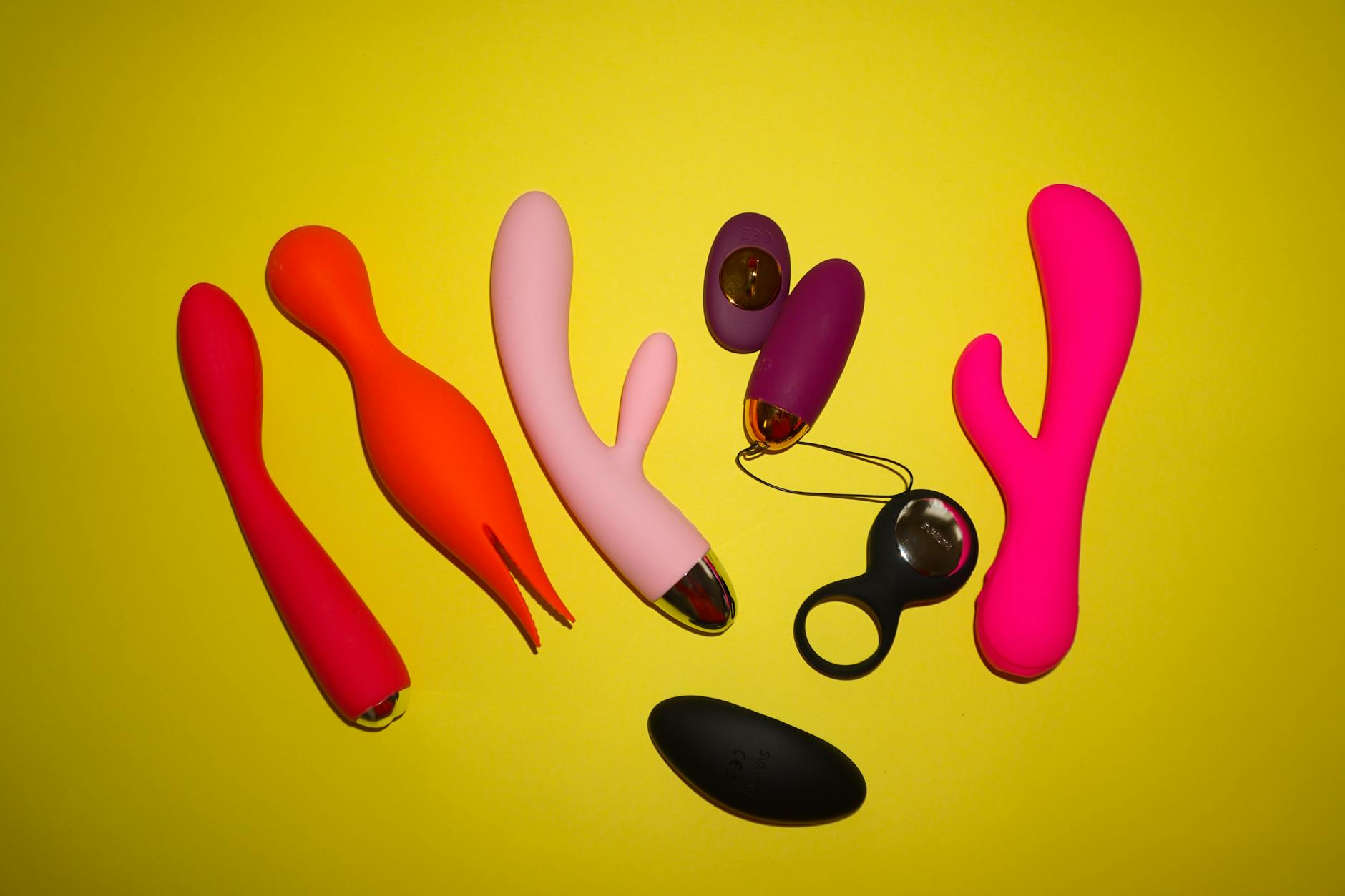
When your body stops talking back
You're right there. Close. And then nothing. Not pain, not discomfort. Just blankness. Like someone turned down the volume on the one nerve cluster that's supposed to feel everything.
Clitoral numbness is wildly common, rarely discussed, and almost never the fault of your body. It's usually a response to one of five things: overuse of the same vibration pattern, nerve compression from pelvic floor tension, desensitization from certain medications, repetitive microtears from friction, or sometimes just accumulated fatigue from years of going after sensation with the wrong tool. The good news? It's reversible. And how you rebuild it matters.
Why it happens (and it's not what you think)
The clitoris has roughly 8,000 nerve endings packed into a space the size of a pea. It's wired for intensity. But intensity has a cost: adaptation. When you expose a nerve to the same stimulus repeatedly (say, the same vibration pattern from a traditional vibrator, night after night), the nerves stop firing as enthusiastically. They're not broken. They're protecting themselves. It's called habituation, and it's a feature, not a bug.
Two other mechanics often stack on top of this. First, friction. If you've been using a traditional vibrator with direct contact on the clitoris, microtears can accumulate in the epithelial tissue. The body responds by toughening up that area, which paradoxically makes sensation duller. Second, pelvic floor clenching. Many people tense the pelvic floor unconsciously during sex. Over time, this creates tension that compresses the pudendal nerve, which supplies sensation to the clitoris. Compression plus habituation equals a dead zone.
Hormonal changes (menopause, certain birth controls, some antidepressants) can also numb sensation by thinning tissue or changing blood flow, but the mechanism is the same: reduced nerve responsiveness.
How air-suction tools break the numbness cycle
Here's the thing about suction vibrators like the Lem: they work through a completely different mechanism than traditional vibrators. Instead of direct friction or pressure, they create a gentle seal and apply rhythmic suction. This does three things that matter for numbness recovery.
First, it activates different nerve pathways. While traditional vibrators mostly stimulate the surface of the clitoris, suction draws blood into the tissue and stimulates deeper nerve networks. If your surface nerves have adapted, you're essentially waking up dormant ones.
Second, suction doesn't require direct contact. No friction means no microtears accumulating. The sealed sensation feels more diffuse, more like pressure and release rather than mechanical stimulation. For someone whose clitoris has become sensitized by friction, this is actually a relief.
Third, and this is less obvious: suction requires you to slow down. You're not hunting for the same orgasm as before. You're learning a new kind of sensation, which forces the brain and body to pay attention differently. That attention shift alone rebuilds responsiveness.
The protocol that actually works
Don't just swap your old vibrator for a lemon clitoral vibrator and expect the same result. You're retraining sensation. Here's how.
Week 1 to 2: Lowest settings only. Start on patterns 1 and 2 of the Lem. Spend 15 to 20 minutes exploring where on your vulva the sensation feels strongest. It probably won't be the clitoris at first. The sensation might show up on the labia, the clitoral hood, or even the perineum. That's okay. You're mapping what still works.
Week 3 to 4: Add pelvic floor release. Before you start, do five minutes of pelvic floor relaxation. Lie on your back, breathe into your belly, and consciously let go of tension in the pelvic floor. Some people find it helps to consciously contract and release the pelvic floor first (a few gentle squeezes, then full release). This decompresses the pudendal nerve and makes sensation way more accessible.
Week 5 onwards: Gradual intensity increase. Once you're reliably feeling something at patterns 1 and 2, move to pattern 3. Spend at least a week there before moving up. The goal is not to achieve orgasm as fast as possible. It's to rebuild the conversation between your nerves and your brain. This takes time. Don't rush it.
What kills your progress (and how to avoid it)
Three mistakes I see constantly with people rebuilding sensation.
First: jumping back to traditional vibrators. I get it. Suction feels weird at first. But going back to what numbed you in the first place resets the clock. Stick with one tool for at least six weeks.
Second: assuming orgasm is the goal. During recovery, forget about orgasm. Your job is to feel sensation, any sensation. Pleasure that isn't tracked by climax is still pleasure, and it's what rebuilds nerve responsiveness. Many people report that after a few months of sensation-focused exploration, orgasms come back stronger than they were before numbness started.
Third: ignoring the pelvic floor. Tension is invisible but powerful. Even if you're using the right tool, if your pelvic floor is clenched, you're fighting yourself. A pelvic floor physical therapist can make the difference between six months of progress and two months. It's worth the investment.
When sensation comes back (and what to expect)
Most people notice something in two to four weeks. Not always orgasm. Sometimes just a tingling. Sometimes a return of the feeling of anticipation. The nervous system is lazy. It takes repetition to rebuild pathways.
Honestly though? The first time you feel the clitoris wake up after numbness, it's wild. Not necessarily more intense than before, but different. More diffuse. Sometimes more localized. Definitely more interesting because you're paying attention.
The full return of sensation (where you feel like you did before numbness) typically takes three to six months. If you've been numb for years, it might take longer. That's not failure. That's just the timeline for neural plasticity.
FAQ
Can you use a regular vibrator while recovering from clitoral numbness?
Technically yes, but I wouldn't. Traditional vibrators rely on the same direct friction and pressure that likely caused the numbness in the first place. You're not breaking the cycle, you're extending it. Suction vibrators activate different nerve pathways and don't require direct contact, which is why they're so effective for sensation recovery. Save the traditional vibrator for after you've rebuilt baseline sensitivity.
Does pelvic floor tension really cause clitoral numbness?
Absolutely. The pudendal nerve, which supplies sensation to the clitoris, runs through the pelvic floor. Chronic tension in that area compresses the nerve and reduces sensation. It's one of the most underdiagnosed causes of numbness. A pelvic floor physical therapist can assess whether tension is a factor for you.
How long until I can have orgasms again?
Varies wildly. Some people notice returning sensation within two weeks and orgasm within six to eight weeks. Others take three to six months. The timeline depends on how long you were numb, what caused it, whether you address pelvic floor tension, and how consistently you use the right tool. The key is patience. Pushing for orgasm before sensation has fully returned often triggers frustration and can actually slow recovery.
Will sensation ever feel the same as it did before numbness?
Different, not worse. Many people report that once sensation returns, it feels richer and more nuanced than it did before numbness. You've retrained your nervous system to notice subtler stimulation. That's actually an upgrade. Don't expect an exact replica of what came before. Expect something better.
Is numbness a sign that something is medically wrong?
Not always. Most clitoral numbness is mechanical (friction, tension, habituation) and reversible. But some medications (certain antidepressants, blood pressure meds, some hormonal birth controls) can numb sensation systemically. If numbness appeared after starting a new medication, talk to your doctor. They might adjust your dose or try a different option. If it's mechanical, the protocol above works. If it's medication-related, medication change plus sensation retraining together is the fastest path back.
Can you rebuild sensation without a suction vibrator?
Suction vibrators are the most efficient tool because they activate different nerve pathways and don't require direct friction. But other approaches can help: pelvic floor physical therapy, mindfulness and sensate focus exercises, partner exploration with hands and touch, or lower-intensity traditional vibrators (patterns 1-2 only, limited frequency). The key is consistency and patience. Suction just tends to accelerate the process significantly.
The move forward
Clitoral numbness feels permanent when you're in it. I promise you it's not. Your body hasn't forgotten how to feel. The nerve endings are still there. They just need a different stimulus and a slower approach to wake back up. A lemon clitoral vibrator like the Lem is built exactly for this: activation without friction, sensation without assault, recovery without pressure. Give it six weeks of consistent use at low patterns plus pelvic floor attention. Most people see significant improvement by week four. Some take longer. Either way, you're worth the investment. Your pleasure matters. And it's coming back.