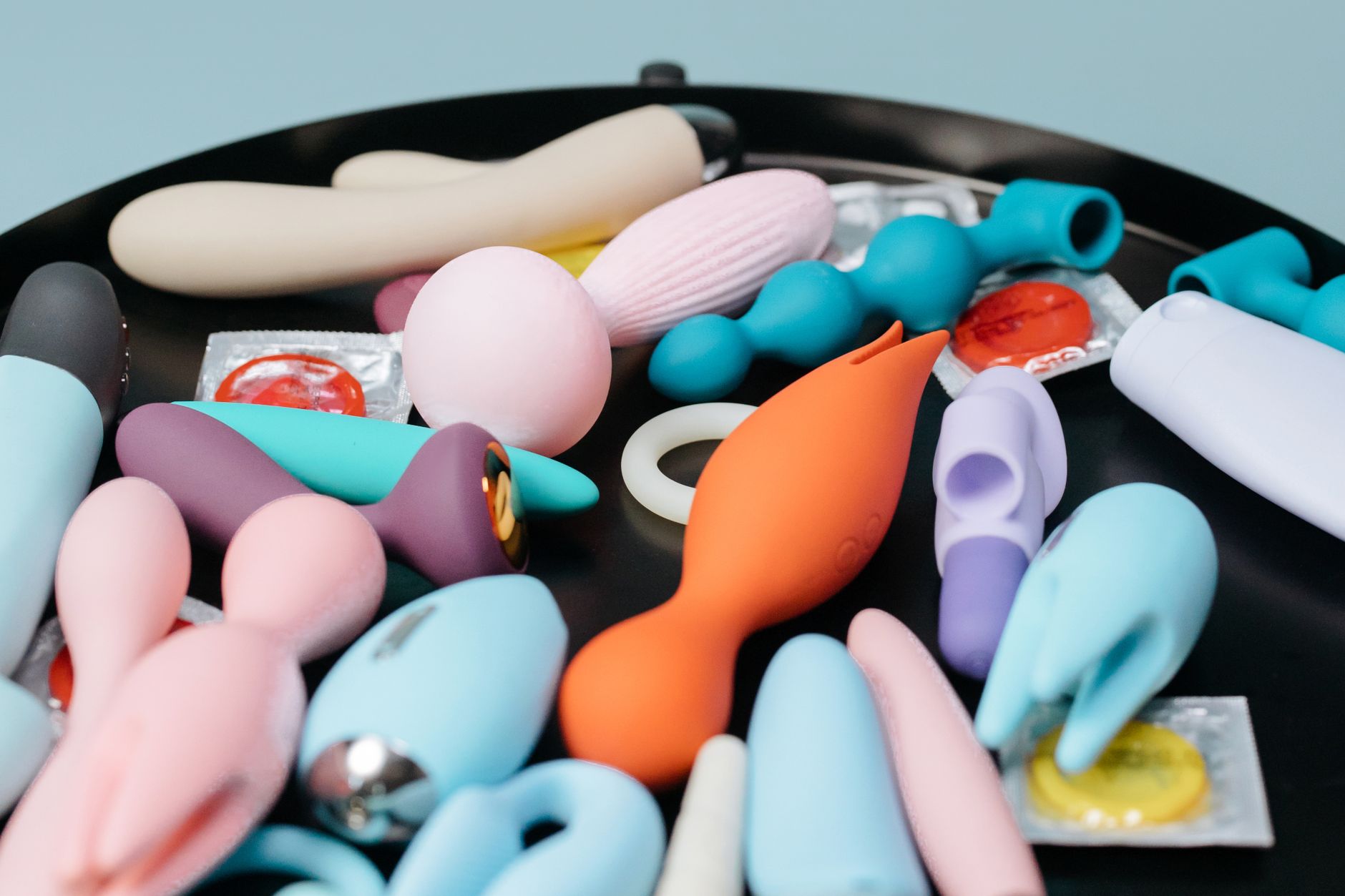
Here's what no one tells you about sensitive bodies
Not all pleasure works the same way. For some people, a clitoral vibrator feels like joy. For others, especially those with trauma history, anxiety disorders, or naturally heightened sensory processing, the same device can feel overwhelming, painful, or triggering. The difference isn't weakness or damage. It's nervous system wiring.
I work with couples where one partner wants to explore vibrators and the other has vaginismus, past sexual trauma, or just skin so sensitive that regular touch sometimes feels like pressure burns. The good news: lemon vibrators and other air-suction clitoral toys are often gentler entry points than traditional vibrators because they work through gentle pulsing suction rather than direct mechanical friction.
Let me walk you through how to introduce them safely.
Understanding sensitive bodies first
Sensitivity isn't one thing. It's a spectrum with different causes.
Trauma-related sensitivity. The nervous system is stuck in protection mode. Touch, even gentle touch, can trigger a freeze response or flashback. The body hasn't learned it's safe yet.
Sensory processing sensitivity. Some people's nervous systems process physical sensation more intensely. A vibration that feels pleasant to one person feels chaotic or painful to another. This is neurological, not psychological.
Vaginismus. Involuntary muscle contraction in response to penetration or pressure. Often rooted in anxiety, past trauma, or medical history.
High anxiety baseline. When someone runs hot on cortisol, their body guards pleasure like it's a threat. The nervous system treats arousal the way it treats a car alarm—something to suppress.
Each of these requires a slightly different approach.
Start way before the toy
This is the part most people skip, and it's why they fail.
Before a lemon vibrator or any vibrator touches the body, the nervous system needs to believe safety is real. That takes time. Weeks, sometimes months. I know that sounds slow. It is. It also works.
Start with three non-sexual conversations.
Conversation one: the why. Ask your partner what draws them toward exploring this. If the answer is "you want me to" or "I feel broken for not being into it," pause. Pressure kills pleasure. The motivation has to be theirs, or the body won't cooperate.
Conversation two: the fears. Ask directly: What are you afraid will happen? Pain? Being seen? Losing control? Not being able to stop? Triggering a memory? Don't minimize. Write them down. You're mapping the nervous system's actual threat map, not the rational one.
Conversation three: the pace. Say out loud: "We go at your speed. If you say stop, we stop immediately. No questions, no persuasion." And mean it. The body learns safety through repeated experiences of being heard and respected.
The first time you introduce the actual toy
Here's what matters: no pressure, low stakes, full autonomy.
Make it visual first. Show them the toy outside the body. Let them hold it. Watch how their face changes. Some people relax when they see how small and unthreatening a lemon vibrator actually is. Others tense up. Both reactions are useful information. Talk about what they see and feel.
Use it on a non-sexual part of the body first. The inner arm works well. Turn it on the lowest setting. Let them feel the sensation completely divorced from performance or pleasure. The goal isn't arousal. It's just "this is what the sensation is like when my nervous system isn't already activating threat responses."
Keep the first session under 5 minutes. Nervous systems get tired. Stop before discomfort sets in. "That was great, thank you" is the only goal.
Building tolerance and trust
Once the body has felt the vibrator in a low-stakes context, you can inch closer to pleasure territory.
Layer in relaxation first. Before anything sexual happens, spend 15 minutes on nervous system settling. A warm bath, progressive muscle relaxation, breathing together, a massage. The goal is parasympathetic activation. When someone's nervous system is calm, their capacity for sensation changes dramatically.
Start external and distant. Place the lemon vibrator on the outer labia or inner thigh. Not the clitoris yet. Keep settings low. The job is to let the body get used to sensation and arousal happening in that zone without the pressure of performance.
Give full control to your partner. They hold the toy. They choose the pressure, the placement, the duration. If you're controlling it, you're controlling their safety. Their nervous system knows the difference.
Name what's happening out loud. "Your breathing is deepening." "I see your shoulders relaxing." "You're in charge, and I'm here with you." Narration interrupts catastrophic thinking and anchors someone in the present moment.
What to do if things go sideways
Freeze response. Flashback. Overwhelming sensation. Pain that wasn't expected.
If any of these happen, here's the move: stop immediately. No "just one more second." No "we were almost there." Stop means stop.
Then: "I'm here. You're safe now. What do you need?"
Let them set what comes next. Tissues. A glass of water. To be held. To be left alone for a bit. To talk about what triggered. Listen without fixing or reassuring. The nervous system believes actions, not words.
Don't try again that day. Give it a week. When you do circle back, do it smaller than last time. Your partner's nervous system just learned that sensation led to overwhelm. You're teaching it step by step that it can be safe.
Why lemon vibrators specifically work well for sensitive partners
Air-suction clitoral toys like the Lem use gentle pulsing suction instead of direct vibration. For sensitive bodies, this matters because:
Direct vibration can feel chaotic and overstimulating to nervous systems running high on vigilance. Suction feels more rhythmic and contained. The sensation is also more diffuse. It's not concentrated on a single point, which can help bodies that experience touch sensitivity as pressure.
You can start with the lightest suction setting and work up. Many sensitive partners find patterns 2 or 3 on a lemon vibrator feel manageable where pattern 1 would be too intense on a traditional vibrator.
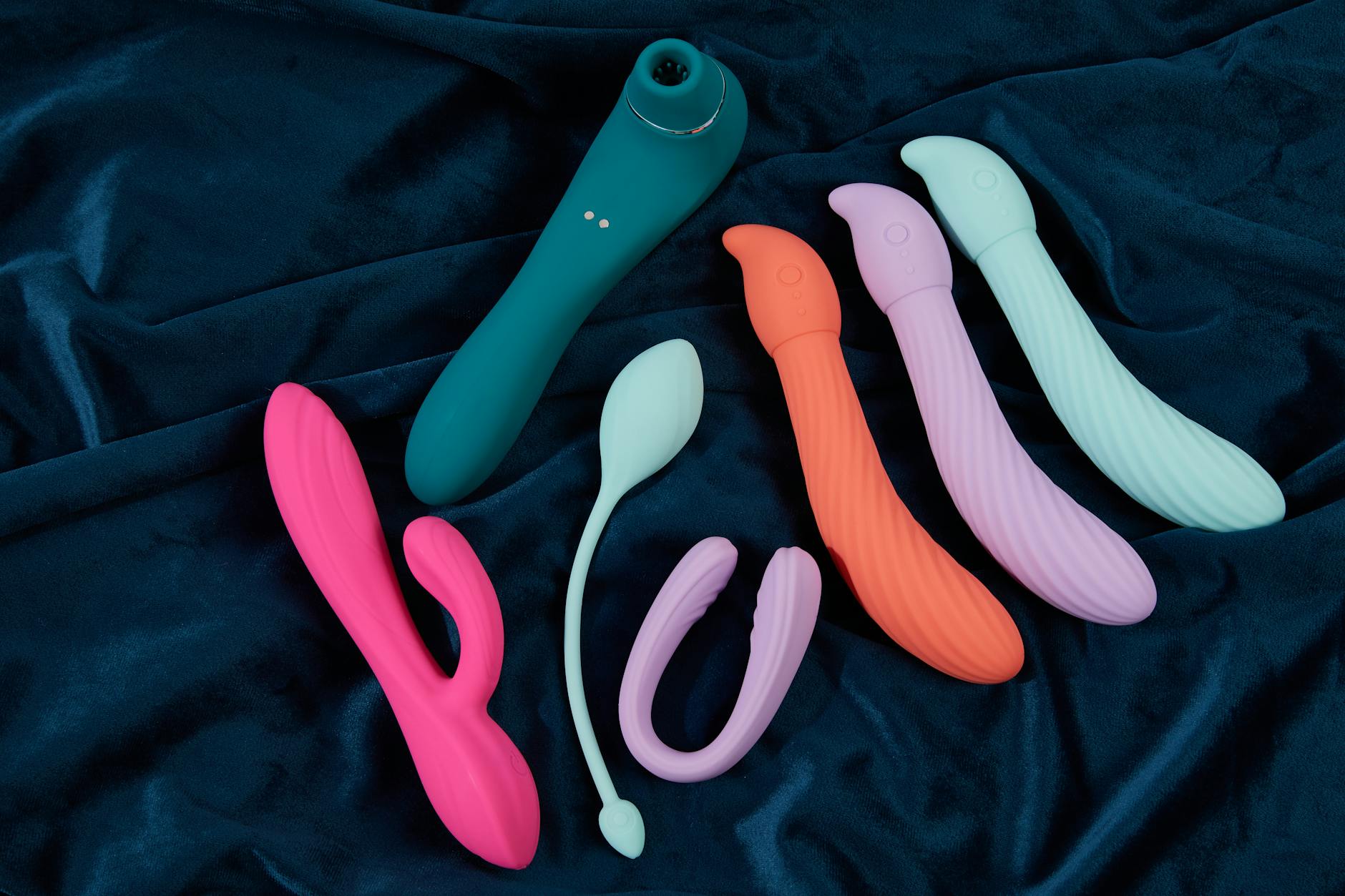
Photo by IFONNX Toys on Pexels
Communication patterns that actually work
Most couples default to "does this feel good?" in the moment. For sensitive partners, that's usually too vague or too pressured.
Instead: "On a scale where 0 is nothing and 10 is too much, what's this?"
Or: "I'm going to move the toy slightly to the left. Tell me if that feels better, worse, or the same."
Or: "I'm going to lower the intensity. Let me know what shift you notice."
These are specific and observable. They take pressure off the sensitive partner to perform enthusiasm and give them something concrete to notice.
Post-session, ask: "What surprised you?" Not "did you like it." People with trauma or anxiety often can't access "like" immediately. But they can usually name what was unexpected.
When patience becomes its own kind of intimacy
Using a clitoral vibrator with a sensitive partner isn't foreplay. It's a whole different category of togetherness. You're learning their nervous system. You're proving that pleasure doesn't require forcing the body into compliance. You're building trust through your willingness to go slowly.
Some sensitive partners eventually get comfortable with vibrators. Some don't. Both outcomes are fine. The real win is that they learn their body doesn't have to be fixed, and that you're willing to explore pleasure on their terms.
For more on how to choose the right vibrator for your body, our lemon vibrators complete guide breaks down sensations and settings in detail.
People also ask
Can you use a lemon vibrator if you have vaginismus?
Yes, but external only. Vaginismus is involuntary muscle contraction, usually triggered by anything entering the vagina. A lemon vibrator works beautifully on the external vulva and clitoris. Start with the lightest setting, focus on relaxation before use, and let your partner maintain control. Many people with vaginismus find that external pleasure tools help them eventually feel safer with internal sensations, but that's not guaranteed or required.
What if a vibrator causes flashbacks or panic?
Stop immediately and let your partner guide what happens next. The body has associated vibration with threat. That's useful information. Work with a trauma-informed therapist alongside physical exploration. Some people benefit from EMDR or somatic experiencing therapy before reintroducing vibrators. Others do better with a longer timeline. There's no universal fix.
Is there a vibrator that works best for anxiety?
Air-suction vibrators like lemon clitoral vibrators tend to feel less overwhelming because they provide rhythm and containment rather than diffuse vibration. The pattern-based pulsing also gives anxious brains something predictable to focus on. Start on pattern 1 or 2, always. Let your partner control the pace. Predictability calms nervous systems.
How long does it take for a sensitive partner to get comfortable?
Weeks to months. There's no shortcut. Some sensitive partners click with vibrators in a few sessions. Others take six months of patient introduction. Pressure to speed up makes everything slower. Patience paradoxically moves things faster.
Can lube help with sensitivity?
Yes. Water-based lube reduces friction and can make the entire experience feel less intense. It also signals to the nervous system that you're being thoughtful. Apply it generously. Reapply as needed. It's a small thing that says "I'm thinking about your comfort."
What if we do all this and vibrators still aren't for them?
Then you stop. Your partner's pleasure doesn't require vibrators. Some bodies are wired to prefer touch, temperature, or pressure over vibration. That's not failure. That's clarity. The win was learning this together without pressure or shame.
The long version of intimacy
Introducing a clitoral vibrator to a sensitive partner isn't efficient. It requires conversation, patience, nervous system awareness, and willingness to move at a pace that sometimes feels glacial. It also builds something most couples never get to: the experience of being fully known and fully respected.
Your partner's sensitivity isn't a problem to solve. It's information about how their body and nervous system work. Honor that, and you'll find that pleasure becomes not just possible, but genuinely deeper.