Here's the thing nobody tells you about bladder pressure during sex
Penetration doesn't have to feel like you're holding your breath and hoping nothing goes wrong. If you've been avoiding sex because it feels like your bladder is about to burst, you're not broken. You're not imagining it. And you don't have to keep accepting it as the price of intimacy.
Bladder sensitivity during penetrative sex is wildly common. Most people simply don't talk about it, which means most of us think we're alone in this. We're not. What makes this fixable is understanding what's actually happening and choosing pleasure pathways that don't trigger the problem in the first place.
Why your bladder feels that pressure in the first place
Your bladder sits directly behind your pubic bone, nestled below the uterus (if you have one). When a partner penetrates, they're applying pressure to the entire pelvic structure. For some people, that pressure registers as urgent bladder sensation even if the bladder isn't actually full.
Several things amplify this:
A full bladder to begin with. Hydration is good, but having sex when you're genuinely full creates unnecessary pressure. Empty before sex. I know this sounds obvious, but a lot of people skip this step because they're anxious about things feeling dry.
Pelvic floor tension. When we're stressed or anxious, the pelvic floor muscles tighten. A contracted pelvic floor is less forgiving of pressure, which means bladder sensation feels more intense. If you've been navigating anxiety or relationship tension, this is probably part of your picture.
The angle of penetration. Some positions apply pressure directly to the bladder neck. Others barely touch it. This is why penetration with one partner feels fine and with another feels like an emergency.
Tissue sensitivity. If your bladder lining is already sensitive from UTI history, interstitial cystitis, or even just your baseline anatomy, added pressure registers louder.
Why lemon clitoral vibrators solve this differently
Lemon vibrators, like the air-suction devices at Lem Store, work on the clitoris, which is positioned away from the bladder entirely. When you're receiving clitoral stimulation, there's zero internal pressure. Your pleasure builds through surface contact, not through invasion.
This changes everything about what's possible. You get intense orgasms without the anxiety that comes with bladder pressure. Your pelvic floor can stay relaxed, which actually makes partnered touch feel better when you do go there. And you don't have to choose between pleasure and comfort.
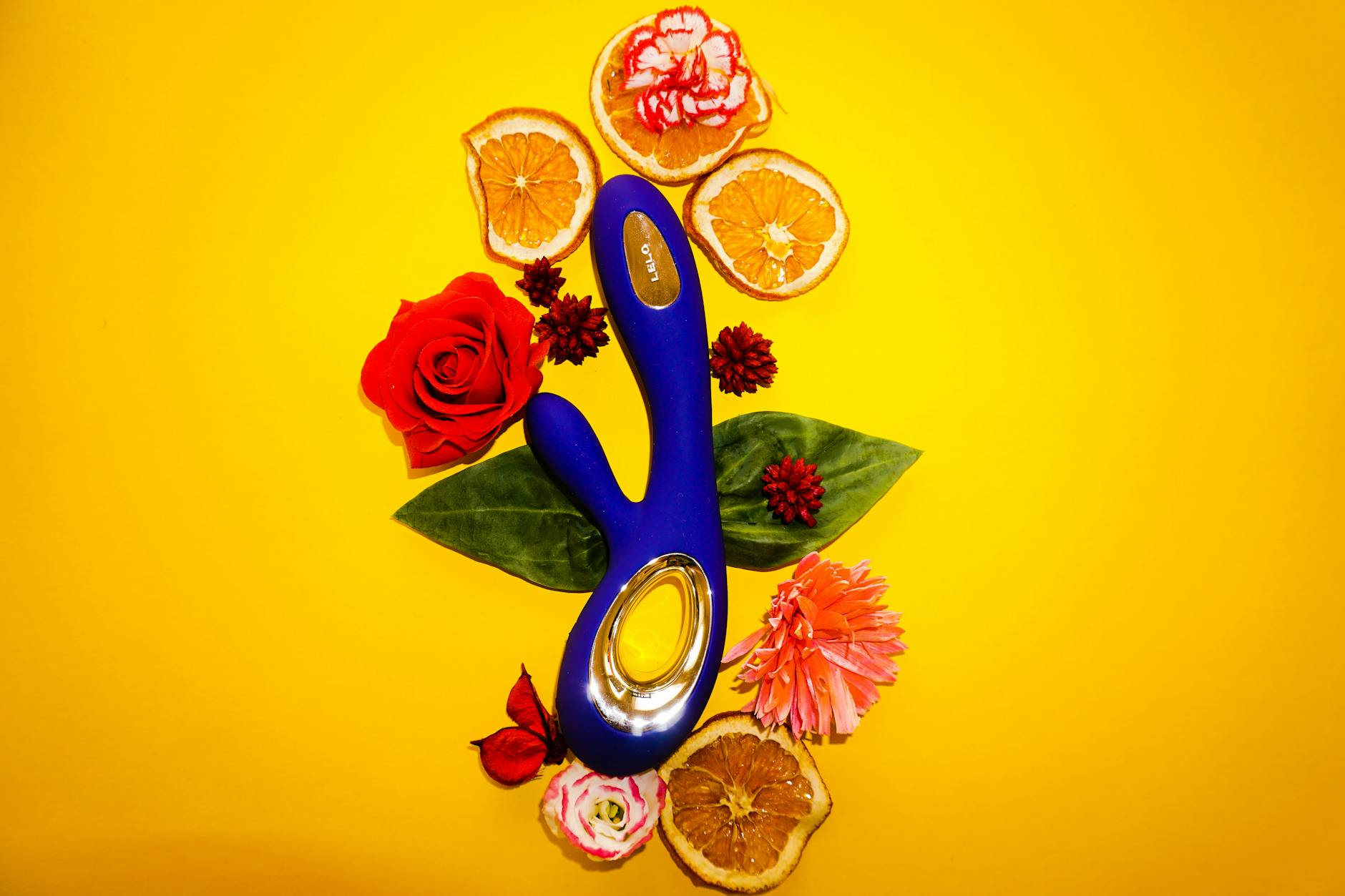
Photo by DRT.fm on Pexels
Many of my clients use a lemon clitoral vibrator as part of partnered sex, not instead of it. They'll use it during foreplay until they've had one orgasm, then transition to penetration when the pressure sensation matters less because they're already satisfied. Or they use it while their partner touches them elsewhere. Or they use it and skip penetration entirely for a session, and everyone's happy.
The point is: lemon vibrators give you options that bladder pressure takes away.
The positions that actually reduce pressure if you want penetration
If you want both clitoral stimulation and penetration without the pressure, certain angles genuinely help.
Side-by-side. You and your partner lying facing each other, one leg over their hip. Penetration is shallow and the angle pulls away from your bladder. Add a lemon vibrator for clitoral contact while they're inside you. This position is wild for this exact combination.
You on top, leaning back. This sounds counterintuitive but it's actually one of the safest angles for bladder comfort because gravity and the angle of entry reduce pressure to that area. You have control over depth, and you can position a lemon vibrator against your clitoris without your partner being in the way.
Flat on your back, legs extended. Skip the "legs over their shoulders" position entirely if it causes pressure. Straight legs keep you flatter and reduce the angle that would put pressure on your bladder.
Shallow penetration deliberately. Some partners think deeper equals better. It doesn't. Shallow penetration with clitoral stimulation is often more pleasurable anyway because the nerve-dense parts of the vaginal canal get more friction.
The conversation you need to have with your partner
Most of my clients put off talking about bladder pressure with a partner because they think it sounds clinical or unattractive. It's not. It's information that helps you both have better sex.
If you have a partner, say something like this: "When we do penetration, I get bladder pressure that takes me out of the moment. It's not about how you touch me. It's my anatomy. I want to figure this out together. Can we try using a vibrator during sex, or experiment with positions, or maybe focus on other kinds of touch for a bit?" That's it. Direct, specific, collaborative.
Partners who care about your pleasure will want to solve this. If a partner responds with "that's weird" or "just ignore it," that's information too. Your comfort during sex matters. Full stop.
If you're exploring solo pleasure, none of this applies. Use a lemon clitoral vibrator exactly as designed and don't manage anyone else's expectations. This is just for you.
The other factor people miss: pelvic floor relaxation
Pelvic floor tension makes bladder pressure worse. When those muscles are contracted, pressure from any angle feels more intense.
To relax your pelvic floor before sex, try this: breathe in for a count of 4, then exhale longer (6 or 7 counts). As you exhale, imagine the pelvic floor dropping like an elevator going down. Don't clench anything. Just notice the release.
Do this for 2-3 minutes before partnered sex, or just before using a lemon vibrator. You'll feel the difference immediately. When your pelvic floor is relaxed, clitoral stimulation feels better too because the entire pelvic structure is more responsive.
If pelvic floor tension is chronic (you always feel it, not just during sex), a pelvic floor physical therapist is worth a conversation. They can identify if you have hypertonia and teach you release techniques that actually work.
Hydration, timing, and the practical stuff
Empty your bladder 15-30 minutes before sex, not seconds before. This gives you time to fully empty and also be dry enough for comfort if lubrication is a factor.
Don't over-hydrate right before sex unless you enjoy the pressure sensation. Save that for after.
If you're using a lemon vibrator with a partner, communication about lubrication matters too. Air-suction clitoral vibrators like the Lem work beautifully with light to medium lubrication. Too much and the seal breaks. Too little and it's uncomfortable. Water-based lube, applied just before use, usually hits the sweet spot.
Timing also helps. If you tend to have bladder pressure more on certain days of your cycle or when stress is high, plan partnered sex for times when your baseline is calmer. This isn't avoidance. It's strategic pleasure.
When to see someone about this
If bladder pressure during sex is recent and painful, rule out UTI or early interstitial cystitis with your GP. Both are treatable, and both can make bladder sensation feel overwhelming.
If you have a history of pelvic pain (endometriosis, vulvodynia, etc.), bladder sensitivity might be part of that landscape. A pelvic floor PT can help you separate the signals and find what actually helps.
If the pressure sensation doesn't improve with positioning, relaxation, or using a lemon clitoral vibrator instead of penetration, mention it to a doctor. Sometimes there's an anatomical factor worth exploring.
Most of the time, though, the problem solves itself once you stop trying to have penetrative sex through discomfort and start building pleasure around what actually works for your body.
FAQ
Does using a lemon vibrator make bladder pressure worse over time?
No. Clitoral stimulation doesn't apply internal pressure, so lemon vibrators don't create or worsen bladder sensitivity. If anything, regular pleasure reduces pelvic tension, which can improve bladder comfort overall. The only risk is overuse causing general soreness, but that's about the clitoris itself, not bladder function.
Can bladder pressure during sex mean there's something wrong with my pelvic floor?
Not necessarily. Pelvic floor tension can amplify the sensation, and pelvic floor dysfunction is real, but simple anatomical positioning can also explain everything. The bladder's location means some people naturally feel pressure with certain angles. A pelvic floor PT can tell you definitively what you're dealing with.
If I use a lemon clitoral vibrator, will my partner feel rejected?
Only if you frame it that way. Most partners are relieved to have a solution that works. You can say: "This helps me feel better and have better orgasms. Want to watch?" Pleasure is not a zero-sum game. Your satisfaction makes everything better for both of you. Partners who are threatened by a vibrator are usually dealing with their own insecurity, not responding to anything you're actually doing wrong.
Will empty bladder sensation go away if I keep having sex through the pressure?
Sometimes. Habituation is real. But you shouldn't have to grit through discomfort for months hoping it disappears. Using a lemon vibrator or changing positions gives you pleasure right now while you're figuring out the rest. That's not compromise. That's smart.
Is bladder pressure during sex more common after childbirth or pelvic surgery?
Yes. Pregnancy changes pelvic anatomy, and recovery changes tissue. After childbirth or surgery, everything is in slightly different places, and sensation can feel different. If this is new for you post-birth or post-surgery, give yourself 6-8 weeks, then try the positioning and relaxation strategies here. If it persists beyond that, a pelvic floor PT who specializes in postpartum recovery is worth the investment.
Can I use a lemon vibrator while my partner is inside me?
Absolutely. Side-by-side position with you on top leaning back both work beautifully. Some people use a small vibrator held in place during penetration, though you need to find the angle that doesn't apply pressure. The appeal is that you get clitoral stimulation without the bladder sensation because the internal angle is shallow and the pressure is on the clitoris, not internally.