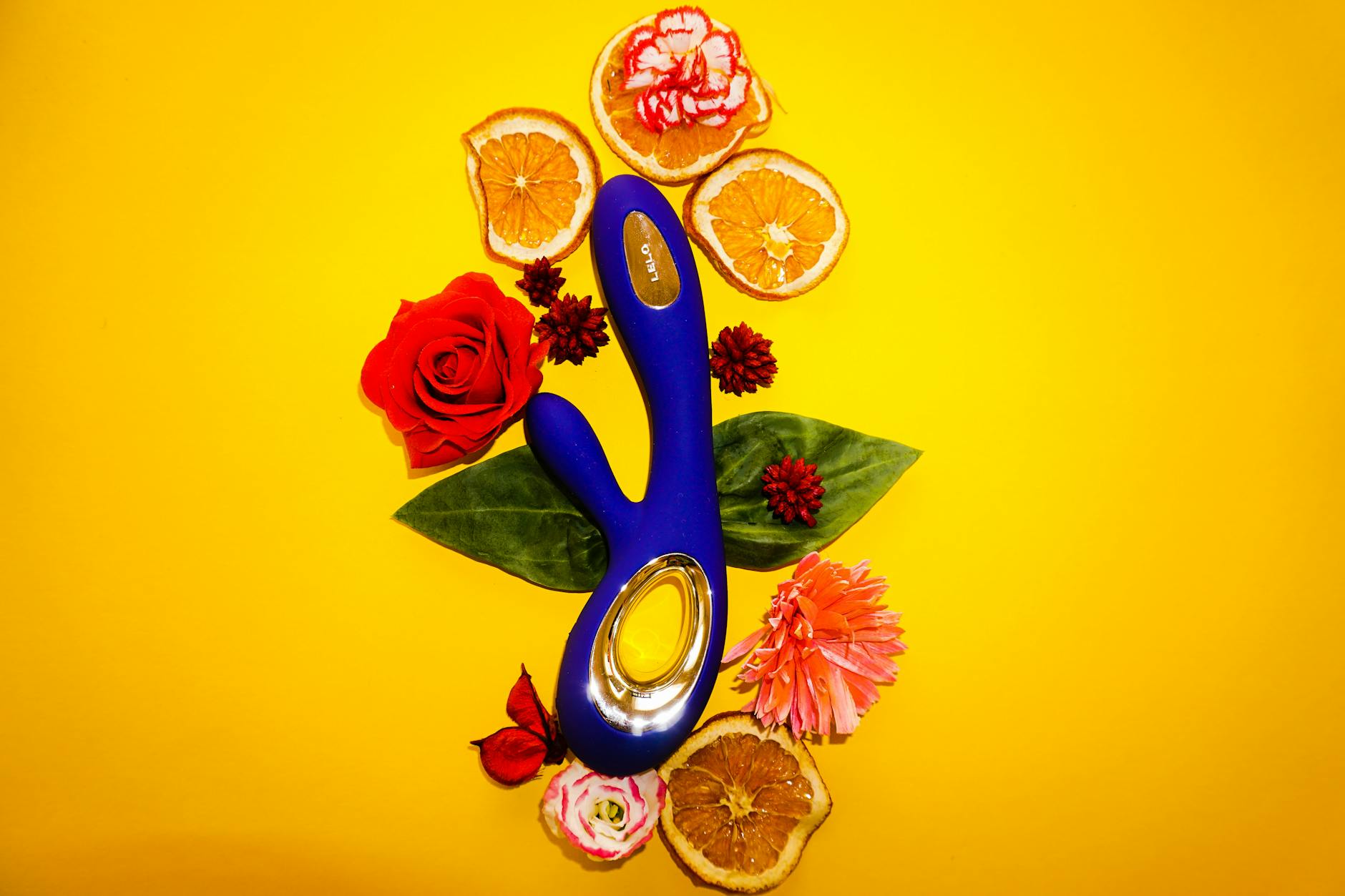
Why pelvic pain changes everything about pleasure
Pelvic pain is a full-body experience. It rewires your brain's relationship with your genitals. Long after the physical pain subsides, your nervous system stays on alert. You touch yourself and expect it to hurt. Your partner initiates and your body tenses, even though the original source of pain is gone.
That's not weakness. That's neurology.
The good news: pleasure is absolutely recoverable. But it requires a different approach than what worked before. Lemon vibrators, especially suction-based ones like the Lem, offer something unique during recovery. They stimulate without the intense friction that can trigger pain memory or physical sensitivity. Understanding how to use them deliberately is what separates a restart from a false start.
What pelvic pain actually does to arousal
Pelvic pain teaches your body to protect itself. The pelvic floor tightens. Blood flow gets redirected away from pleasure pathways toward protection. Touch that normally feels good becomes something to brace for. Even months into recovery, when imaging shows everything is healed, your nervous system doesn't quite believe it yet.
There's also the shame piece. Pain during sex creates a story you tell yourself about your body being broken. That story doesn't vanish when the pain does. Rewriting it takes intention.
When you use lemon vibrators during recovery, you're not just seeking sensation. You're teaching your nervous system that this area is safe again. Suction stimulation does this particularly well because it's diffuse and non-invasive. It wakes up nerve endings without demanding anything of your pelvic floor.
Starting with the gentlest settings
If you're returning to pleasure after pelvic pain, begin at setting 1 on the Lem. Full stop. This is not conservative. This is honest. Your nervous system needs to remember before it can accelerate.
Spend two or three sessions just on the gentlest setting. Twenty minutes, alone, zero pressure to orgasm. The goal is sensation recognition, not climax. Notice what you feel. Is it warmth? Tingling? A gentle pull? Does it feel safe? Your brain needs data before it can relax.
Many people want to skip this step. Don't. The temptation to rush back to "normal" intensity is strong, but normal caused the pain. You're building a new normal.
The role of breathwork during recovery
Your pelvic floor has memory. When you approach arousal, it braces automatically because it remembers pain. Breaking this reflex happens through breath.
Before you use any clitoral vibrator, spend five minutes breathing. Inhale for four counts. Hold for four. Exhale for six. This simple pattern tells your nervous system that there's no emergency. That you're safe. Do this breathing while using the vibrator on its lowest setting. Your body will start to unclench.
As you progress to higher settings, keep returning to breath. If you notice your pelvic floor tightening during pleasure (which is common after pain), pause. Breathe. Then continue. You're retraining your body's automatic responses.
Building back to longer sessions gradually
Your nervous system processes recovery in stages. Week one might be five minutes of exploration on setting 1. Week two, maybe ten minutes, introducing setting 2 briefly. Week three, you might sustain setting 2 for the full session.
This timeline is not slow. It's appropriate. After pelvic floor tension issues, many people find that gradual progression prevents the boom-bust cycle where they push too hard, trigger old pain patterns, and then avoid the vibrator for months.
Your nervous system is learning trust. That takes repetition. Predictability. Safety.
Why suction feels different during recovery
Traditional vibrators use percussion. They buzz. That vibration, while pleasurable for many, can sometimes activate protective responses in people recovering from pelvic pain because the repeated stimulation mimics the sensation of pain patterns.
Suction works differently. It creates a gentle pressure change that stimulates nerve endings without the same percussive quality. For recovery, this often feels less threatening to the nervous system. The Lem's suction mechanism pulls gently on the clitoral area, creating sensation that's diffuse rather than concentrated.
If you find yourself tensing with traditional vibrators, try a suction-based clitoral vibrator. The shift in sensation often allows your body to relax more fully.
When to involve your partner in recovery
If you're partnered, your partner's patience during recovery matters more than their participation. Here's the distinction.
Your early solo sessions with the Lem should stay solo. This is about your nervous system recalibrating, not about performance. Once you've reached setting 3 or 4 comfortably over several weeks, you can introduce your partner as an observer or light participant.
Communication is non-negotiable. Tell your partner: "I'm using this tool to rebuild sensation. I'm not ready for penetration, and I might ask you to pause if I need to breathe." This removes the guessing game. Your partner becomes a support instead of a potential trigger.
Tracking what triggers old pain patterns
Some people find that certain positions, times of day, or emotional states reactivate pain memory. You notice this and adjust. That's not failure. That's information.
Keep a simple note: time, setting used, how long, and how your body responded. After two or three weeks, patterns emerge. Maybe setting 3 on a Sunday morning triggers a flicker of old discomfort, but Wednesday evenings after a walk feel fine. Maybe the Lem feels safer than fingers, which used to hurt.
Share these observations with your healthcare provider if you're working with a pelvic floor physical therapist. This data helps them understand your recovery arc.
When penetration feels safe again
Some people won't return to penetration. Some will. Neither is the goal of recovery. The goal is choice. You want to be able to receive touch without your nervous system going into protection mode.
When you're ready to explore penetration, start there too with gentleness. A finger, maybe. No vibration yet. Notice your breathing. Notice your pelvic floor. If it feels safe, great. If it triggers protective responses, pause. You're not broken. You're just learning the boundary.
For many people, lemon vibrators remain their primary tool even after full recovery. Suction stimulation feels better than traditional vibration. That's fine. Your pleasure doesn't need to look like it did before pain.
The emotional side of recovery that matters most
Physical healing and nervous system recalibration are clinical. But emotional recovery is just as real. You spent time believing your body was damaged. Rebuilding that belief takes consistency.
Every time you use the Lem on a gentle setting and feel pleasure without pain, your brain files that away. This is new data. This contradicts the old story. Over weeks and months, the new story becomes stronger.
This is why solo sessions matter. You're not performing. You're not managing someone else's response. You're just there with your body, learning to trust it again. That's revolutionary after pelvic pain.
People also ask
How long after pelvic pain treatment can I use a vibrator?
Check with your healthcare provider, but typically three to four weeks after pain resolves is reasonable for gentle exploration. That said, "pain is gone" and "nervous system is reset" aren't the same thing. Start on the absolute gentlest setting and progress slowly. If pain returns, pause and circle back with your provider. There's no race here.
Can suction vibrators trigger pelvic pain again?
Suction vibrators like the Lem are generally gentler than traditional vibrators because they don't use percussion. That said, any stimulation can trigger protective responses if you rush the timeline or ignore your body's signals. Stay on lower settings for longer than feels necessary. Build gradually. If you notice pain, stop immediately.
What if I feel pain during recovery using the Lem?
Stop. Pain is information. It's not failure. Pause that session. Breathe. Do some gentle stretching. If pain returns consistently at a certain setting or frequency, your nervous system isn't ready for that level yet. Drop back a setting and spend more time there. Pain during recovery usually means the progression was too fast, not that vibrators are off-limits.
Should I tell my partner I'm using a clitoral vibrator for recovery?
If you're partnered and planning to eventually include your partner in pleasure, yes. It's not about permission. It's about transparency. A simple opener: "I'm using this tool to help my body feel safe again after the pain. I want to rebuild sensation on my own timeline." This prevents misunderstandings and actually deepens trust because you're being honest about what you need.
How do I know when I'm ready to progress to the next setting?
You can sustain the current setting for a full session without pain, without excessive tensing, and without triggering old pain memories. You feel genuinely interested in more sensation, not pressured toward it. When you've checked both boxes for two or three sessions, you're ready. Slow is the right speed here.
Can I use lube with the Lem during recovery?
Absolutely. Water-based lube reduces any friction and can make suction feel even gentler. Some people find that lube creates a better seal for the Lem's suction mechanism, which can actually improve the experience. Try it and see what your body prefers.
The bottom line
Pelvic pain changes your relationship with pleasure. Recovery isn't about forgetting that happened. It's about building new neural pathways where pleasure is possible again. Lemon vibrators, especially suction-based ones, are tools for that rebuild because they offer sensation without aggression.
Your nervous system learns through repetition and safety. Week one feels slow. Week four feels like progress. Week eight feels like you're reclaiming something. That's the arc of actual recovery. Trust it. If you're struggling with the emotional side of returning to pleasure, reaching out to talk through your specific situation can help clarify your next steps.