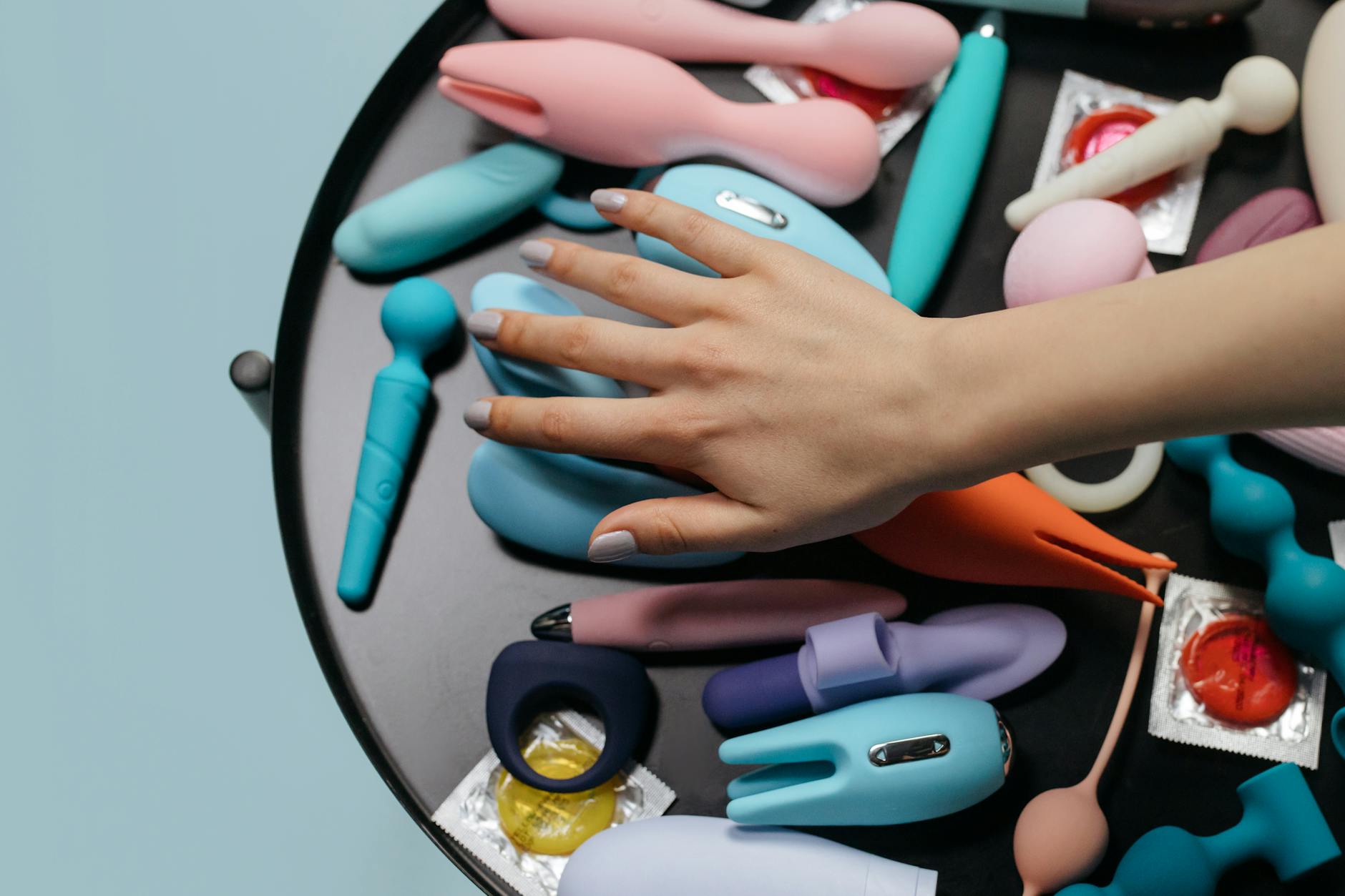
Here's what nobody tells you about coming back
Long sexual pauses happen for a thousand different reasons. Grief. Medication changes. A relationship ending. Burnout. Surgery. Trauma. Sometimes it's years. Sometimes it's months that feel like years. And then at some point, you want to feel that again. Not because you should. Because you want to.
The tricky part isn't wanting it. It's the gap between wanting and being able. Your nervous system has learned that this part of you isn't active right now. Your body feels a little unfamiliar. Sensation might feel muted or even weird at first. That's not broken. That's what happens when pleasure goes into hibernation.
What happens in your body after a long pause
Your clitoris doesn't disappear or stop working. But your nervous system does enter a kind of low-power mode. The tissues stay healthy, but the neural pathways that fire during arousal become less reactive. It's like a dormant garden. Everything is still there. It just needs water and sunlight to wake up.
When you've been away for a while, several things shift. Arousal takes longer to build. Sensation feels less obvious at first. Your pelvic floor might be holding more tension than usual because your body literally braced itself. And psychologically, there's often a layer of self-consciousness or doubt layered on top. "Will this still work for me? Am I doing it right? What if I can't come anymore?"
That mental noise is bigger than the physical part, honestly. Your brain is the largest sexual organ you have.
Why lemon vibrators work especially well for restarts
Lemon clitoral vibrators use suction and pulsing rather than direct vibration. This matters a lot when you're restarting. Here's why:
They're gentler than expected. You don't need your tissue to be at peak sensitivity to feel the effect. Suction draws blood flow to the area even when sensation is dampened. You get stimulation even when everything feels quiet.
The sensation is different enough to feel new. If you used traditional vibrators before, a lemon sucker feels genuinely novel. Your nervous system wakes up faster when something feels interesting rather than familiar.
You can start incredibly low. The Lem Store's clitoral vibrators usually have multiple intensity levels. Starting at pattern one feels almost playful. There's no pressure to go deep.
The pulsing rhythm does some of the work for you. You don't have to generate arousal alone. The rhythm meets you halfway.
The restart protocol: what actually helps
I recommend a four step approach for people coming back after a long pause.
Step 1. Start with curiosity, not pressure. Set aside time, but not with the goal of orgasm. Just explore what sensation feels like right now. Touching yourself, maybe with some lube, learning what your body wants. This sounds basic, but most people skip it and jump straight to the vibrator, which loads expectation into the equation.
Step 2. Use a lemon vibrator at the lowest setting for short sessions. Two to five minutes is genuinely enough. Hold the Lem Store vibrator on the gentlest pattern and just feel what happens. Your goal is "did that feel something" not "did I come." Seriously. This changes the pressure calculus entirely.
Step 3. Build frequency before intensity. Use it three to four times a week at the same low setting for at least two weeks before you touch the intensity dial. You're teaching your nervous system that pleasure is reliable and safe again. Repetition builds the pathway faster than intensity does.
Step 4. Add mental space. Stop checking your phone. Stop watching something in the background. Give your brain permission to be here. Arousal is impossible when you're also mentally at work or scrolling. The lemon clitoral vibrator works fastest when you're actually present.
When it feels weird or numb at first
That numbness is normal. Your clitoris has around 8,000 nerve endings. They don't all light up at once when you're coming back from a long pause. It's more like a slow fade in. Some of those nerves wake up faster than others.
If you feel almost nothing in the first few sessions, that's okay. Actually, it's expected. Your brain is checking to make sure this is safe before it sends full signals. Keep going. Don't crank the intensity. That usually backfires and makes sensation feel even more muted because you're now also frustrated.
If after four weeks of regular use at low intensity you still feel almost nothing, and this is different from your baseline before the pause, that's worth mentioning to your doctor. But honestly, most people start feeling something around week two or three.
The emotional layer is real
Restarting sexually often comes tangled with other feelings. Shame that you took a break. Worry that you've changed. Fear that it won't feel like it used to. Sometimes grief about time lost. Sometimes relief that you're alive enough to want this again.
None of that is separate from the physical. Your nervous system holds emotions. If you're using the lemon vibrator and feeling stuck, pausing to cry or journal or just sit with it for ten minutes isn't a failure. It's information.
If you're restarting with a partner, this is also the moment to talk. Not during sex. Before. Tell them you're rekindling this part of yourself. Tell them you might feel awkward. Tell them what you need from them. That might be space. That might be them present beside you. That might be them using a toy with you. Figure it out in conversation, not in the moment.
Practical tips that actually help
Use water-based lube. After a pause, your natural lubrication might take longer to show up. Lube removes friction and makes sensation easier to feel. It's not a failure to use it. It's smart.
Warm up first. Spend time touching yourself, getting aroused the old-fashioned way. Then introduce the lemon vibrator. You'll feel the difference faster if you're already somewhat turned on.
Set a time limit. Give yourself permission to stop after ten minutes even if nothing happened. This removes the deadline stress that kills arousal faster than anything.
Avoid comparing this to the before times. "I used to feel this so fast" is true and also not useful right now. You're different now. Your body is different. That's not worse. It's just different. The pleasure that comes back is often deeper because you had to ask for it this time.
When to reach out for help
If you're experiencing pain, that's worth talking to a gynecologist about. Pain is different from numbness or slowness. Pain is your body saying no, and that deserves professional attention.
If you feel emotionally stuck after a few weeks of gently trying, a therapist who specializes in sexuality or trauma can help. The pause might have been connected to something bigger, and that's okay. That's what professionals are for.
If your partner is pressuring you to move faster than feels good, that's a red flag. You get to move at your pace. Full stop.
FAQ
How long does it take for sensation to come back after a long sexual pause?
For most people, noticeable sensation returns within two to four weeks of regular low-intensity stimulation. Your nervous system learns pretty quickly that pleasure is happening again. That said, full sensation and ease can take longer. Some people need two to three months before they feel genuinely comfortable and responsive. The key is consistency and patience rather than aggression. Your body isn't broken. It's just waking up slowly.
Can I use a regular vibrator instead of a lemon clitoral vibrator when restarting?
You can, but lemon suction vibrators are gentler for restarts. The suction mechanism stimulates without requiring the same level of tissue sensitivity that direct vibration does. That said, if you have a traditional vibrator and want to start there, just keep it on the lowest setting and follow the same gradual buildup protocol. The tool matters less than the approach.
What if using a vibrator brings up emotions or memories I wasn't expecting?
That's incredibly common and completely valid. Your body holds memory. If something comes up, pause. Sit with it. If it's big, talk to a therapist. If it's small, maybe journal about it. You're reawakening a part of yourself, and sometimes that awakening connects to other stuff. That's not a reason to stop. It's information that your nervous system needs to process something. Take your time.
Should I feel embarrassed if I need a vibrator to feel pleasure again after a long pause?
No. Full stop. A lemon vibrator isn't a crutch or a sign that something is wrong. It's a tool that helps your nervous system remember what pleasure feels like. Professional athletes don't feel embarrassed about using equipment. You shouldn't either. Your body gets to have whatever support it needs.
Is it normal to feel nothing at all in the first session?
Completely normal. Your nervous system is literally checking to make sure this is safe. Feeling nothing doesn't mean something is broken. It means you need more sessions, not more intensity. Keep going at the lowest setting. Your body is learning that pleasure is available and safe. That takes repetition.
Can restarting sexually help with reconnecting to my body overall?
Yes. Pleasure is one of the best ways to rebuild a relationship with your body. It teaches you that your body is yours. That sensation is available. That you deserve to feel good. Starting slowly with something like <a href="/blog/how-to-use-lemon-vibrators-when-you-feel-disconnected-from-your-body">reconnecting to your body through touch</a> can be transformative beyond just sex.
One more thing
Restarting sexually is an act of self-care and bravery. You're saying yes to your own aliveness after saying no for a while. That matters. Be patient with yourself. Your body hasn't forgotten how to feel pleasure. It's just in the process of remembering. A lemon clitoral vibrator from Lem Store can help speed that remembering along. But the real magic is your willingness to show up, slowly and without pressure, and let your nervous system learn again that pleasure is safe, available, and yours.