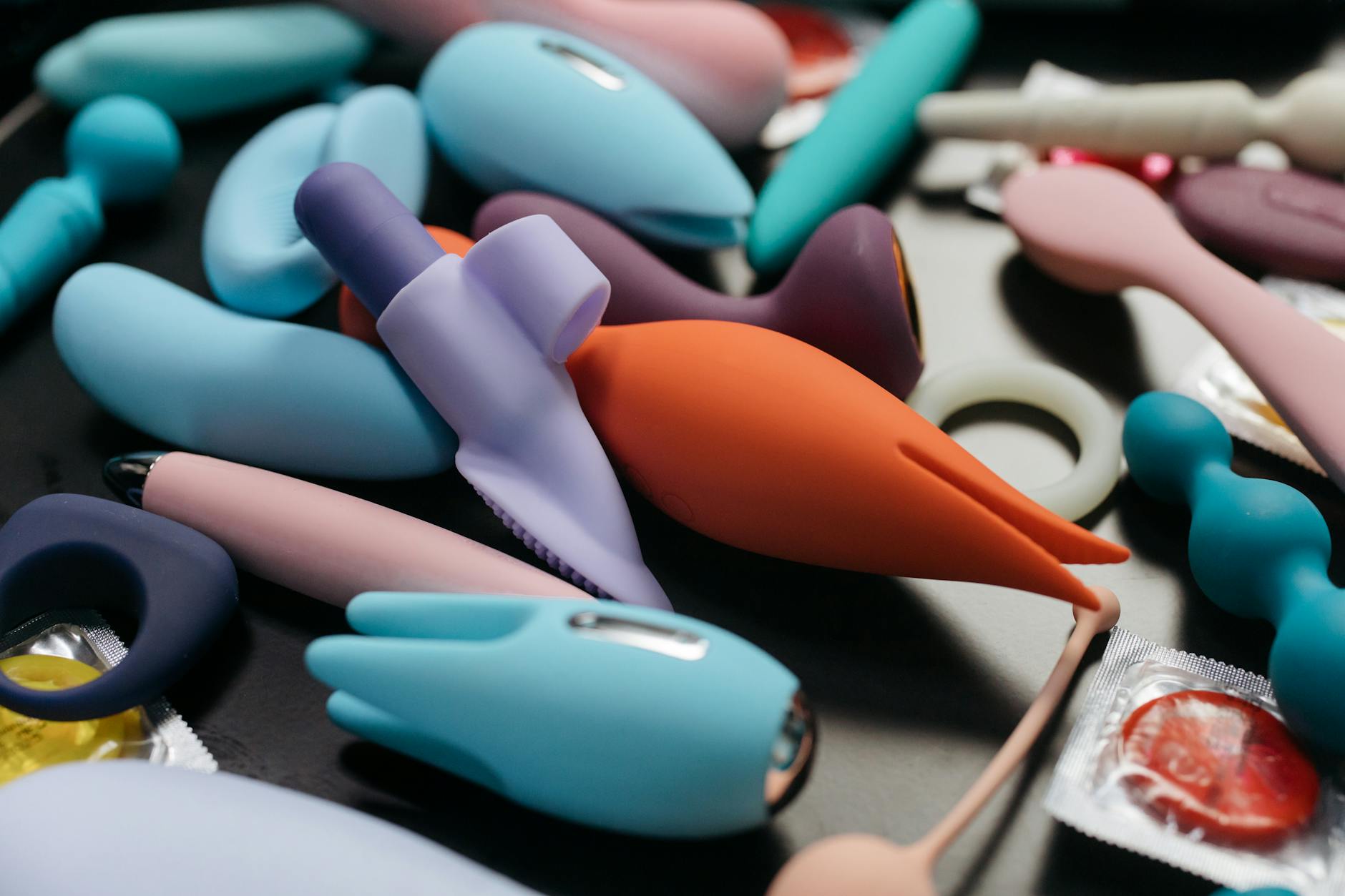
Let's talk about the thing nobody mentions in those postpartum books
Your body just pushed a entire human out. The nerves, tissue, and muscles in your pelvis have been stretched, possibly torn, maybe stitched back together. And somewhere in the recovery timeline, between bleeding, exhaustion, and keeping a newborn alive, you might notice something that doesn't usually get discussed at the six-week postpartum checkup: sensation down there feels weird. Or maybe it doesn't feel like much of anything at all.
This is postpartum numbness. It's common, it's temporary, and it's not something you broke that can't be fixed.
What actually happens to sensation after childbirth
During pregnancy and delivery, the pudendal nerve (the main sensory nerve in your genital area) gets compressed, stretched, and sometimes irritated. This is just what happens. Your body was not designed to think about pleasure during this phase. It was designed to survive and deliver.
After birth, it takes time for those nerves to recover. How much time? Weeks for some people, months for others. The timeline depends on whether you had a vaginal delivery or cesarean, whether there were tears or episiotomy, whether you experienced forceps delivery, and how your individual nervous system handles trauma and healing.
Here's what's important to know: this numbness almost always resolves. You're not permanently changed. Your capacity for pleasure is not gone. The neural pathways are intact. The tissue just needs time and the right stimulation to wake back up.
Why numbness happens more than doctors explain
There are three main reasons your genital sensation might feel muted after childbirth.
Nerve compression during pregnancy. The weight of pregnancy puts sustained pressure on the pudendal nerve as it passes through the pelvic floor. Even after delivery, it takes weeks for the swelling to go down and for nerve function to return to baseline.
Trauma from delivery. Whether you tore naturally, had an episiotomy, or experienced instrumental delivery, the tissue in your perineum has been through significant stress. As it heals, scar tissue forms and nerve endings take time to reconnect.
Hormonal suppression. Breastfeeding suppresses estrogen. Low estrogen means thinner genital tissue, less blood flow to the area, and reduced nerve responsiveness. This compounds the numbness problem, especially if you're exclusively nursing.
The combination of all three is why you might feel completely numb down there for the first few months postpartum.
When it's safe to start using lemon vibrators again
Your OB might say "sex is fine at six weeks." But fine and healing are not the same thing. Here's my honest timeline.
Weeks 0-6: No penetration, no external vibration. Your body is bleeding, swelling, and healing. This is not the time to introduce any stimulation.
Weeks 6-10: If bleeding has stopped and your doctor cleared you, gentle external stimulation is okay. But start with your hand or a partner's touch. You're not ready for vibrators yet. Your nervous system is still in recovery mode.
Weeks 10-14: This is when many people can safely introduce a gentle external clitoral vibrator. The numbness is often still present, but your tissue has enough recovery to handle stimulation. This is when lemon vibrators become genuinely useful.
Week 16 and beyond: As sensation starts returning, vibration becomes more pleasurable. What felt completely dead at week 8 might start registering at week 14. By week 20, many people notice a real shift.
Obviously this varies wildly. If you had a traumatic delivery, pelvic floor physical therapy first. If you had a cesarean, your timeline is different. Check with your doctor before doing anything.
Why lemon clitoral vibrators work when sensation is numb
The reason clitoral vibrators matter during postpartum recovery is that they provide consistent stimulation to nerves that have essentially gone to sleep. Vibration, especially the kind of suction-based stimulation that Lem's design provides, doesn't require you to feel sensation to work.
Here's the mechanism. When you apply vibration to tissue, you're sending signals along the pudendal nerve whether or not those signals feel like pleasure yet. Over time, as the nerve recovers, it starts to recognize those signals again. Vibration essentially helps wake up the neural pathways.
This is why lemon vibrators are different from hand stimulation during this phase. Your hand provides pressure and warmth, which is nice. But vibration provides the specific frequency of stimulation that nervous system recovery responds to. It's the difference between talking to someone while they're waking up versus gently tapping them on the shoulder.
How to actually use a lemon vibrator during postpartum numbness
Start stupidly low. If your Lem has multiple intensity settings, begin at pattern 1 or 2. Your nervous system is in a vulnerable state. You're not looking for pleasure yet. You're looking for gentle activation.
Use it for 3-5 minutes, not longer. You're not trying to reach an orgasm. You're trying to send a signal to your nervous system that this area is safe and ready to wake up. Longer is not better.
Do it without pressure to feel anything. This is crucial. If you approach it expecting sensation and don't feel it, you'll get discouraged. Instead, approach it as a nerve awakening exercise. The feeling will come back. You're just speeding up the process.
Use it every two or three days. Consistency matters more than intensity. Your nervous system learns and recovers with regular, gentle stimulus. Once a week is not enough. Every day might be overstimulating. Every other day is the sweet spot.
Combine it with partner touch. If you have a partner, alternate between vibrator sessions and partner-provided manual stimulation. The contrast helps your nervous system relearn sensation. It also reminds you that pleasure is coming, even if it doesn't feel like it yet.
The pelvic floor piece that changes everything
Here's something most postpartum guides miss: your pelvic floor is likely overactive after childbirth. Your body protected itself during healing by tensing these muscles. Now they're stuck tense.
Tight pelvic floor muscles = reduced sensation and reduced ability to orgasm. It's a vicious cycle. You can't feel much, so you tense up, so you feel even less.
Before you start using lemon vibrators, spend two weeks on pelvic floor relaxation. This means literally practicing letting these muscles go soft. Breathe into your pelvic floor. Imagine the area softening and opening. Do this for five minutes a day.
When your pelvic floor is less tense, vibration becomes effective. Sensation returns faster. And when sensation does come back, it's more intense and more pleasurable because the muscles aren't fighting it.
When to see a specialist
Most postpartum numbness resolves on its own with time and gentle stimulation. But not all of it.
If numbness is still significant six months postpartum, see a pelvic floor physical therapist. They can assess whether nerve damage is persistent or if pelvic floor dysfunction is the culprit. If it's pelvic floor, physical therapy fixes it quickly. If it's nerve damage, you need different treatment.
If you have sharp pain during any stimulation, stop. Pain is a signal that healing isn't complete yet. Wait longer before trying again.
If sensation returns but orgasm feels impossible, that's different. That's often a combination of hormonal suppression (especially if breastfeeding) and psychological factors (exhaustion, touch aversion, overwhelm). A sex therapist or counselor who understands postpartum recovery can help untangle this.
The emotional part that matters as much as the physical
Here's what I see clinically that doctors don't usually address: postpartum numbness is not just physical. It's also a mirror of what you're experiencing emotionally.
Your body has been touched constantly. The baby touches you. Maybe a partner touches you. Your chest has been used for feeding. You're touched out. Your nervous system is overstimulated in some ways and completely shut down in others.
When sensation is numb down there, it's partly because your body is protecting itself from more sensation. It's learned that being touched is demanding. Adding vibration into this mix requires you to also address the emotional piece: giving yourself permission to experience pleasure that's just for you, not for anyone else, and not as an obligation.
This is why the mental shift matters as much as the physical timeline. Using a lemon vibrator during postpartum recovery is not about rushing back to your old self. It's about slowly, gently reconnecting with a part of your body that's been through something and deserves tenderness, attention, and time.
FAQ: Your postpartum numbness questions answered
How long does postpartum numbness typically last?
Most people notice significant improvement by three to four months postpartum. Complete return to baseline sensation often takes six to nine months. But "baseline" is individual. If you're breastfeeding, add a few more months. If you had a traumatic delivery, it might take longer. The key is that it does return. Patience matters more than a timeline.
Can I use a lemon vibrator if I'm still bleeding after childbirth?
No. Wait until bleeding has stopped and your doctor has cleared you for any kind of stimulation. Introducing vibration to tissue that's still shedding the uterine lining can cause infection or delay healing. The general guideline is six weeks postpartum minimum, but check with your OB.
Does breastfeeding make postpartum numbness worse?
Yes. Breastfeeding suppresses estrogen, which means lower blood flow to genital tissue and slower nerve recovery. If you're exclusively breastfeeding and notice your numbness is significant at four months, this is likely the reason. Once you wean or drop night feedings, you'll notice sensation returning faster. This doesn't mean you should stop breastfeeding. It means you should know why the timeline is longer.
What if I had a cesarean delivery? Is the timeline different?
Slightly. Cesarean recovery is faster in some ways because there's no perineal trauma. But the nerve compression from pregnancy is the same, and hormonal factors are identical. You might see sensation return a bit faster than after vaginal delivery, but you still need to wait at least six weeks before any kind of genital stimulation.
Can my partner help restore sensation faster?
Yes, but not in the way you might think. Consistent, gentle partner touch helps your nervous system relearn sensation. But this should be low-pressure touch, not goal-oriented sex. The goal is reconnection, not arousal. This actually means less performance pressure and more attunement. Some couples find this phase brings them closer because they're not focused on the old rhythm.
Is postpartum numbness the same as postpartum sexual dysfunction?
No. Numbness is specifically sensory. Postpartum sexual dysfunction is broader. It includes low desire, difficulty with arousal, pain, and difficulty with orgasm. Numbness is one piece of it. If numbness has resolved but desire is still gone at six months, that's usually a mix of hormonal, psychological, and relational factors. Worth discussing with a therapist who specializes in postpartum recovery.
Your body survived something extraordinary. The numbness you're feeling is not failure. It's your nervous system in recovery mode. And recovery, with patience and the right tools, brings you back to feeling everything again. Maybe even more than before.