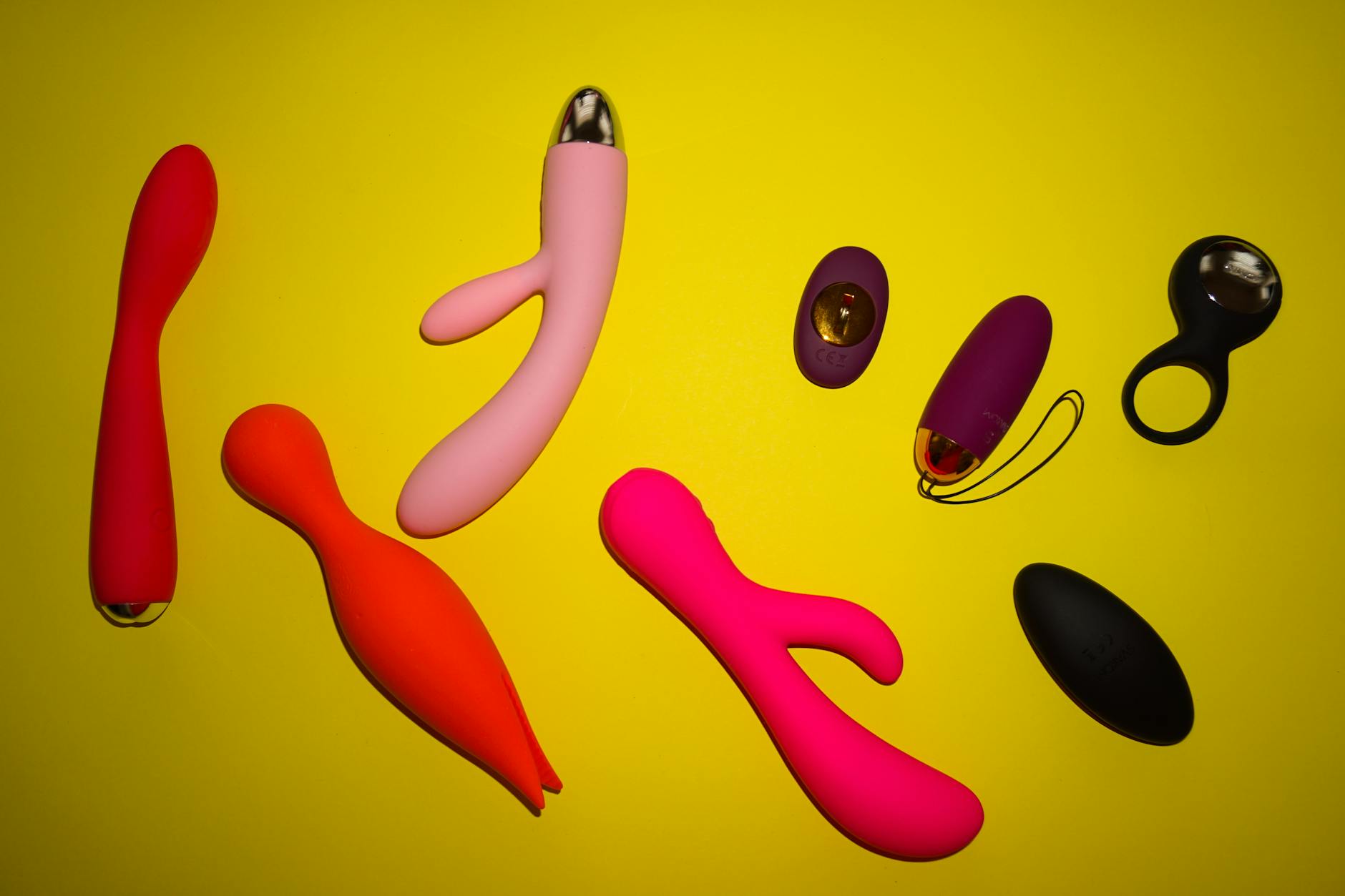
When stress shuts down desire
Let's be real. Stress doesn't just make you tired. It hijacks your nervous system and tells your body that survival mode is on. Sex, pleasure, intimacy? Your brain files those under "non-essential." The result is a libido that's not broken, just dormant.
I work with couples where one partner's libido has cratered under work pressure, family obligations, or life transitions. The panic sets in fast. "Am I still attracted to my partner?" "Is something wrong with me?" "Will this ever come back?" The fear often makes the problem worse, because now you're stressed about being stressed.
Here's what I need you to know: low libido from stress is not a sexual dysfunction. It's a nervous system issue. And lemon vibrators, specifically clitoral vibrators like the suction-based designs Hello Nancy offers, can be a bridge back to arousal when your body has forgotten how to want.
Why stress kills arousal (the neurobiology part)
When you're under sustained stress, your body floods with cortisol. This chemical is brilliant at shutting down non-urgent systems. Your sex hormones drop. Blood flow redirects away from pleasure zones and toward muscles (fight or flight). Your brain's reward pathways quiet down. Basically, stress makes you sexually numb by design.
Women report this differently than partners with penises. Stress often kills desire in women before it touches physical response capacity. So you might be able to experience orgasm mechanically, but the wanting part has vanished. That distinction matters because it changes how you should approach pleasure.
The good news: this is reversible. Your nervous system can relearn that pleasure is safe, even when the rest of life feels chaotic.
Starting small: why lemon vibrators work when desire is low
When libido is tanked, heavy foreplay, partner touch, or elaborate scenarios feel like work, not fun. That's where a lemon vibrator, specifically a clitoral vibrator using suction technology, becomes useful. Here's why.
Air-suction vibrators like the Lem focus stimulation without demanding anything from you mentally. You're not performing. You're not managing your partner's reactions. You're not trying to feel something. You're just receiving input. That simplicity matters when your arousal system is already exhausted.
The suction sensation also works well for stress-related numbness. It's distinct from traditional vibration. It feels more like a mouth, less like a mechanical buzzer. When your nervous system is already overwhelmed, this texture difference can feel less jarring.
The stress-recovery protocol: rebuilding arousal from zero
If your libido is flatlined, don't jump into partner sex or complex scenarios. Here's what I recommend to clients:
Week 1-2: Solo exploration, zero pressure. Use your lemon clitoral vibrator alone, in a time when you're not tired or rushed. Not to orgasm. Not to prove anything. Just to reintroduce your body to the sensation. Five to ten minutes max. The goal is curiosity, not climax. Some women find that even this feels like pressure at first. If that's you, just hold the vibrator. Let your body adjust to its presence without it being turned on.
Week 3-4: Extend the window. If step one felt okay, add 5-10 minutes. Start on a lower setting (patterns 1-3 on most lemon vibrators). Don't try to come. Notice what feels different from when you were less stressed. Is there warmth? Tingling? Relaxation afterward? Those are data points, not failures.
Week 5+: Reintroduce partnered touch slowly. Once you've rebuilt some solo arousal, partner sex feels less like a chore. If you have a partner, let them know you're rebuilding desire. Use the vibrator together. Let them watch or hold it. The goal is non-performance intimacy, not Olympic sex.
Managing the mental block
Here's what most guides skip: the hardest part isn't physical. It's the guilt and frustration living in your head.
You might feel broken because you don't want sex. You might resent your partner for wanting it when you're touched out. You might judge yourself for needing a vibrator to feel anything. That narrative is what actually keeps libido locked down.
Stress-related low libido isn't laziness or lost love. It's your nervous system saying "I need to regulate first." Using a lemon vibrator isn't a workaround for a broken system. It's a tool to tell your nervous system that pleasure is safe again.
I often recommend a conversation with your partner that doesn't include the vibrator at all. Something like: "My libido is low because I'm stressed, not because of you. I need us to take pressure off sex for a while. I'm going to work on reconnecting with my own pleasure, and I'll let you know when I'm ready to include you again." That clarity reduces resentment on both sides.
Practical setup for stress-recovery pleasure
Environment matters more when you're starting from low libido.
Choose a time when you're actually relaxed, not tired. Sunday morning, not 11 p.m. after a workday. Dim lighting. No phone. No expectation of outcome. Some people find that a short meditation or breathing exercise beforehand helps downregulate the nervous system (five minutes of slow breathing reduces cortisol noticeably).
Warm water on your vulva can help with sensation. A warm bath beforehand, or even just running warm water over the area, increases blood flow and makes sensation feel less numb. Lube also helps, both physically and as a signal to your body that this is okay, this is intentional.
With the lemon vibrator, start externally. The clitoral vibrator is designed for external stimulation anyway. Notice texture. Notice temperature. If sensation feels too intense, drop the intensity setting or take a break. Numbness from stress is real, but so is overstimulation from trying too hard.
When to bring your partner back in
You'll know when you're ready. Usually it's when solo pleasure feels less like a task and more like a yes. When you've had a few sessions where you actually thought about it without dread.
Then, bring your partner in slowly. Watch them use your lemon clitoral vibrator on you. Let that be enough for a few sessions. No penetration, no performance expectation. Just presence and sensation. Many couples find this is actually more intimate than sex felt when libido was high.
If your partner is uncomfortable with the vibrator, that's a separate conversation. How to Introduce Lemon Vibrators to a Long-Term Partner walks through that tactfully.
When stress-related low libido needs more support
If you've given this six to eight weeks and nothing's shifting, or if the stress is coming from relationship issues, a therapist (ideally one trained in sex therapy or couples work) is worth the investment. Stress-related libido loss sometimes signals deeper friction in the relationship or untreated anxiety. A vibrator can't fix those.
Similarly, if low libido arrived alongside depression, that's worth a conversation with your doctor. Depression and stress are different neurochemically. Depression might need medication support. Stress might need boundaries, therapy, or lifestyle change.
The long game
Rebuildling libido when stress has shut it down takes patience. You're not trying to get back to where you were. You're rebuilding from a different place. And honestly, many people find that pleasure after stress recovery feels different. Deeper. More intentional. Less automatic.
Use your lemon vibrator as a way to tell your body that pleasure matters again. Not as pressure to perform or prove anything. As a conversation between you and your own desire. That conversation, alone first, then with your partner, is how libido actually comes back.
People also ask
Does using a vibrator make stress-related low libido worse?
No. The opposite is true. When libido is tanked by stress, relying on a vibrator to rebuild solo arousal actually helps. You're not relying on partner touch or performance pressure. You're just receiving stimulation. This helps your nervous system recalibrate that pleasure is safe. The key is doing it without expectation. If you use the vibrator and nothing happens, that's still progress because you showed your body that this time was about pleasure, not productivity.
Can stress permanently damage my ability to feel arousal?
Not permanently, but stress can genuinely numb sensation short-term. Your nervous system prioritizes survival over pleasure when under threat. The good news is that once stress reduces, sensation usually returns. That said, if you're under intense chronic stress (bad job, bad relationship, financial crisis), addressing the stressor matters more than any vibrator. A lemon clitoral vibrator can help you reconnect with pleasure while you're dealing with the stress, but it can't replace fixing what's actually causing the stress.
Is it normal to need a vibrator to feel aroused when stressed?
Completely normal. Stress suppresses natural lubrication and sensation. A clitoral vibrator provides external input that can bypass that numbness. This isn't a sign that something's wrong with you. It's a sign that your nervous system is doing what nervous systems do under threat. Once stress reduces, you might find you need the vibrator less. Or you might just like it more and keep using it. Both are fine.
How long does it take to rebuild libido after stress?
Typically four to eight weeks of gentle solo practice, assuming the stress itself is reducing. If the stress is still happening, libido will stay low no matter what tool you use. The timeline depends on how long stress was high and what you're doing to manage it. Someone who takes a vacation and comes back to a less demanding job will usually see libido return faster than someone still in a high-stress situation. This is not a character flaw. It's neurobiology.
Should I tell my partner I'm using a lemon vibrator to rebuild arousal?
Yes, usually. Secrecy around solo pleasure often creates distance, especially when a partner already senses low libido. A simple conversation like "I'm going to use some solo time with a vibrator to reconnect with my own arousal" removes the mystery. It also invites them into the solution rather than making them feel like they're the problem. For couples navigating stress-related libido loss together, this kind of transparency actually builds intimacy.
What if my partner feels threatened by my use of a lemon vibrator?
That's worth addressing separately, but briefly: the vibrator isn't replacing them. It's helping you rebuild capacity for pleasure so you can eventually include them again. If a partner is insecure about vibrators, How to Use Lemon Vibrators With a Partner Who Is Uncomfortable talks through that tactfully. Sometimes insecurity is about the tool itself. Sometimes it's about fear that you've stopped wanting them. Those are different problems requiring different solutions.
Rebuilding pleasure is possible
Stress-related low libido feels permanent when you're in it. But it's one of the most reversible forms of desire loss. Your nervous system can remember that pleasure is safe. Your body can reconnect with arousal. A lemon clitoral vibrator, used thoughtfully and without pressure, can be the bridge back.
Start small. Solo first. Be patient with yourself. And know that on the other side of this is pleasure that feels chosen, not obligatory. That's worth the effort.