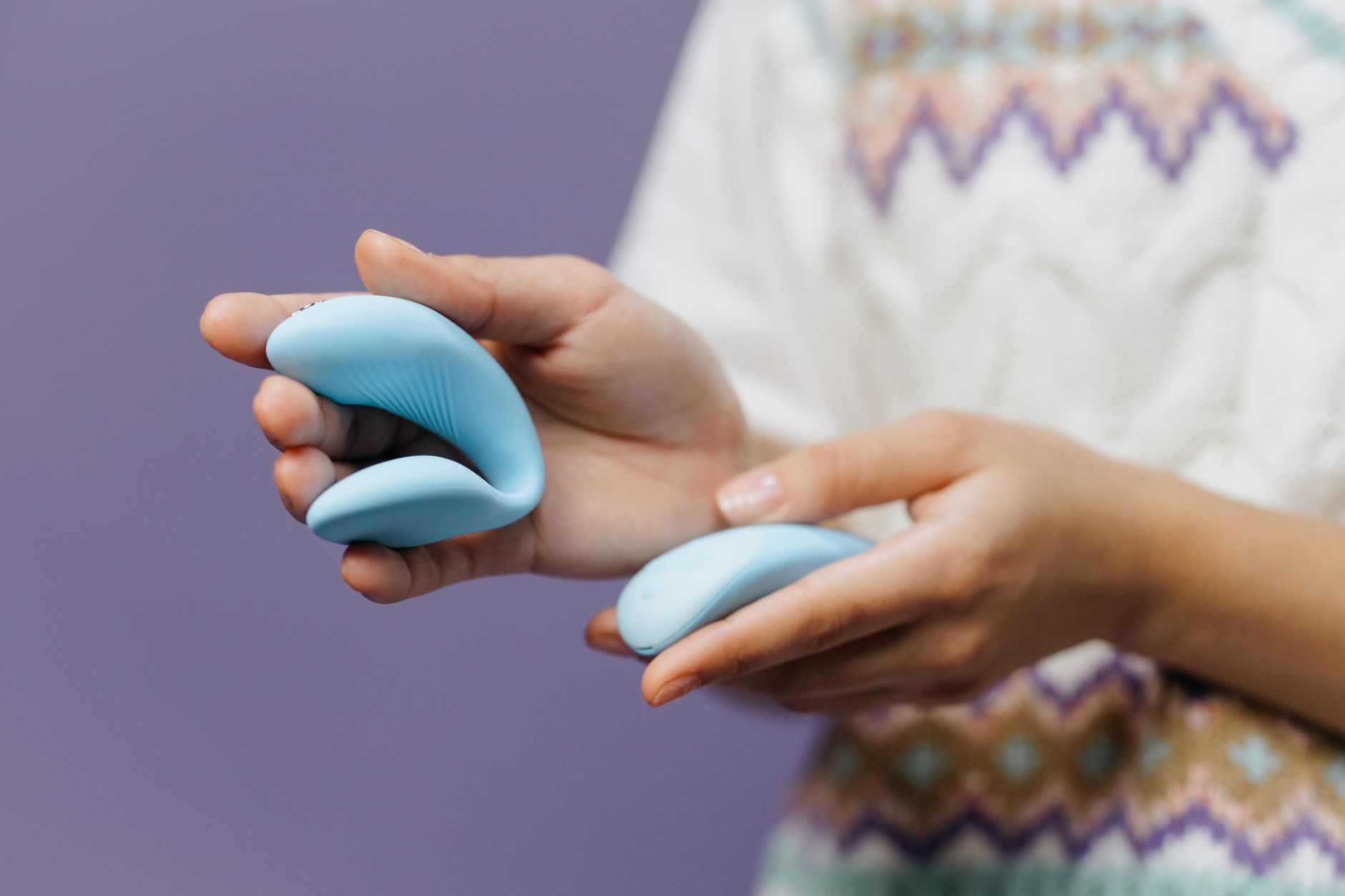
Let's start with what's actually happening
Reduced genital sensitivity from aging is real, common, and almost never talked about. The nerve endings in your clitoris, vulva, and surrounding tissue don't disappear with age. They just respond more slowly and require more sustained, focused stimulation to fire. That's the biology. The good news is that it's not a dead end. It's a puzzle that lemon vibrators and similar clitoral suckers solve better than traditional vibration alone.
Here's the distinction that matters. Aging affects sensitivity at the nerve level. It does not affect your capacity for orgasm or your right to intense pleasure. Those are two entirely different things.
Why reduced sensitivity happens with age
Three physiological shifts converge. First, nerve fiber density actually decreases slightly over time. Second, blood flow to genital tissue thins as vascular health changes. Third, collagen breakdown means the skin and tissue of your vulva become thinner and less elastic. When tissue thins, nerves are less protected, which sounds like it should make you more sensitive. Instead, it makes nerve firing slower and harder to trigger. It's counterintuitive but very real.
Hormonal changes compound this. Estrogen supports healthy blood flow and skin thickness. When estrogen shifts (whether from natural aging, medications, or other causes), everything becomes less responsive. If you've been on certain medications for years, whether they're antidepressants, blood pressure drugs, or antihistamines, they can dull sensation further.
The brain also plays a role. Attention and anticipation sharpen sensation. When you're in a long-term relationship, distracted by life, or just don't expect to feel much anymore, your nervous system doesn't prepare for incoming pleasure. You end up less present, which creates a cycle that feels like reduced sensitivity but is actually divided attention.
Why lemon vibrators work better than traditional vibrators for aging bodies
Traditional vibrators use vibration frequency, usually 100 to 10,000 Hz depending on the device. That frequency worked beautifully when your nerve endings were younger and faster at responding. They're not as fast now. What works better is sustained pressure combined with pulsed suction. The Lem and similar clitoral suckers use a different mechanism. They pull gently on the clitoral tissue and surrounding vulva, creating a pressure-and-release pattern that stimulates deeper nerve clusters, not just the surface.
This matters for aging because suction doesn't rely on rapid nerve firing. It creates a persistent pulling sensation that your slower nerves can register and build on. You feel it accumulate, layer by layer. Many of my clients describe it as feeling like the pleasure is building from inside rather than being knocked at the door from outside. That sustained stimulation is exactly what aging bodies respond to best.
The lemon clitoral vibrator also allows you to control intensity without just cranking frequency higher. You can adjust the pattern, vary the pressure, and move it around instead of holding it in one spot forever, which is what older vibration-only devices force you to do.
The adjustment that changes everything: longer warm-up time
When sensitivity drops, warm-up becomes non-negotiable. Budget 20 to 30 minutes before using any lemon vibrator or clitoral sucker, not 5 to 10. Your body needs time to bring blood to the tissue, prime the nervous system, and get your attention genuinely focused. Start with touch. Use your hands, explore your own body, let anticipation build. Your brain is your most important pleasure tool at this stage of life, and it needs to be engaged first.
When you do move to the device, don't start at high intensity. Begin at pattern 1 or 2, and spend at least 5 minutes there before moving up. The idea is to let your nerves wake up gradually. You're training them to respond again, rebuilding the pathway.
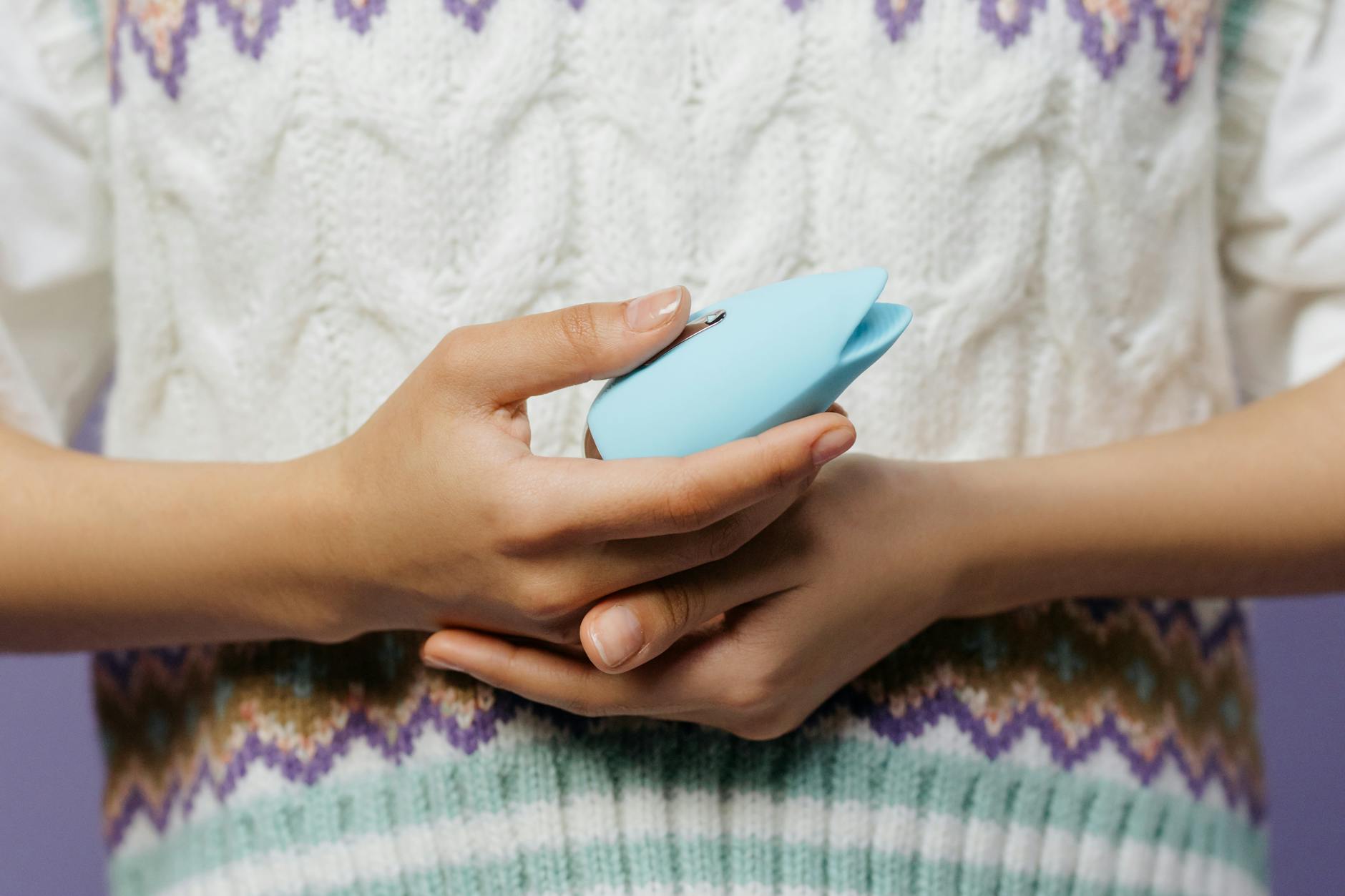
Photo by cottonbro studio on Pexels
Lubrication becomes a tool, not just a barrier
Let's be practical here. Lube does two things as you age. It reduces friction and protects thinner tissue. But it also makes the surface of your vulva more slippery, which means the clitoral sucker or vibrator can move more smoothly and create better contact without dragging. Use water-based lube generously. Seriously. More than you think you need. It's not a sign of anything. It's a tool that makes sensation easier to achieve.
Reapply as you go. Lube dries during longer sessions, and you want that slippery surface maintained throughout. It also warms up as your body warms, which increases blood flow even more.
The positioning game: what changes with sensitivity loss
When you were younger, you might have used a lemon vibrator while lying on your back, legs open. That's still fine. But reduced sensitivity often means you want more contact, more pressure, and the ability to adjust angle quickly. Many people find that sitting upright or semi-reclined, knees bent, gives you better control and makes it easier to angle the device exactly where you need it. You can also tilt your pelvis slightly forward, which changes how the tissue responds to the suction.
Experiment with angle. The clitoris isn't a single point. It's a whole structure that extends internally. Approaching it from different angles, moving the device in small circles rather than just pressing down, activates different nerve clusters. That variety is how you build sensation when sensitivity has dulled.
Managing frustration and rebuilding confidence
One of the biggest obstacles to pleasure when sensitivity drops is the mental story that goes with it. "I can't feel anything anymore." "This doesn't work." "I'm broken." That narrative shuts down arousal faster than anything physical. Your nervous system listens to what you tell it. If you approach this as a problem to troubleshoot, you activate a different part of your brain than if you approach it as evidence of permanent loss.
The truth is simpler. Your body is different now. That doesn't mean it's less capable of pleasure. It means it needs a different approach. When you use a lemon clitoral vibrator after aging has reduced sensitivity, you're not trying to recreate what you felt at 25. You're discovering what you feel now. Often, what emerges is more intense, more localized, and honestly more interesting than diffuse pleasure ever was.
If frustration peaks during a session, stop. Literally. Set the device down and take five minutes to breathe, feel your body, reconnect to what you're after. Pleasure isn't a performance. Restart when you feel the shift back toward curiosity.
When to involve a partner (and how)
If you have a partner, this is a conversation to have outside the bedroom first. "My body feels different as I've gotten older. I want to explore what still feels good. I'd like your help if you're interested." That's the whole conversation. Not "I can't feel anything anymore" but "I want to try something new."
Your partner using the lemon vibrator on you while you're focused on receiving can actually increase sensation. There's something about not having to hold and control the device that lets your nervous system relax into feeling more. They can also hold you, create sustained intimacy, and maintain eye contact while you're using it, which engages the brain circuits that amplify pleasure.
Read together about how lemon vibrators work better with thinning tissue after 40 if you both want to understand the mechanics. Knowledge reduces shame and replaces it with curiosity.
Medication interactions worth knowing
Some medications genuinely dim sensation more than aging alone does. Antidepressants, certain blood pressure medications, and antihistamines can all affect genital blood flow and nerve responsiveness. If you're on a medication and noticed sensation shifted around the time you started it, mention that to your doctor. There may be alternatives or adjustments. That conversation isn't about sex specifically. It's about side effects that matter to your quality of life.
If you're not able to switch medications, that's fine. The techniques and lemon vibrators still work. You just might need even longer warm-up time and even more intentional focus.
The practice that rebuilds everything: solo exploration
If you've been in a long-term relationship or haven't explored solo pleasure in years, aging plus reduced sensitivity plus loss of practice creates a triple barrier. The fix is to come back to your own body regularly, without pressure to achieve anything. Spend time without any device. Touch yourself. Notice where you have sensation, even if it's faint.
Use a lemon vibrator or lem vibrator as an occasional tool during this solo practice, not as the main event. The real work is your attention coming back to your own pleasure. That rebuilds the neural pathways faster than any device can.
Many people find that once they've spent a few months reconnecting solo, sensation improves noticeably. Your nervous system is plastic. It can rebuild responsiveness. It just needs consistent, patient attention.
Questions people actually ask about lemon vibrators and aging sensitivity
Will using a clitoral vibrator make my sensitivity worse over time?
No. Using a lemon vibrator or any clitoral sucker does not numb your tissue or worsen nerve sensitivity. That's a common myth with zero biological basis. What does happen is that your nervous system gets better at recognizing and responding to the specific type of stimulation. You might need the device to feel the same level of intensity, but that's adaptation, not damage. Your body without it remains unchanged. Stop using the device for a week, and your baseline sensitivity is right where it was.
Is it normal that I need more stimulation now than I did in my 30s?
Completely normal. Nerve density decreases, blood flow changes, and hormones shift. That's physiology, not dysfunction. Some people also find their orgasms feel different. Smaller, sometimes longer to build, sometimes more subtle. That doesn't mean they're worse. It means your body is different. Often the adjustment brings unexpected pleasures you didn't have before.
Can I use a lemon vibrator every day, or will that reduce sensitivity even more?
You can use it as often as feels good. Daily use won't reduce sensitivity. If anything, consistent stimulation keeps blood flow active and nerves primed. Some people find a routine helps. Others prefer sporadic. There's no wrong answer. Your body will tell you what it needs.
What if I'm on antidepressants and sensitivity is really low?
Start with the longest possible warm-up time. Give yourself 30 to 45 minutes of foreplay, touch, and anticipation before using any device. Use a lemon clitoral vibrator rather than traditional vibration because suction-based stimulation bypasses some of what antidepressants dull. Be patient with yourself. Some people find sensation returns once their body adjusts to the medication, usually after 3 to 6 months. Others stay at a lower baseline but learn to work with it.
Is it normal to need different stimulation with a partner versus solo?
Very normal. The brain's arousal pathways are different depending on context, attention, and emotional state. Solo, you have total control and can focus purely on physical sensation. With a partner, you're managing intimacy, emotional connection, and possibly performance anxiety all at once. One type of stimulation might be perfect solo but feel wrong with a partner present. That's not a problem. It's information. Use it to understand what you actually need.
How do I know if my sensitivity loss is from aging versus medication or something else?
If the shift was gradual over years, it's likely aging plus normal hormonal changes. If it happened suddenly around the time you started a medication, it's probably medication-related. If it appeared alongside pain, numbness elsewhere in your body, or other symptoms, see a doctor. But most people over 50 experience some combination of all three. The good news is that regardless of the cause, the same tools work. A lemon vibrator, patience, and consistent practice rebuild pleasure capacity across all those scenarios.
The thing to remember
Aging changes sensation. It doesn't end pleasure. Millions of people over 50, 60, 70, and beyond have orgasms regularly, enjoy sex deeply, and discover sensations they've never felt before. The texture of pleasure shifts. It usually becomes more focused, more intense in specific places, and often more emotionally complex. That's not loss. That's evolution.
A lemon vibrator is one tool that works with this evolution instead of fighting it. Suction-based clitoral stimulation meets aging bodies where they actually are. Combined with patience, lube, longer warm-up, and genuine curiosity about what you feel now instead of grief about what you felt then, it opens doors that many people didn't know were still there.
Your body isn't done with pleasure. It's just rewritten the manual. Time to read it.