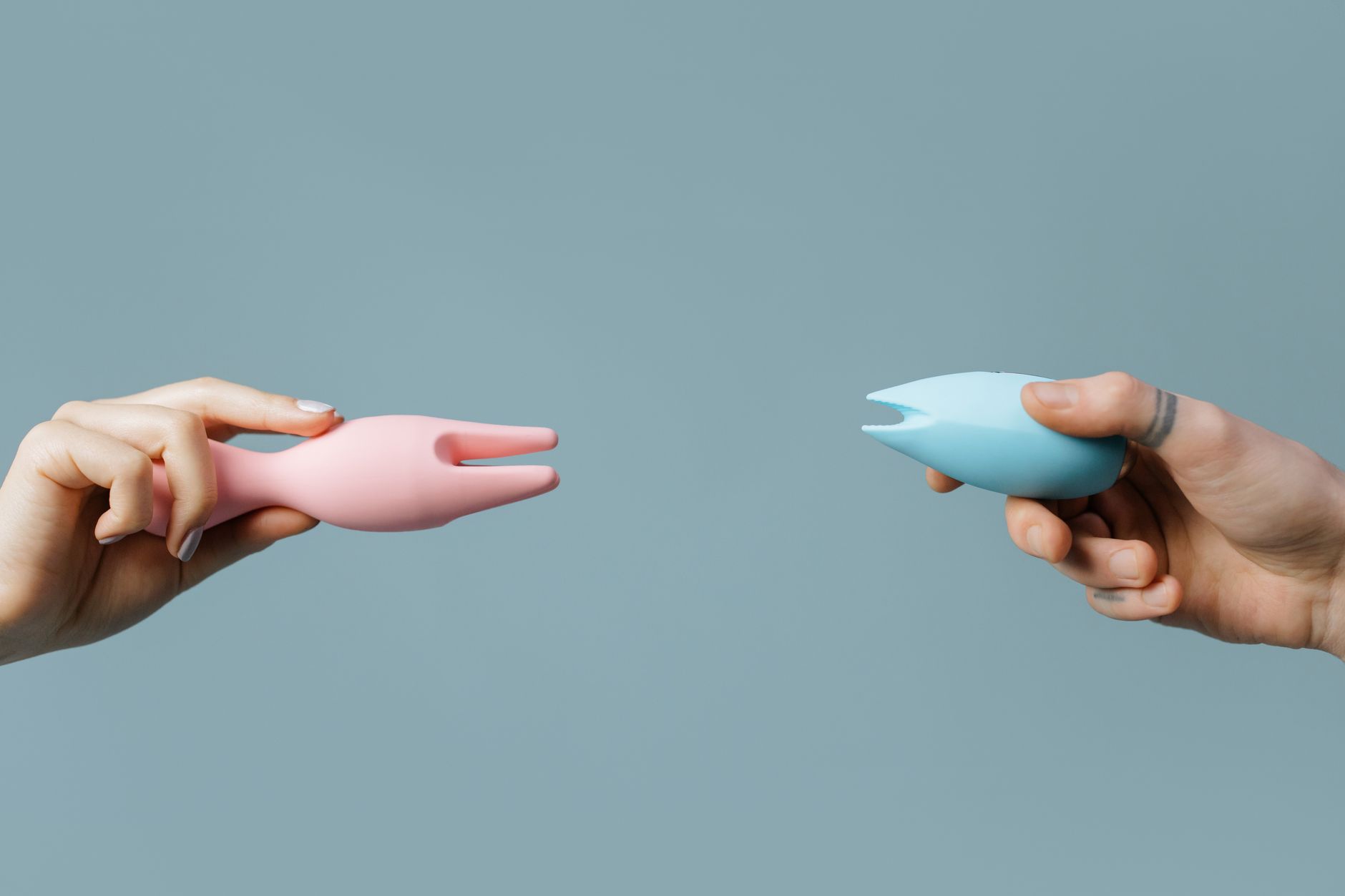
Let's be real about vaginismus
Vaginismus isn't a choice, a mental block, or something you can willpower your way through. It's involuntary. Your pelvic floor muscles contract, and penetration becomes painful or impossible. Your body is doing exactly what it's designed to do: protect you. The problem is it's protecting you from something that shouldn't hurt, and that gap between what your mind wants and what your body allows creates genuine distress.
Here's what most people don't understand: vaginismus and penetration anxiety are different problems that often look the same. Vaginismus is physical. Penetration anxiety is psychological. Many people have both. And here's the thing nobody mentions. Neither one requires you to force penetration to heal. You don't owe anyone access to your body. But you might want pleasure for yourself. That's where clitoral vibrators like the Lem come in.
Why clitoral stimulation rewires the nervous system
When penetration anxiety or vaginismus is present, your nervous system is stuck in a threat response. The pelvic floor stays tense. Arousal feels impossible. Your brain is predicting pain before your body even gets there. One of the most effective ways to interrupt that cycle is to build positive associations with pleasure that don't require penetration at all.
Clitoral stimulation does something specific. It activates the parasympathetic nervous system. That's your "rest and digest" mode. Orgasm, particularly from clitoral stimulation, floods your body with oxytocin and dopamine. Repeat this enough times, and your nervous system slowly learns: this body of mine is capable of pleasure. It's safe. It's good.
Lemon clitoral vibrators work particularly well here because suction feels fundamentally different from vibration. It's less intense on the tissues. It doesn't require direct pressure. For people whose pelvic floor is already tense and reactive, that gentleness matters. You're not adding friction that triggers more contraction. You're inviting softening.
Starting when touch feels unsafe
If you have vaginismus or penetration anxiety, the idea of using any kind of toy might feel scary. Start smaller. You don't have to use a vibrator the first day. You can spend a week just looking at it. Holding it. Running your fingers over it. No batteries. No expectations.
When you're ready to turn it on, do it fully clothed. Feel the vibration through your pants. Get used to the sensation and the sound without any vulnerability. This sounds basic, but it matters. Your nervous system is learning: this thing is safe. I have control. I can turn it off whenever I want.
The next step is using it over underwear. Then with underwear off but your legs together. Then with legs open and just the outer labia. This isn't rushing. This is gentle exposure. You're teaching your body that stimulation and safety can coexist.
When you're ready to use it directly
If and when you decide to use a lemon suction vibrator directly on your clitoris, follow these steps:
Start with pattern 1. Most clitoral vibrators have intensity levels. Begin at the lowest. The goal is not intensity. It's consistency and pleasure.
Use lubricant. Even if you don't think you need it, use it anyway. Water-based lube reduces friction, which means less tension in your pelvic floor. It also signals to your body that you're taking care of it.
Give yourself 20 to 30 minutes. Arousal when you have vaginismus or anxiety takes time. Your nervous system is learning to relax. Don't rush it. Put your phone away. Set boundaries so you won't be interrupted. Create an environment where your body feels genuinely safe.
Breathe. If you notice your pelvic floor tightening, that's information, not failure. Pause. Breathe into your belly. Notice where the tension is. If you want to continue, do it slowly. If you want to stop, stop.
What orgasm can teach you
Here's what happens for many people with vaginismus when they experience orgasm through clitoral stimulation: the pelvic floor releases. For maybe the first time, they feel that muscle fully relax. That sensation is information. Your body is saying, "I know how to do this. I can loosen. I'm not broken."
Repeat that experience enough times, and something shifts. The nervous system begins to trust that penetration doesn't have to follow. The pelvic floor isn't always on high alert. Some people find that after months of using a lemon clitoral vibrator and experiencing regular orgasms, penetration becomes possible because the constant protective contraction has loosened.
But here's what matters more: whether penetration ever becomes possible or not, you've reclaimed pleasure. You've taught your nervous system that your body is safe. That's the real win.
If you have a partner
The conversation with your partner about vaginismus or penetration anxiety is separate from the conversation about pleasure. They're both important, but don't tangle them.
What helps: "My body is protecting me right now. This isn't about you or our relationship. I'm using this time to heal and feel good. Here's what I need from you: patience, no pressure, and checking in with me." Some partners want to be involved. Some don't. Both are fine.
What doesn't help: treating sex as something that's broken that needs fixing. Your nervous system can't relax if the underlying message is, "We're doing this to fix the problem." It relaxes when the message is, "We're doing this because pleasure matters, and we have time."
When to work with a therapist
Vaginismus often responds well to pelvic floor physical therapy, sex therapy, or somatic therapy. A therapist trained in trauma-informed care can help you identify what your nervous system learned about safety and teach it something different.
These approaches work best alongside self-pleasure and vibrators, not instead of them. You're building the skill from both directions. Your nervous system learns from your own touch and from professional support.
FAQ
Can I use a clitoral vibrator if I've never had an orgasm before?
Yes. In fact, learning to orgasm through clitoral stimulation is often easier than through penetration, especially when vaginismus is present. Many people find their first orgasm using a clitoral suction vibrator like the Lem. No special skills required. Your body knows what to do. You're just creating the right conditions.
Will using a vibrator make penetration more or less likely?
Neither. Vibrators don't cure vaginismus. What they do is help your nervous system learn that pleasure is possible and your body is safe. Whether that eventually leads to comfortable penetration depends on the underlying cause of your vaginismus and the work you do to address it. Some people heal and penetration becomes comfortable. Some people find that clitoral pleasure is enough and they're happy without penetration. Both are valid.
Is it normal to feel nothing the first time I use a vibrator?
Completely normal. Your nervous system is on alert. Your pelvic floor is tight. Sensation might feel muted or absent. Keep going. Most people notice sensation shifting after three to five sessions. Your body is just learning that this is safe.
What if using a vibrator triggers anxiety or panic?
Stop immediately. Your nervous system is telling you something. You've moved too fast or the context isn't right. Back up. Spend more time with the vibrator fully clothed. Use it for shorter periods. Work with a trauma-informed therapist who can help you understand what triggered the response. Healing vaginismus is slow. Pushing through panic doesn't work.
Should I tell my partner I'm using a vibrator to address vaginismus?
That's your call. Some couples find that transparency builds intimacy. Some people need privacy and space to heal without an audience. What matters is that you're being honest with yourself about what you need and not abandoning your own pleasure because you think you should want something different.
Can lemon clitoral vibrators help if I've had trauma?
Yes, but with caution and support. Vaginismus often follows trauma. Clitoral vibrators can help rewire your nervous system, but you need a trauma-informed therapist alongside the vibrator. Healing happens when you have professional support, your own agency, and time. Never use a vibrator as a substitute for therapy. Use it as part of a comprehensive approach to reclaiming your body.
The real timeline
Honestly, healing vaginismus or penetration anxiety doesn't follow a neat arc. Some weeks are better. Some weeks are hard. You might have a breakthrough one month and then feel stuck the next. That's normal. Your nervous system is learning a new way of being, and that learning isn't linear.
What I know from years of working with clients is this: pleasure matters. Your body matters. You don't owe anyone penetration, but you deserve to feel good. Using a lemon clitoral vibrator is one way to reclaim that. It's not the only way. But it's a powerful one. Start slowly. Be patient with yourself. Your nervous system will get there.