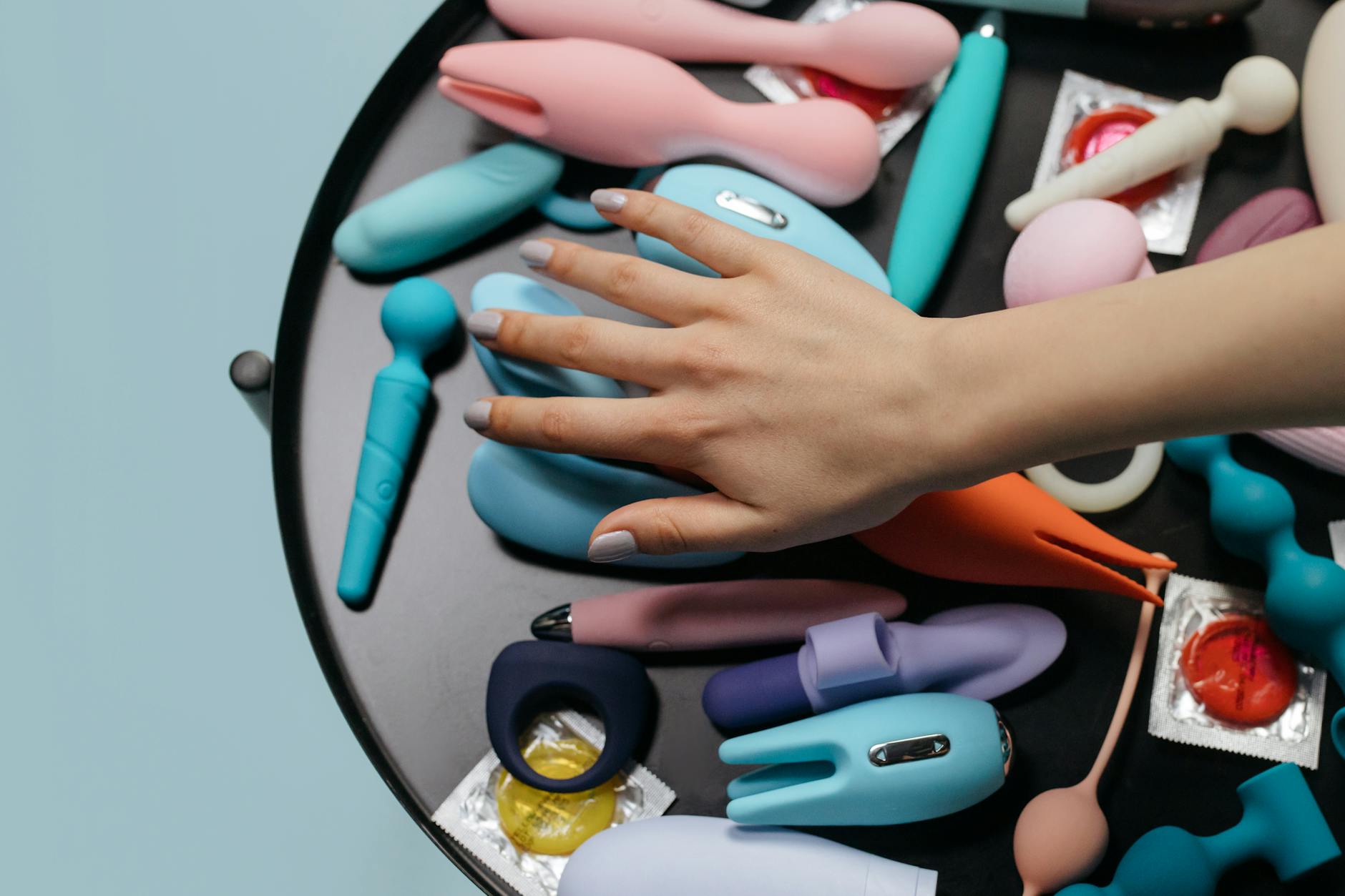
Let's talk about the weirdness
You're about to touch yourself intentionally. With a device. Alone. And something in your brain is screaming that this is awkward, selfish, wrong, or at least deeply unfamiliar. That's not a character flaw. That's a totally common friction point, and it matters because that friction is exactly what stops a lot of people from even trying.
Here's what I see in my practice: the nervousness isn't about the vibrator itself. It's about giving yourself explicit permission to prioritize your own pleasure. That's a bigger psychological shift than most people expect.
Why solo play feels different from partnered sex
When you're with someone else, there's a built-in narrative. You're responding to them. There's a reason. There's someone else's pleasure in the equation, which somehow makes the whole thing feel less... selfish.
When you're alone, you're the reason. You're the audience and the performer. Your brain hasn't been trained to think of that as legitimate. That's not your fault. That's decades of cultural messaging telling you that sex is something that happens to you, not something you do for yourself.
But here's the thing: solo play isn't practice sex. It's not a warm-up to the real thing. It's the real thing. It's you learning what actually feels good, what your body responds to, what you want. That information is valuable whether or not you ever share it with anyone.
Why lemon vibrators specifically help with nervousness
Traditional vibrators are aggressive. They buzz hard. They demand attention. If you're already nervous about touching yourself, the last thing you need is a toy that feels like you're holding a jackhammer.
Lemon vibrators, including the Lem, use suction technology instead of standard vibration. That means the stimulation feels gentler, more like a mouth than a buzzer. It's a fundamentally different sensation, and it matters when you're anxious because:
First, suction feels less clinical. There's something more sensual about it, less like you're operating a power tool and more like you're exploring your body. Second, you can control the intensity more granularly. Most lemon clitoral vibrators have multiple suction levels, so you can start at a barely-there pressure and work up, rather than jumping into vibration mode 5. Third, the sensation is more localized. It's not a full-body buzz. It's concentrated where you want it, which actually feels more intentional and less overwhelming.
The logistics of actually starting
Pick a time when you're not rushed. Not "I have 10 minutes before my partner gets home." Not "between meetings." Pick a time when you can be alone for 30 minutes without checking your phone every 90 seconds. Real space matters. Your nervous system reads urgency as threat.
Pick a place where you feel comfortable. This might be your bed, might be the bathtub, might be on the couch with the door locked. The location itself should feel safe and private. If you're constantly listening for footsteps, your body won't relax enough to feel anything.
Start with your hands first. Literally just touch yourself for a few minutes. No toy. No agenda. Just skin contact, exploring what feels good without any pressure to arrive anywhere. Most people skip this step because it feels silly. It's not. Your hands are the lowest-pressure way to remind your body that this is allowed.
When to introduce the toy
Once you've warmed up a little, turn on the Lem (or whichever lemon vibrator you're using) to the lowest setting. Don't go directly to your clitoris. Let it sit against your inner thigh first. Get used to the sensation. Feel what it does, how it vibrates or sucks, what the noise is like. Your nervous system is collecting data right now, not looking for an orgasm.
Move it slowly up the inner thigh toward your vulva. This is a grounding exercise as much as anything else. You're building a sense of control and anticipation, which are both the opposite of anxiety.
When you do finally bring the lemon vibrator to your clitoris, start at the lowest intensity. I cannot stress this enough. Low. Many people who are nervous about solo play turn it up thinking "if I don't feel much, I'll turn it up to feel something." That's how you go from zero to overwhelmed in three seconds. Stay at level 1 or 2 for at least several sessions.
The weirdness will ease, but expect the learning curve
Your first solo session probably won't feel amazing. You might feel stiff, self-conscious, or just... not much. That's not a sign the toy doesn't work or that you're broken. It's a sign you're using your mind to watch yourself have pleasure instead of being inside the pleasure. That takes time to shift.
Most people need three to five sessions before the nervous system really relaxes into it. That's totally normal. You're rewiring an old message. That takes repetition.
If you feel stuck after five or six sessions, try changing something small. Different time of day. Different position. Different room. Sometimes it's not the toy or the technique. It's that your nervous system needs a small variable changed to unlock that permission.
What to actually expect to feel
With a lemon clitoral vibrator on a low setting, you'll probably feel a gentle suction or pulsing sensation. It should feel pleasant, not sharp. If it feels painful or too intense, you're on too high a setting. Turn it down.
As your nervous system relaxes, the sensation will deepen. You might feel arousal building. You might feel a warmth or tingling. You might feel nothing for a while and then suddenly feel a lot. All of these are fine.
Orgasm might happen. It might not, especially in early sessions. That's genuinely okay. This is not a performance. There's no score. If you reach a pleasant plateau and just stay there, that's a win. If you orgasm, that's also a win. If you feel some nice sensations and then get bored and stop, that's still a win because you've proven to yourself that you can give yourself pleasure on your own terms.
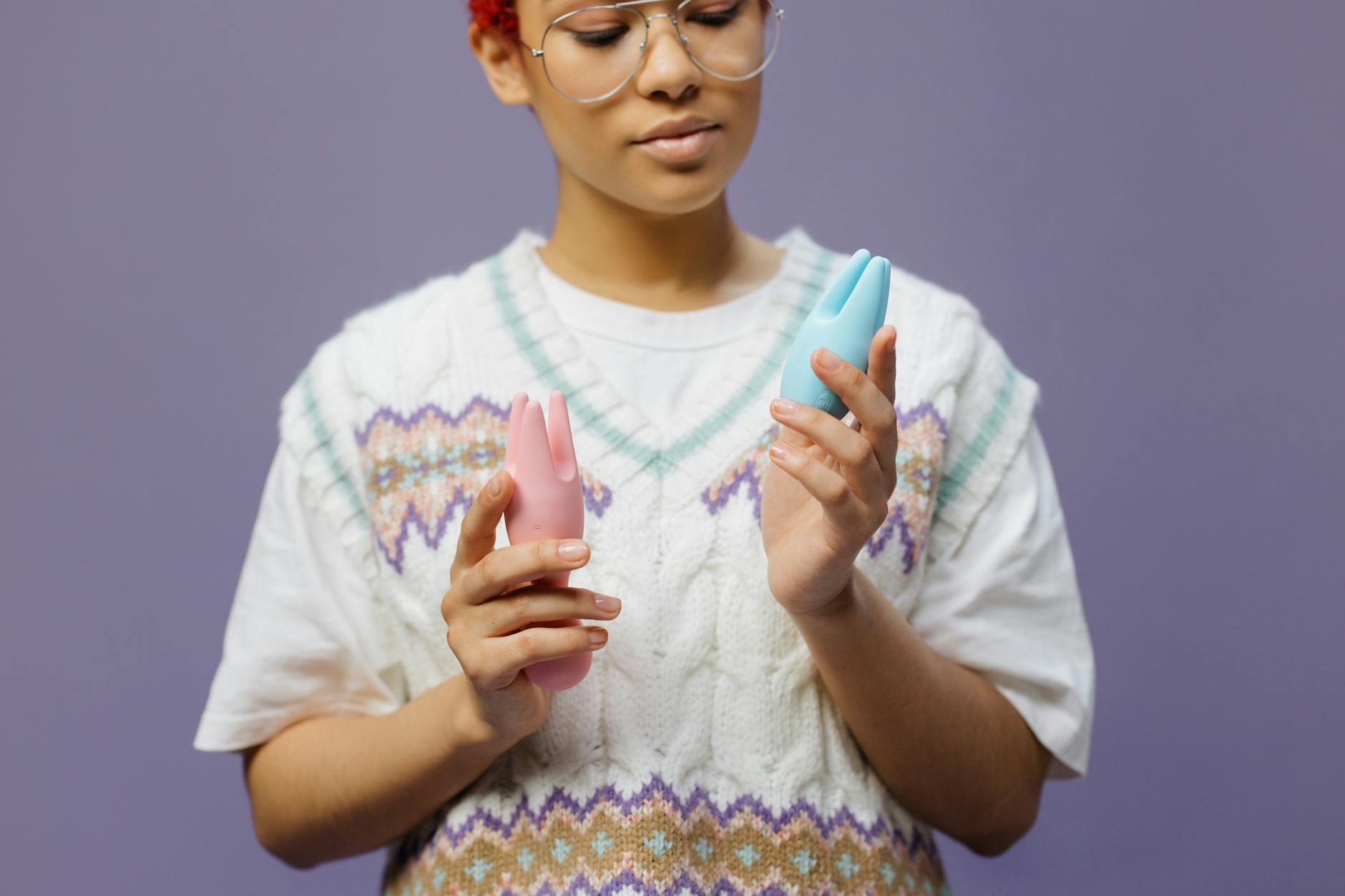
Photo by cottonbro studio on Pexels
Why this matters beyond the physical sensation
Let me be direct: knowing what your body likes is foundational knowledge for any kind of healthy sexuality. When you understand your own pleasure response, you stop treating sex like it's something someone else is supposed to figure out. You stop faking it. You stop tolerating sensation that doesn't feel good.
If you ever want to have partnered sex, this knowledge is valuable. You'll know what to ask for. You'll know what feels good enough that it's worth prioritizing.
If you never have partnered sex again, this knowledge is still valuable. Your pleasure matters for its own sake. Full stop.
A note on shame if it comes up
Some people feel weird or guilty after solo play. That's also a totally normal hangover from cultural messaging. If that happens to you, sit with it for a minute instead of pushing it away. Notice it without judgment. "Oh, there's the guilt message. Got it. That's old programming." Then move on. It usually dissolves faster if you don't fight it.
If you're partnered and you're worried your partner will feel some type of way about this, that's worth a separate conversation. Solo play isn't a threat to partnered sex. It's usually the opposite. It makes people more confident, more present, and more aware of what they actually want. Most partners appreciate that, even if it takes a conversation to get there.
Practical setup tips for first-timers
Have water nearby. Have a towel nearby. Charge your lemon vibrator fully the night before so you don't have the thought "is this going to die halfway through" in your head. Put your phone on do not disturb. If you have roommates or a partner, lock the door. Small things that remove micro-uncertainties will help your nervous system settle.
Consider having lubricant on hand, even though you might not need it. Knowing it's there removes a potential source of friction (literal or mental). Water-based lube is safest if your vibrator has any silicone components.
Wear something you find comfortable. You don't need to be fully naked if that adds to the nervousness. You can wear a shirt or underwear and just adjust as needed. This is about building comfort, not following a rulebook.
The nervous feeling might stick around, and that's fine
Some people get over the initial nervousness quickly. Some take longer. Both are normal. The goal isn't to feel completely uninhibited. It's to feel inhibited enough to be safe but free enough to enjoy the sensation.
If after several sessions the nervousness is preventing you from feeling anything at all, or if you're feeling pain, consider talking to someone. A therapist who specializes in sexuality or a sex educator can help identify what's actually getting in the way. Sometimes it's just needing permission. Sometimes there's something deeper, and that's okay too.
But most often? It's just that you need to practice giving yourself permission. And that gets easier every single time.
Frequently asked questions
Is it normal to feel embarrassed using a vibrator alone?
Completely. Embarrassment around masturbation is one of the most deeply ingrained cultural messages we absorb. Most people, even adults in their 40s and 50s, report feeling some awkwardness their first time. The fact that you're pushing through it is actually the point. Your nervous system will adjust within a few sessions.
What if I don't have an orgasm my first time using a lemon vibrator?
You're probably fine. First-time nervousness can absolutely block orgasm, and that doesn't mean anything is wrong with you or the toy. Orgasm is not the goal of solo play, though it's often a nice side effect. The goal is to learn what your body enjoys. That information is valuable even without climax.
Can I use lemon vibrators if I've never touched myself before?
Yes, absolutely. A gentle lemon clitoral vibrator is actually a good entry point because the suction technology is less jarring than traditional vibration. Start at the lowest setting and move slowly. Your body will tell you what it likes.
Should I tell my partner I'm using a vibrator alone?
That depends on your relationship and your comfort. If you're partnered, this is worth a conversation, but maybe not immediately. You might want to feel confident and comfortable with solo play first, and then share that with your partner when you're ready. How you frame it matters. "I'm learning what feels good to me" is very different from "the vibrator is better than you," and it's important to be clear about which one you mean.
How often should I be using a vibrator if I'm just starting?
There's no right frequency. Some people like solo play weekly. Some monthly. Some daily. The goal is to do it often enough that the nervousness fades and you start to feel genuinely curious instead of anxious. For most people, that's somewhere between one and three times a week, but your rhythm is your rhythm.
What if I feel sore or irritated after using a lemon vibrator?
Stop and let your body rest for a few days. Soreness usually means you went too intense, too long, or without enough lubrication. Start softer next time. If irritation persists or gets worse, see a gynecologist. But in most cases, it's just a signal to dial back the intensity.
The bigger picture
Solo play isn't a gateway to anything. It's not practice. It's not preparation. It's just you, your body, and whatever toy you choose to use. And that is enough. Your pleasure matters even when no one else is watching, especially then.
If you want to explore this further with professional guidance, consider reaching out to a certified sex educator or relationship therapist. And if you have other questions about how lemon vibrators work or which might be right for you, we're here to help.
You've got this.