
Let's be real about what changes after 40
Something shifts around 40. Not your desire, not your capacity for pleasure. What shifts is texture. Sensitivity patterns. How quickly your body wakes up to touch, how intense stimulation needs to be, what actually works.
If you've been using the same vibrator since your 20s and it suddenly feels off, you're not broken. Your tissue is changing, your nerve endings are recalibrating, and the tool that worked then might not work now.
The physiology is straightforward
Around 40, estrogen levels begin shifting more noticeably. This isn't menopause yet. It's the decade leading into it, and it matters. Estrogen affects skin thickness, moisture, blood flow, and how quickly nerves fire in response to stimulation. As estrogen naturally fluctuates, the vulva's outer tissue becomes slightly thinner. The vaginal opening loses some elasticity. Lubrication changes texture and production.
These are not dramatic overnight shifts. They're gradual. But they're real enough that what felt perfect at 28 might feel slightly abrasive, or require more warm-up time, or demand a different kind of stimulation altogether.
Here's what doesn't change. Not your clitoral nerve density. Not your brain's capacity for pleasure. Not your ability to orgasm, often with more intensity than you've ever felt. This is the part no one tells you about the 40s: many people report their most satisfying orgasms happen in this decade.
Why air-suction lemon vibrators work better now
Traditional vibrators rely on friction and direct pressure. For younger bodies with thicker, more elastic tissue, that works. For bodies after 40, where tissue sensitivity increases and direct friction can feel intense or even uncomfortable, air-suction technology changes everything.
Lemon vibrators and devices like them use gentle suction and pulsing rather than grinding vibration. They stimulate the clitoral network through pressure and rhythm, not friction. The sensation is broader, more diffuse, less likely to create that overstimulated numbness that happens when one spot gets hammered repeatedly.
This matters for another reason: after 40, warm-up time matters more. The clitoris needs longer to engorge with blood. Its tissue needs time to soften. Suction-based stimulation actually helps this process. It increases blood flow gently, wakes the nerves progressively, and lets sensation build in waves rather than spikes.
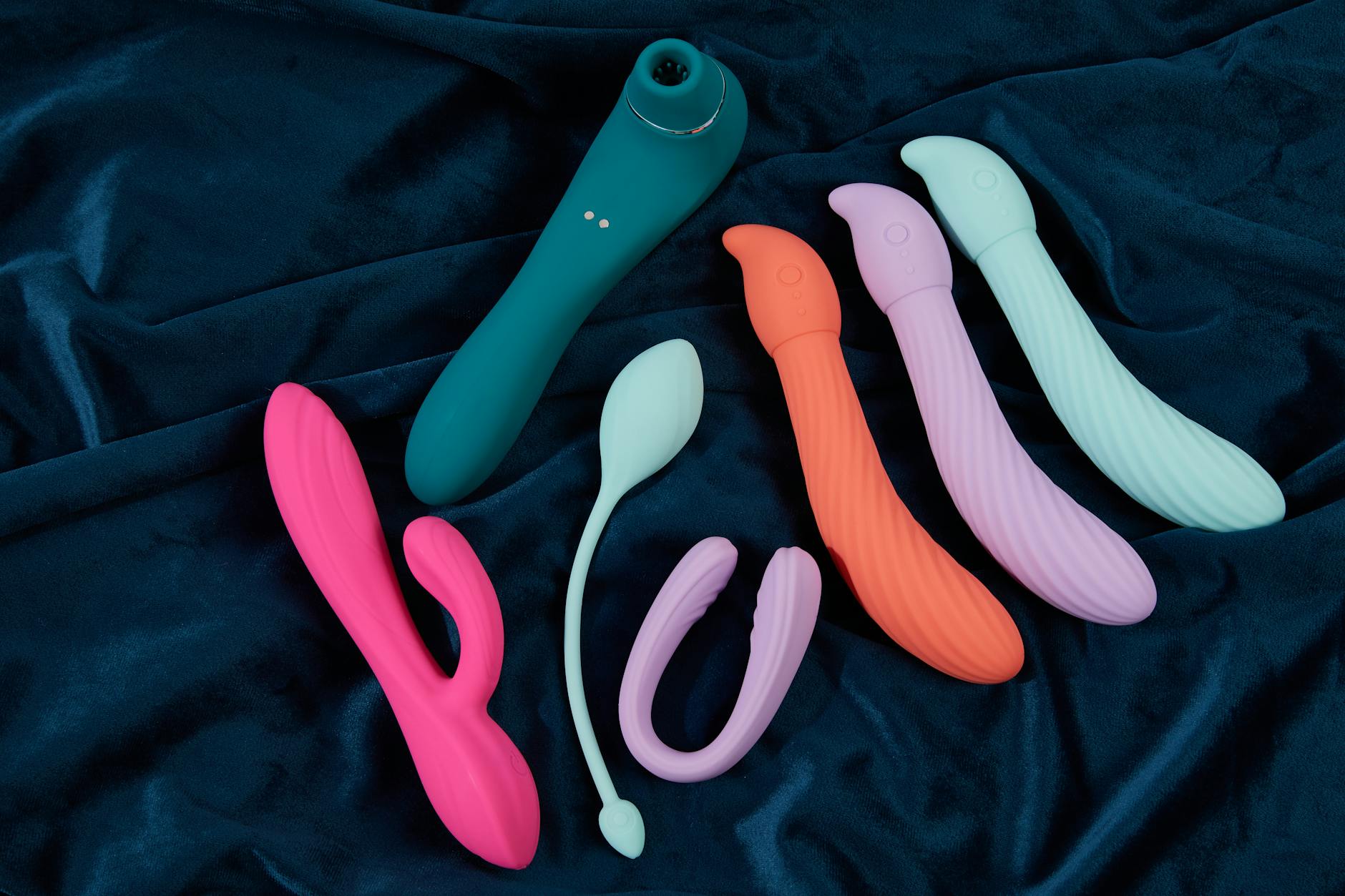
Photo by IFONNX Toys on Pexels
The warm-up window is longer now
Your body doesn't move as fast as it used to. That's not regression. It's complexity.
When you were 25, you might have been ready for intense stimulation in 3 minutes. Now you need 15. This isn't a flaw. Longer warm-up means more opportunity for pleasure to build. It means you're less likely to chase numbness and more likely to feel sensation clearly. It means your partner, if you have one, has time to actually connect with you instead of rushing.
Lemon clitoral vibrators are built for this rhythm. Many have patterns that start slow. They reward patience. You can spend 10 minutes at intensity level 2, building arousal gradually, rather than jumping straight to maximum and then wondering why you can't feel much.
Lubrication becomes your best friend
Tissue changes mean natural lubrication might not be as abundant as it once was. This is incredibly common in the 40s, especially in certain parts of your cycle. It doesn't mean anything is wrong.
What it means is that internal lubrication becomes more strategic. A good water-based lubricant isn't cheating. It's adjustment. It's meeting your body where it is now. Combined with an air-suction vibrator like a lemon sucker, lube creates a seal that intensifies sensation while protecting sensitive tissue from friction.
Many people in their 40s find that adding lube is the single biggest game-changer. Not because penetration becomes the main event, but because it changes how external stimulation feels. It smooths everything. It lets you focus on sensation instead of worrying about comfort.
Sensation mapping shifts
Your entire clitoral network doesn't change at 40. But the most responsive areas might shift slightly. The angle that drove you wild at 28 might feel less direct now. The intensity that was perfect might now feel like static.
This is why exploration matters more in your 40s than it did before. You've built stamina and knowledge. Now you get to build precision. Where exactly do you want pressure now? Do you prefer constant rhythm or variation? Does one pattern create deeper arousal while another gets you there faster? These questions matter more now because your body is giving you clearer feedback.
Lemon vibrators with multiple patterns and intensity levels give you tools to ask and answer these questions without switching devices.
The pleasure paradox at 40
Here's what research keeps showing: satisfaction often increases in your 40s. Not despite body changes. Sometimes because of them.
When tissue is more sensitive, sensation is often more vivid. When warm-up takes longer, you're more present during that process. When you need lube, you're paying attention to comfort. When you know what works, you waste less energy on what doesn't. You show up differently. You ask for what you want more directly. You're less worried about how you look and more interested in how you feel.
Partner dynamics shift too. If you've been in a long relationship, you're past the performance phase. You can say "slower," "harder," "different." If you're solo, you're likely touching yourself with less self-consciousness and more curiosity.
The 40s aren't a decline. They're an upgrade with new equipment requirements.
When to consider talking to someone
If pleasure drops significantly and stays dropped, that's worth mentioning to a doctor. If penetration becomes painful, get that checked. If you've lost all interest in sex and it bothers you, a conversation with a therapist or coach can help you figure out whether that's a relationship issue, a life-stress issue, a medical issue, or just a new chapter.
But if sensitivity changes and you've adjusted your tools and approach, that's not a problem. That's you, evolving.
The best sexual life you can build at 40 might look completely different from the best sexual life you built at 25. That difference isn't loss. It's information.
FAQ: Common questions after 40
Should I switch vibrators when I hit 40?
Not necessarily. But if your favorite vibrator stops feeling as good, you don't have to assume your body is broken. You might just need a different tool. Many people find that trying an air-suction device like a lemon clitoral vibrator opens up sensations that traditional vibrators had been masking. You can always keep your old favorite and add something new.
Is reduced natural lubrication normal at 40?
Completely normal. Estrogen fluctuations begin around 35-40 for many people. It doesn't mean anything is wrong. It means your body is adjusting, and lube is a practical solution, not a sign of decline. Using it actually protects tissue and makes pleasure more accessible.
Can I still have strong orgasms after 40?
Yes. Many people report that orgasms feel different, more concentrated, sometimes longer, sometimes with different physical sensations. Different doesn't mean weaker. Different often means you're feeling sensation more clearly because your nervous system is more mature and your tissues are more sensitive.
How long should warm-up take now?
There's no should. Every body is different. But 15-25 minutes is common and totally fine. Some people warm up faster, others slower. The point is to listen to your body instead of holding yourself to the pace you kept at 25.
Do I need to see a doctor about these changes?
Only if they're causing you pain or if they're connected to other symptoms that worry you. Sensitivity shifts and lubrication changes at 40 are normal biology. If you're curious, your doctor can run tests. If you're just adjusting, you don't need permission. Lube works. Longer warm-up works. New tools work.
Is using a lemon vibrator different from a regular vibrator after 40?
Yes, often notably. Lemon vibrators and other air-suction tools stimulate without friction, which tends to feel better on tissue that's become more sensitive. They also tend to create broader sensation, less likely to numb one spot. If your current vibrator used to work and doesn't anymore, trying a lemon sucker or other suction-based device is a logical next step.
You don't need permission to change your approach
Your 40s are not a dress rehearsal for decline. They're when you actually know enough to build something good. You know what you like. You're less self-conscious. You know how your body works and what it needs.
If that means lube, lube. If it means longer warm-up, take it. If it means switching to an air-suction lemon clitoral vibrator because it feels better than the one you've been using since 2010, that's not compromise. That's smart.
Your pleasure matters. The way your body works now matters. And the tools you use should fit the body you have, not the body you used to have.
Start with curiosity. Try lube if you haven't recently. Give yourself 20 minutes instead of 5. If you're looking for a new device, explore how air-suction technology feels different. See what actually works for the version of you that you are right now.
Your best sexual life probably hasn't happened yet. The 40s are when the pieces usually come together.
If you want to talk through any of this more, whether it's about pleasure, about navigating changes in a relationship, or about figuring out what's actually going on with your body, reach out to Hello Nancy. We're here to help you feel confident about this evolution, not confused by it.