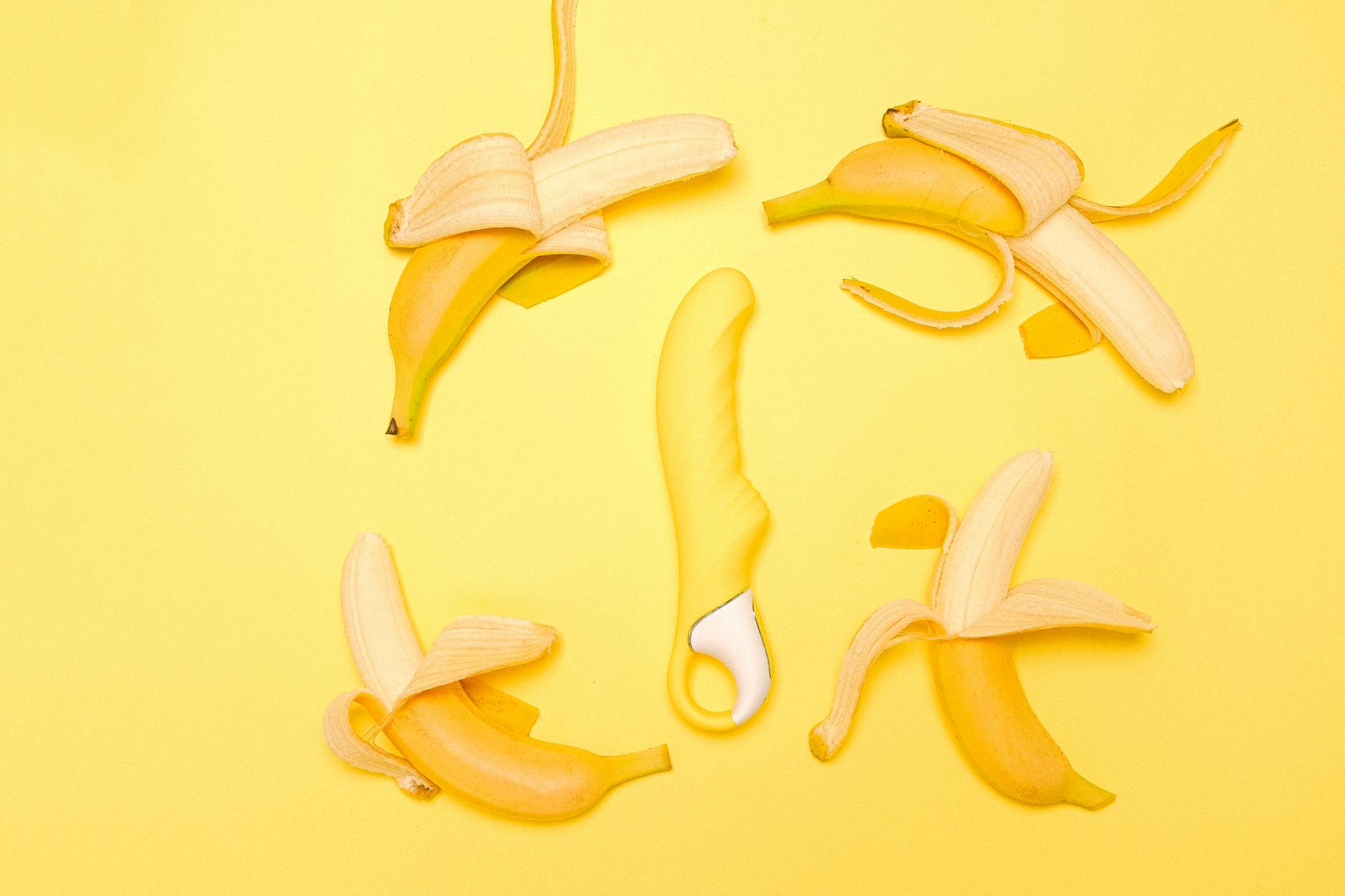
How to Use Lemon Vibrators When Dealing With Vaginal Atrophy
Let's be real: vaginal atrophy is uncomfortable to talk about and even more uncomfortable to live with. The tissue thins, lubrication drops, and suddenly the things that used to feel good feel different. But here's what matters most: your body isn't broken, and your pleasure isn't gone. It's just asking for a conversation.
Vaginal atrophy happens when estrogen levels drop, which thins the vaginal walls and reduces natural lubrication. It's common after menopause, during cancer treatment, after childbirth, or as a side effect of certain medications. If you're dealing with it, you're far from alone. Studies show up to 50% of postmenopausal people experience some degree of atrophy. The good news? Lemon vibrators, particularly air-suction clitoral vibrators like the Lem, can actually work beautifully with atrophied tissue because they use suction instead of friction.
Here's how to use them safely and pleasurably when your body has changed.
What vaginal atrophy actually changes
Tissue becomes thinner and more fragile. The vaginal walls lose elasticity and moisture. The pH shifts, making the environment more susceptible to irritation. Blood flow to the area can slow down, which sometimes means arousal takes longer and feels less intense at first.
But the clitoris itself? Unchanged. The nerve endings are still there. Your capacity for pleasure is completely intact. This distinction matters because atrophy is a physical change, not a neurological one. Your brain still wants what it wants. Your body just needs slightly different tools to get there.
Why lemon clitoral vibrators work particularly well
Air-suction vibrators like Hello Nancy's Lem operate differently from traditional vibrators. Instead of direct vibration or friction, they use gentle suction and pulse patterns to stimulate the clitoris. For people with thinned tissue, this is a major advantage because it bypasses the friction that can cause irritation or microtears.
The suction mechanism is gentler on delicate tissue while still delivering intense, focused sensation. You get powerful stimulation without the mechanical rubbing that can feel uncomfortable when atrophy is present. Think of it as the difference between a firm handshake and a secure hug. Both deliver pressure, but the distribution is completely different.
Lemon adult toys and clitoral vibrators in general are designed with this in mind. The engineering prioritizes sensation over friction, which is exactly what atrophied tissue needs.
Lubrication is not optional
With atrophy, lubrication becomes essential. But not all lubricants are created equal. Here's what works and what doesn't.
Water-based lubricants are your baseline. They're compatible with all toy materials, easy to reapply, and won't trap bacteria. Brands like Hyalo Gyn or Hylebora are specifically designed for atrophied tissue and contain hyaluronic acid, which mimics the body's natural moisture. These cost more than standard lube, but they're worth the investment if you're using toys regularly.
Silicone-based lubricants feel richer and last longer, but they can damage silicone toys. If you're using a Hello Nancy lemon vibrator (which is silicone), stick to water-based options only.
Oil-based lubricants can trap bacteria and break down condom latex, so avoid them unless you're solo and barrier-free.
Honestly? Double-lubricate. Apply water-based lube to your vulva first. Then add more to the Lem before you start. You want friction-free glide, and atrophied tissue requires more moisture than it used to.
Start slower than you think you need to
When tissue has thinned, the arousal ramp changes. What used to take five minutes might now take fifteen. This isn't failure. It's just biology.
Begin with the lowest suction setting on your lem vibrator. The Lem has multiple intensity levels, and when you're dealing with atrophy, pattern 1 or 2 is where most people start, not pattern 4. Spend longer in the warm-up phase. Let blood flow to the area gradually.
Many people report that once arousal kicks in, sensation becomes more intense. Patience in the beginning pays off. You're not settling for less pleasure. You're building toward better pleasure.
Pain is a stop sign, not a challenge
If you experience pain, burning, or persistent discomfort during or after using a lemon clitoral vibrator, that's your signal to pause. Atrophied tissue can be more prone to tearing, and you want to avoid that.
When pain shows up, see a gynecologist or menopause specialist. Genitourinary syndrome of menopause (GSM) is real, highly treatable, and not something you should tough out. Topical estrogen creams, vaginal moisturizers, or systemic hormone therapy can rebuild tissue thickness in weeks. Once you've got professional support in place, reintroduction to toys becomes much more comfortable.
How to talk to a partner about changes
If you're in a partnered relationship, atrophy is a joint conversation. Not because your partner needs permission to pleasure you (they don't), but because adapting together builds intimacy. Here's the script: "My body is responding differently to stimulation. Here's what helps. I'd love your support as we explore this together."
Partners sometimes assume atrophy means you don't want sex. It usually means the opposite. You want sex that feels good. Using a lemon vibrator during partnered play is one way to bridge the gap. Some people find that their partners using the Lem on them while they're together deepens connection and removes pressure from penetration.
The key is separating logistics from emotion. You're not broken. Your pleasure isn't diminished. The geometry of how you access it has shifted, and that's workable.
Rebuilding confidence slowly
Atrophy often arrives with a psychological component. You might feel less sexy, less capable, less worthy of pleasure. That's understandable and also not true.
Rebuilding confidence starts with small wins. Use your lemon vibrator solo first. Get reacquainted with what feels good at your own pace, without pressure to perform or produce specific outcomes. Orgasm might look different. Arousal might take longer. Both are fine. The goal is reconnection, not replication of how things used to feel.
Many people find that once they've adapted to the physical changes, pleasure deepens. You stop chasing a previous version of yourself and start exploring what actually feels good now. That pivot is where real satisfaction lives.
When to seek professional support
You don't have to navigate atrophy alone. A menopause-trained gynecologist, a pelvic floor physical therapist, or a sex therapist can all help. If pain persists despite lubrication and slower pacing, get evaluated. If atrophy is connected to hormonal changes, hormone therapy might be appropriate. If there's an emotional component, therapy helps.
Using a lemon clitoral vibrator is one tool in a larger toolkit. Professional support makes that toolkit actually work.
The small adjustments that matter
Four concrete changes that help most people with atrophy using Hello Nancy products:
First, budget more time. Fifteen to twenty minutes of foreplay or warm-up, not five. Second, keep water-based lubricant within arm's reach and reapply as needed. Third, start at the lowest intensity setting and work up only if you want to. Fourth, check in with yourself during play. How does this feel? Does anything hurt? Adjustment midstream is not failure. It's wisdom.
Vaginal atrophy is a normal part of aging and hormonal change. It's not permanent damage. It's not a sign that your sexual life is over. It's a signal that your body needs slightly different input to access the same outcomes you've always wanted. Lemon vibrators, thoughtful lubrication, and patience do the work. Your pleasure is waiting on the other side of the adjustment.
People also ask
Can you use a lemon vibrator if you have vaginal atrophy?
Yes. Air-suction clitoral vibrators like the Lem are actually particularly good for atrophied tissue because they rely on suction instead of friction. Friction can irritate or damage thin tissue, while suction distributes pressure more gently. Use plenty of water-based lubricant, start at low intensity, and take your time during arousal. If pain develops, see a doctor.
What lubricant should you use with a lemon clitoral vibrator when you have atrophy?
Water-based lubricant only, since lemon vibrators are silicone. Look for formulas designed for atrophied tissue, like those containing hyaluronic acid. Reapply as needed during play. Avoid oil-based lubes, which can trap bacteria, and silicone-based lubes, which will degrade your toy.
Does atrophy make orgasms impossible?
No. Orgasm capacity doesn't change with atrophy. The clitoris and its nerve endings remain intact. What changes is the path to orgasm. Arousal might take longer, lube becomes essential, and direct friction might feel uncomfortable. But the destination is still reachable. Many people report that once they adapt, orgasms feel just as intense as before.
How long does it take to feel comfortable using toys again after atrophy develops?
It varies. Some people adapt within a few weeks of consistent, patient use with proper lubrication. Others find that professional support (topical hormones, pelvic floor therapy) speeds the process significantly. The timeline matters less than the approach. Gentle, consistent reintroduction with zero pressure produces better results than forcing yourself.
Can atrophy get worse if you use lemon vibrators?
No, as long as you use plenty of lubricant and listen to your body. Stimulation actually increases blood flow to the area, which can support tissue health. Pain or discomfort is a signal to pause and seek professional guidance. But using a tool like the Lem thoughtfully won't damage tissue or accelerate atrophy.
Should you tell your doctor you're using a lemon vibrator if you have atrophy?
Yes, if you're experiencing pain or if atrophy is being treated medically. Your doctor can advise on timing (whether to use toys before or after applying topical hormones, for example) and can rule out complications. Most gynecologists are supportive of sexual health. If yours isn't, find one who is.
Moving forward
Vaginal atrophy changes the details of pleasure, not its reality. A lemon vibrator, the right lubricant, time, and patience are enough to rebuild what feels good. You deserve pleasure that fits your body as it is right now, not as it used to be. That's not settling. That's wisdom.
Ready to explore what works for you? Get in touch if you have questions, or check out how others are adapting pleasure after major life changes.