Let's start with the hard truth
Antidepressants work. They stop the spiral, calm the nervous system, and give you back your days. That's the win. The casualty is often pleasure. Most SSRIs (selective serotonin reuptake inhibitors) blur sexual sensation by raising your serotonin so consistently that the dopamine spikes that fuel arousal just... flatten.
It's not in your head. It's not about your relationship or your partner or your desire (which is usually still there, just muted). Your nervous system is operating at a lower baseline of stimulation, which means your clitoris is getting fewer nerve signals per touch. That's a side effect, not a personal failing.
Why antidepressants specifically dull sensation
Here's the mechanism in plain language: SSRIs work by blocking serotonin reuptake, keeping serotonin available longer in your neural synapses. That steadiness is why they work for anxiety and depression. But dopamine and serotonin are competing for the same receptors in your pleasure pathway. When serotonin is constantly high, dopamine's signal gets quieter. Orgasm requires a dopamine spike. A flatter dopamine baseline means arousal takes longer and orgasms, when they happen, feel more muted.
Second, SSRIs can reduce blood flow to genital tissue slightly, which means less engorgement and less sensitivity during touch. Your clitoris isn't broken. It's just operating on a lower electrical current.
Third, many SSRIs increase prolactin, a hormone that actively suppresses sexual interest. It's why some people on these medications report wanting sex less, feeling less turned on by things that used to work, and needing much more direct stimulation to reach orgasm.
None of this is reversible by willpower or communication or trying harder.
Why lemon clitoral vibrators help when sensation is dulled
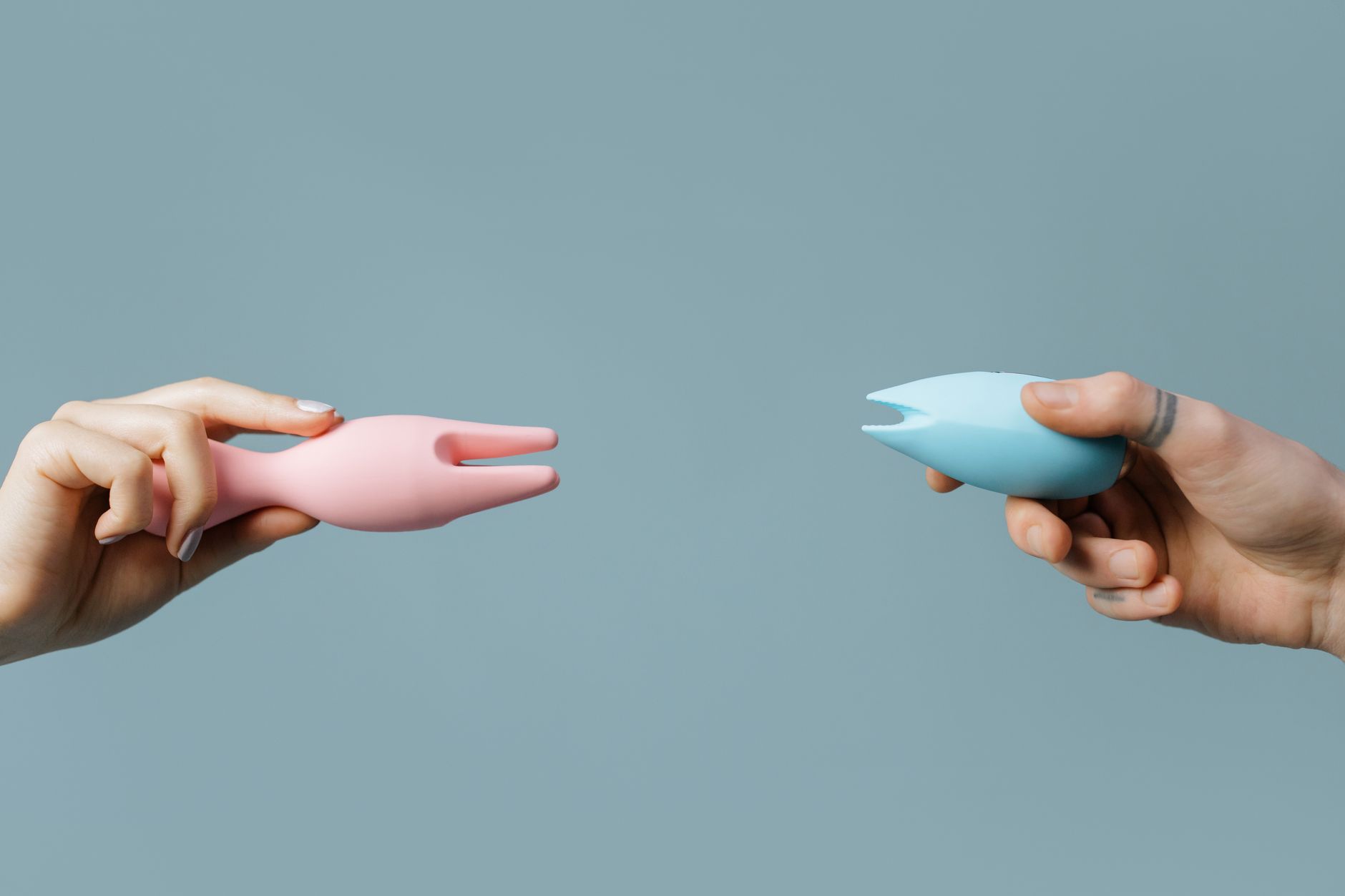
This is where it gets useful. Lemon vibrators (and suction-based clitoral toys in general) work differently than other vibrators on desensitized tissue.
Most vibrators apply oscillating pressure. That's fine on a responsive clitoris, but when your nerve sensitivity is blunted by antidepressants, oscillation alone isn't enough. You need more stimulation, more consistently applied.
Lemon clitoral vibrators use air-suction technology. Instead of vibration alone, they create a gentle vacuum seal around the clitoris. This does three things that matter:
First, suction stimulates more nerve endings at once. Your clitoris has about 8,000 nerve endings. Suction activates a larger cluster of them simultaneously, which is why it often produces sensation even when regular vibration feels like nothing.
Second, suction creates a different type of stimulation. It's pulling rather than tapping. That distinction matters because your dulled sensory pathways might respond better to a sustained pull than to rapid vibration. Think of it like the difference between a light tap on your arm (you might not feel it if you're numb) versus someone gently pulling your skin (you'll feel that).
Third, suction allows for longer, more sustained orgasms for people on SSRIs. Even when the orgasm feels quieter than pre-medication, the suction pattern often produces a longer, more plateaued sensation rather than a sharp spike and crash. Many people report that their most satisfying orgasms on antidepressants come from suction devices because they don't require the extreme sensation intensity that other toys demand.
How to adjust your approach if you're on SSRIs
Using a lemon clitoral vibrator or any suction-based toy on medication requires some deliberate tweaking.
Start with a longer warm-up. Your baseline arousal is lower, which means your clitoris won't engorge and become sensitive as quickly. Budget 20-30 minutes of foreplay, touch, or fantasy before you introduce any toy. This gives your dopamine time to build and your genital tissue time to swell.
Expect to use it longer than you think you should. Orgasm on SSRIs takes longer. If you're used to five-minute sessions pre-medication, you might be looking at 15-25 minutes now. That's not a sign anything is wrong. That's just the new timeline. Mental note: this is often when people give up too soon and assume the toy isn't working, when really they just need two more minutes.
Use the highest suction setting (but not immediately). Many lemon vibrators have multiple suction intensity levels. Start at level 1-2 while you build arousal. Once you feel engagement, move to level 3. The strongest setting isn't punishment. It's often the only setting that produces sensation when you're on a higher SSRI dose.
Add lubrication, even if you don't think you need it. SSRIs can reduce natural lubrication. Water-based lube isn't just for comfort. It helps the suction seal work more effectively. Apply it generously around the clitoral area before you start.
Combine it with other input. If you're using the lemon clitoral vibrator solo, consider pairing it with internal stimulation (fingers, a partner, or another toy), fantasy, or erotic audio. The goal is to stack stimulus types so your dulled system gets maximum input. Your brain needs the help.
When to talk to your prescriber
If the side effects are severe and not improving after adjustments, this conversation is worth having. Here's what you can tell your doctor:
Some SSRIs affect sexual function more than others. Sertraline and paroxetine tend to have higher sexual side effect rates than escitalopram or bupropion. If you're on one of the heavier-hitters, your doctor might suggest switching to something with a lower sexual impact profile.
Timing also matters. Some doctors prescribe SSRIs to be taken at night specifically so the peak medication level hits while you're sleeping, reducing daytime sexual side effects. If you're taking it in the morning, moving it to evening might help.
Your dose might be higher than it needs to be. Sometimes a small reduction restores some sensation without compromising mental health. This has to be discussed and monitored by your prescriber, but it's a legitimate conversation.
Some people layer in bupropion (which increases dopamine) alongside their SSRI. It's not a fix, but it can help restore some of the dopamine suppression. Again, this is something your doctor would prescribe.
The real framework: pleasure is possible, just different
Antidepressants didn't steal your sexuality. They changed how you experience it. That change is real, measurable, and frustrating. But it's also workable.
Lemon clitoral vibrators work for medication-dulled sensation because they approach the problem from a different angle than traditional vibrators. They don't ask your nervous system to do something it can't do right now. They work with what's actually available: more sustained, broader-based stimulation that your blunted pathways can register.
Your pleasure matters. Not as an afterthought to your mental health. As part of your whole health. If your medication is working for your mind but killing your sexuality, that's incomplete treatment. Push for solutions. Try different toys. Talk to your doctor. Adjust your technique. Your orgasms on antidepressants might look different, but they're still yours, and they're still worth having.
FAQ: Antidepressants and sensation
Do all antidepressants cause sexual side effects?
No. SSRIs and SNRIs (serotonin-norepinephrine reuptake inhibitors) cause the most sexual dysfunction. Bupropion (an NDRI) actually tends to preserve or enhance sexual function. Tricyclic antidepressants vary. If you're on an SSRI experiencing significant sexual side effects, asking about bupropion or an alternative class is reasonable. Your prescriber should take this seriously.
How long does it take for sensation to return if I stop the medication?
It varies widely. Most people notice improvement in sexual function within 1-4 weeks of discontinuing an SSRI, but full sensitivity restoration can take 2-3 months. The timeline depends on how long you were on the medication, your dose, and individual biology. Importantly: never stop an antidepressant suddenly without talking to your doctor. Withdrawal can be dangerous.
Can you use a lemon vibrator if you're on antidepressants?
Absolutely. In fact, suction-based toys like lemon clitoral vibrators often work better for people on SSRIs than traditional vibrators because they stimulate more nerve endings at once. Just adjust your expectations about timing and intensity, and give yourself the longer warm-up period your dulled system needs.
Is the numbness permanent?
No. Sexual side effects from antidepressants are reversible. If you change medications, lower your dose, or add a complementary medication, sensation typically returns. If you stay on the same medication, you often get some adaptation over time, though it's not guaranteed. The key is not accepting total numbness as the permanent cost of mental health treatment.
What if my partner's antidepressants are affecting our sex life?
This is tricky and requires both of you. First: it's not about desire or attraction. Make that clear. Second: the solution isn't their problem to fix alone. You can research toys together, adjust timing and foreplay length together, and support medication conversations with their doctor. How to Use Lemon Vibrators When Your Partner Doesn't Know You Own One offers a framework for building that conversation. Third: if antidepressants are killing your combined sex life, that's worth raising at their appointment. It's not selfish to mention.
Are there medications that can help restore sensation while staying on SSRIs?
Some doctors prescribe sildenafil (Viagra) or buspirone alongside SSRIs to help counteract sexual side effects. Buspirone specifically works on dopamine, which can help restore the arousal spark that SSRIs suppress. These have to be prescribed and monitored by your doctor, but they exist. Also, adding bupropion to an SSRI regimen sometimes helps. Have this conversation with whoever prescribes your antidepressant.